Workplace safety has never been just a box to tick. For employers, it’s both a moral responsibility and a business necessity. Even with training, signage, and safety equipment in place, accidents still happen. When they do, the way a company responds can make the difference between a manageable claim and costly legal fallout.
Slip-and-fall cases are a classic example. They might seem minor compared to large-scale accidents, but they remain one of the most common workplace injuries. Looking at how personal injury professionals handle such cases – like the team at Houston Abogado Accidentes – houstonabogadoaccidentes.com – offers lessons employers can apply in their own HR strategies. It’s less about copying legal tactics and more about understanding how documentation and communication shape outcomes.


Why Slip-and-Falls Shouldn’t Be Underestimated
At first glance, a slip on a wet floor may not sound serious. But even small accidents can spiral into major claims if handled poorly. An employee who feels dismissed or ignored is more likely to seek outside legal advice. Beyond costs, there’s the damage to workplace trust and morale.
Slip-and-falls also highlight blind spots in daily operations. A single spill, loose rug, or poor lighting can cause a chain of events that exposes liability. Recognizing these risks early helps employers stay one step ahead.
The First Step: Responding in Real Time
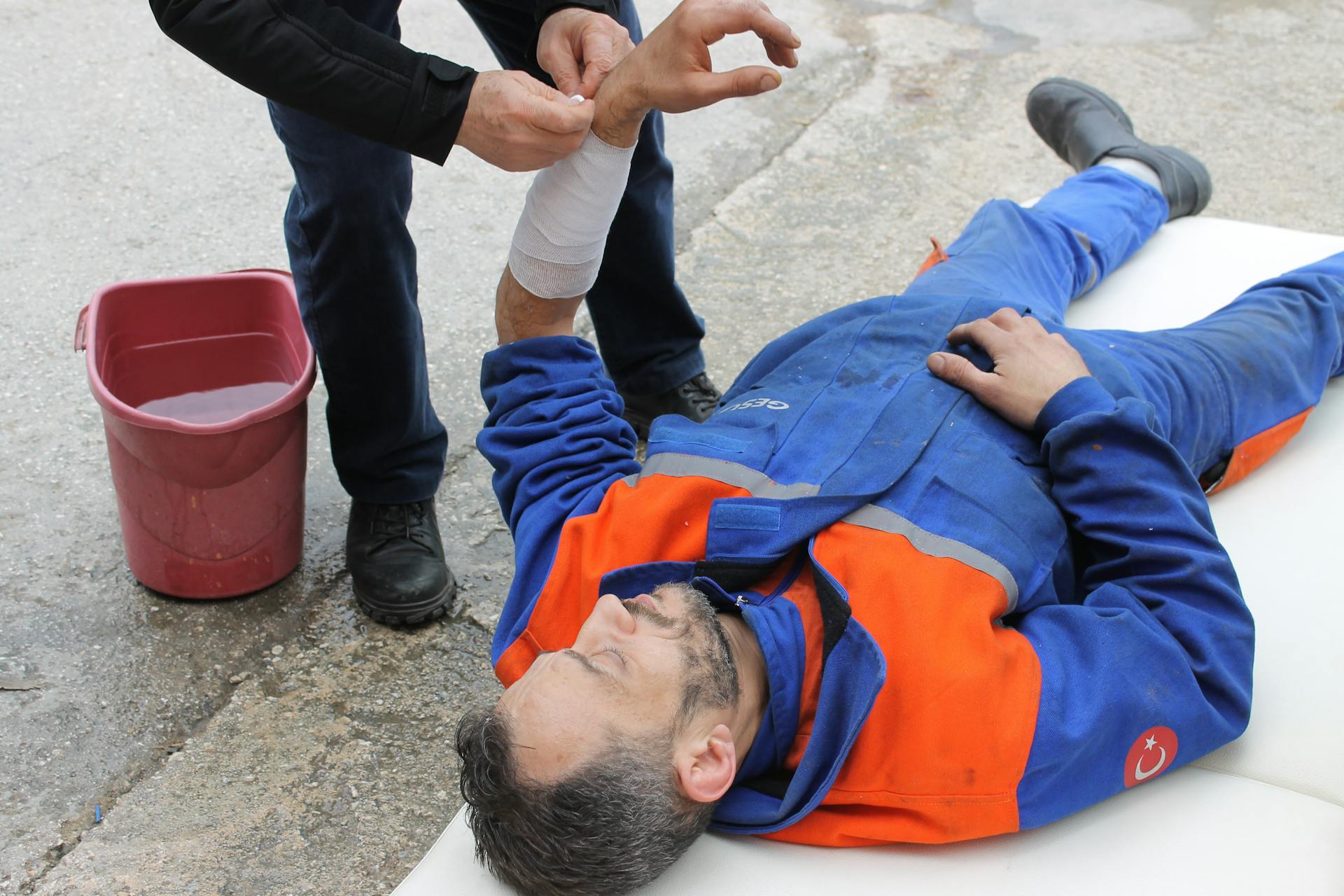
The moment an incident occurs, response matters most. Supervisors and HR should be trained to act quickly and calmly. That means checking on the injured employee, calling for medical help if necessary, and making sure the scene is safe for others.
This immediate action sets the tone. Employees see that their safety comes first, which reduces the likelihood of conflict later. Quick action also helps preserve evidence, which can be useful if a claim arises.
Documenting the Details
Documentation is one of the simplest yet most effective defenses against liability. Employers should capture details as soon as possible while memories are fresh. That includes:
- A written account from the injured employee and any witnesses
- Photos of the accident scene
- Time, date, and location of the incident
- Notes on any environmental factors like lighting or weather
Keeping these records organized shows insurers and investigators that the company takes safety seriously. It also helps identify patterns if multiple incidents occur in similar areas.
Communication That Builds Trust
After an accident, silence is one of the biggest mistakes an employer can make. Employees want to feel informed and supported. HR should follow up regularly, checking on recovery progress and updating the employee on next steps.
Clear communication with insurers is just as important. Claims adjusters rely on accurate and timely information. A delay in reporting or a vague description of events can slow down the process and raise red flags.
Learning from Legal Perspectives
While employers don’t need to act like attorneys, they can learn from how personal injury cases are handled. Lawyers often focus on building a narrative supported by evidence. Employers can borrow this mindset by ensuring they have complete records, transparent policies, and a culture of accountability.
This doesn’t mean overcomplicating daily routines. Instead, it’s about embedding simple habits—like always recording incidents and reviewing safety protocols—that prevent misunderstandings later.
Prevention Still Matters Most
The best way to minimize liability is to avoid incidents in the first place. Employers should review workspaces regularly, checking for hazards like wet floors, exposed wires, or cluttered walkways. Safety training should be practical and easy to follow.
HR teams can also encourage employees to speak up. Workers often spot risks first, but they may stay quiet if they feel reporting won’t lead to change. Creating a culture where safety concerns are welcomed helps reduce preventable accidents.
HR’s Role in Long-Term Safety
HR isn’t just about handling paperwork after the fact. It plays a central role in building policies that protect both employees and the company. That includes:
- Developing clear procedures for accident reporting
- Training supervisors on safety response
- Partnering with insurers to streamline claims
- Reviewing accident data to identify trends
By staying proactive, HR ensures that small incidents don’t turn into legal battles.

Photo by Pavel Danilyuk
Closing Thoughts
Workplace accidents like slip-and-falls remind us that liability doesn’t only come from catastrophic events. It often starts with something small that escalates due to poor handling. Employers who respond quickly, document carefully, and communicate clearly can reduce both risk and tension.
Borrowing lessons from personal injury practices helps HR teams strengthen their own systems. At the end of the day, minimizing liability isn’t just about protecting the company—it’s about fostering a safe, fair, and trustworthy environment for everyone.
Featured photo by Elif