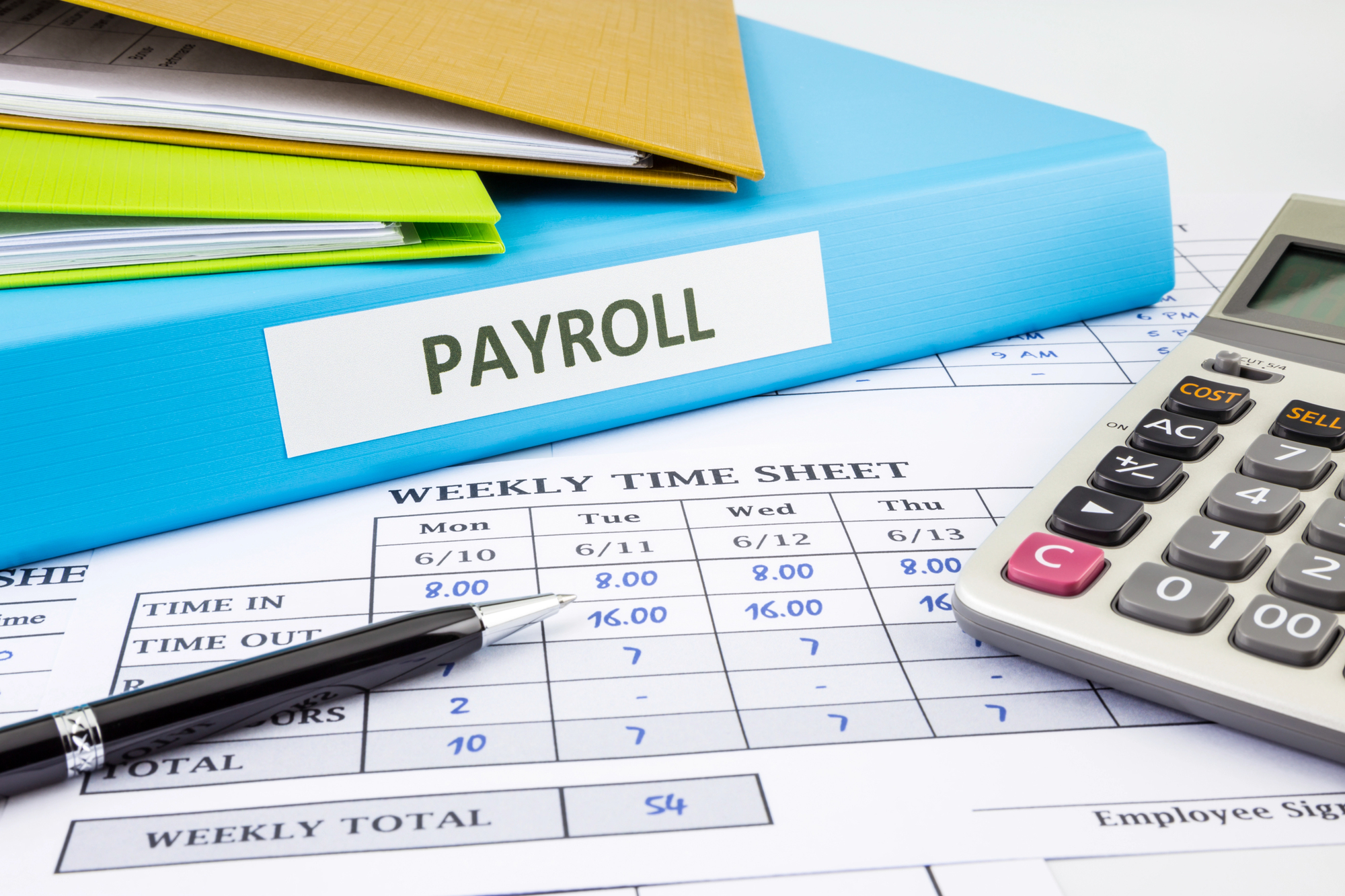
Payroll mistakes can cost time, money, and trust. Misclassifying employees, using incorrect tax rates, or mishandling overtime can lead to compliance issues and unhappy staff. You can prevent most payroll errors by using accurate data, following labor laws, and adopting reliable payroll processes.
Even small errors—like incorrect PTO accruals or missed time punches—can add up quickly. For businesses in regulated industries, such as those using cannabis payroll company solutions, mistakes can also trigger serious legal and financial consequences. Staying compliant requires consistent oversight and the right tools to manage payroll efficiently.
By identifying common problem areas and applying preventative measures, you can reduce costly errors before they happen. A proactive approach keeps payroll accurate, ensures employees are paid correctly, and protects your business from unnecessary risk.
Related Articles
-
 7 Tips to Align Payroll and HR Policies with Changing Employment…
-
The Legal Risks of Inaccurate Bookkeeping in Employment Practices
-
The Role of IT Solutions in Enhancing Compliance with Employment…
-
Best Practices for Payroll Management Across Jurisdictions
-
Top Features to Look for in a Payroll Management System
-
6 Benefits of HR RPA in Improving Operations
-
Choosing the Right HR System: From Basic Management to Strategic…
-
What Are the Common Payroll Mistakes Employers Make and How Can T…
-
Best Pay-Stub Generators of 2025: Lawyer-Reviewed Tools for Error…
-
Pay Days, Pitfalls, and Getting It Right: What Employers Must Kno…


Most Common Payroll Mistakes Employers Make
Payroll errors often result in compliance issues, financial penalties, and employee dissatisfaction. These mistakes usually stem from misclassification, inaccurate calculations, missed deadlines, and poor recordkeeping, all of which can be avoided with proper processes and attention to detail.
Misclassifying Employees and Independent Contractors
Misclassifying a worker as an independent contractor instead of an employee can lead to unpaid payroll taxes, penalties, and back pay. Employees require Form W-2 reporting, while independent contractors receive Form 1099-NEC.
You must follow IRS and Department of Labor guidelines to determine worker status. Factors include the level of control over the work, financial arrangements, and the permanence of the relationship.
Incorrect classification can trigger audits from tax authorities and result in retroactive tax liabilities. To prevent this, document your classification decisions and review them when job duties change.
Using a clear checklist or decision tool can help you consistently apply classification rules across your workforce.
Incorrect Employee Classification: Exempt vs. Non-Exempt
Confusing exempt employees with non-exempt employees under the Fair Labor Standards Act (FLSA) is another common payroll mistake. Exempt employees are not entitled to overtime pay, while non-exempt employees must receive overtime for hours worked beyond 40 in a workweek.
Misclassification can lead to unpaid overtime claims and wage disputes. The exempt status depends on job duties, salary level, and salary basis, not just job titles.
You should regularly audit job descriptions and pay structures to ensure they match classification requirements. Keep written documentation of the criteria used for each classification decision.
Training managers and HR staff on exemption rules reduces the risk of misclassification.
Missing Payroll Tax Deadlines and Tax Errors
Failing to pay payroll taxes on time or using incorrect tax rates can result in interest charges, fines, and legal action. This includes federal income tax, Social Security, Medicare, and applicable state and local income tax withholdings.
Each tax has its own due dates, and missing them can quickly become costly. You must also file required forms like Form 941 or Form 944 on schedule.
To avoid mistakes, maintain a tax calendar and automate reminders for all filing and payment deadlines. Double-check tax rates annually, as they can change.
Using payroll software with automatic tax updates can help ensure accuracy and timeliness.
Inaccurate Overtime Pay and Wage Calculations
Incorrectly calculating overtime pay is a frequent payroll error, especially when employees work irregular schedules or earn bonuses. Non-exempt employees must receive at least 1.5 times their regular rate for overtime hours.
Errors often occur when employers exclude certain earnings, like shift differentials or nondiscretionary bonuses, from the regular rate calculation. This can lead to underpayment and compliance violations.
You should review wage calculations regularly and ensure payroll staff understand FLSA overtime rules. Keep clear records of hours worked, including break times and off-the-clock work.
Automated time-tracking systems can reduce manual errors and improve accuracy.
Failure to Maintain Accurate Payroll Records
Incomplete or inaccurate payroll records can cause compliance issues during audits and make it harder to resolve disputes. Required records often include time sheets, pay rates, tax withholdings, and proof of wage payments.
Federal law generally requires employers to keep payroll records for at least three years, but some states have longer retention periods.
You should store records securely, both digitally and physically, and ensure they are organized for quick access. Regular audits of payroll data help identify discrepancies early.
Using a centralized payroll system can make recordkeeping more consistent and reduce the risk of missing information.
How Employers Can Prevent Payroll Errors
You can reduce payroll mistakes by using accurate tools, maintaining consistent processes, and verifying data regularly. Clear systems for tracking hours, scheduling payments, and managing compliance help you avoid delays, miscalculations, and penalties.
Implementing Reliable Payroll Software
Choose payroll software that integrates with your time-tracking system and HR records. This reduces manual entry and minimizes the risk of errors from mismatched data.
Look for features such as automatic tax updates, compliance alerts, and built-in reporting tools. These functions help you keep up with changing regulations and quickly identify discrepancies.
Ensure the software supports multiple pay schedules and payment methods. This is especially useful if you have both hourly and salaried staff or remote employees in different states.
Provide training for staff who use the system. Even the best software cannot prevent mistakes if users do not understand its functions.
Automating Payroll Processing and Scheduling
Automation reduces repetitive manual tasks that often lead to mistakes. You can set up recurring payroll runs based on a payroll calendar to ensure payments go out on time.
Automated systems can calculate wages, deductions, and benefits consistently. This helps avoid underpayments, overpayments, and late filings.
Use automated alerts to remind you of upcoming deadlines for tax submissions or benefits reporting. This keeps your payroll process aligned with compliance requirements.
Pair automation with clear rules for handling exceptions, such as overtime approvals or bonus payments, so that the system processes them correctly.
Regularly Auditing Payroll Records and Data
Schedule periodic payroll audits to confirm that employee information, timesheets, and payment records match. This helps detect errors before they cause compliance issues or employee dissatisfaction.
During audits, review tax withholdings, benefit deductions, and overtime calculations. Compare payroll reports against timesheet data to ensure accuracy.
Keep detailed records of audit findings and corrective actions. This documentation can be useful during external inspections or in the event of disputes.
Consider using audit checklists to ensure every aspect of the payroll process is reviewed consistently.
Outsourcing Payroll to Experts
If payroll processing is complex or time-consuming, consider payroll outsourcing to a qualified provider. This can reduce your administrative workload and improve accuracy.
Payroll providers use specialized software and stay updated on tax laws and reporting requirements. They can also handle filings, direct deposits, and year-end forms.
When selecting a provider, check their experience with businesses of your size and industry. Request references and review their data security measures.
Maintain oversight by reviewing reports and reconciliations from your provider. Outsourcing does not remove your responsibility for compliance, so you should still verify accuracy regularly.
Conclusion
You can reduce payroll errors by focusing on accurate data entry, correct employee classification, and timely updates to records. Small mistakes in these areas can lead to compliance issues and financial loss.
Regular audits help you identify problems before they escalate. Use reliable payroll software and maintain clear documentation to support accuracy.
Training your payroll team ensures they understand current regulations and company policies. When you combine technology with consistent oversight, you create a process that is both efficient and compliant.