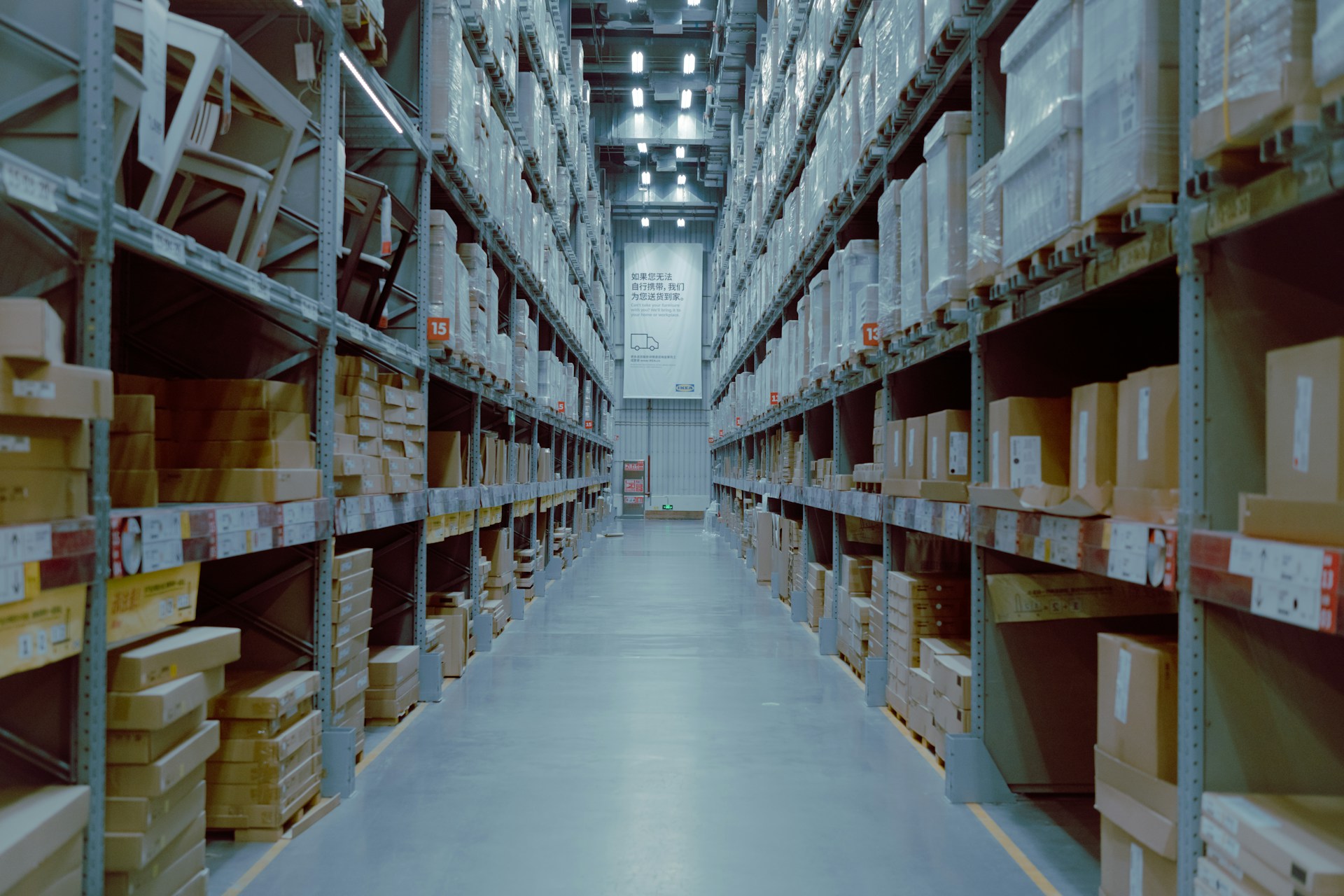
Want to provide your warehouse employees with a safe working environment?
Picture this: It’s a typical day in your warehouse. Employees are bustling about, lifting heavy boxes, operating machinery, and working tirelessly to meet tight deadlines. But did you know that despite all your hard work, the industry is riddled with injuries that can set your operations back in ways you never imagined?
In fact, warehouse injuries alone cost an estimated $84.04 million per week in the US and that number can rise quickly without proper, proactive safety measures.
Sounds a little dramatic? It’s not.
The facts are the facts and the reality of warehousing is that most warehouse managers only take action after something bad happens. But the most successful warehouse managers know that the best way to protect your employees is to be three steps ahead of the game and put safety measures in place that prevent injuries from happening in the first place.
- Why Warehouse Safety Should Be Your Top Priority
- The Real Cost of Warehouse Injuries
- The Most Common Warehouse Hazards (And How To Stop Them)
- Proactive Safety Equipment That Actually Works
- Creating a Safety Culture That Sticks
- Training Programs That Prevent Injuries
- The Bottom Line on Warehouse Safety
- Wrapping It All Together
Related Articles
-
 What to Do If Your Employer Ignores Workplace Safety Standards
-
When Safety Isn’t Enough – How Negligence and Legal Loophol…
-
Why Understanding Employment Law Is Essential for Employees
-
How to Prove Workplace Asbestos Exposure in Mesothelioma Cases
-
Reducing Workplace Injuries in Warehousing Through Proactive Meas…
-
Why You Need an Employment Law Attorney for Workplace Safety Issu…


Why Warehouse Safety Should Be Your Top Priority
Let’s get one thing straight.
Warehouse work is dangerous. Like, way more dangerous than other jobs in the US. We’re talking injury rates that are almost double the national average.
And when we’re talking numbers, we’re not exaggerating. According to recent data, warehouse workers are experiencing 4.8 injuries per 100 full-time workers while the industry average is just 2.4 per 100 workers.
Pause and think about that for a second.
The work that your warehouse employees are doing is putting them at a significantly higher risk of getting hurt than just about any other job. And this is obviously a big problem for the well-being of your employees, but it’s also a huge problem for the bottom line of your business.
The Real Cost of Warehouse Injuries
A workplace injury is more than just the human cost to the employees affected and their families. The business feels the sting of those injuries in many ways, too:
- Direct costs: Includes medical bills, workers’ compensation claims, and lost productivity due to the injured employee being out of work.
- Indirect costs: Replacement staff must be trained, equipment may be damaged, and you may have to pay more for insurance in the future.
- Hidden costs: Lower morale, reduced efficiency, and potential fines or violations from safety agencies like OSHA.
When you consider that the average cost per medically consulted injury is $41,000, you start to see prevention in a whole new light. Saving a single employee from injury isn’t just the right thing to do – it’s a smart business decision.
The Most Common Warehouse Hazards (And How To Stop Them)
Here’s the thing…
The majority of warehouse accidents and injuries aren’t freak accidents. They’re totally predictable and avoidable if you know where to look.
That’s why we’re going to break down the biggest warehouse hazards and how you can stop them dead in their tracks:
Manual Lifting Injuries
This is the big one. A huge portion of warehouse injuries are back strains, muscle pulls, and spinal injuries that happen when your employees have to lift something too heavy for them.
The solution?
Training and proper lifting protocols are part of it, but the real game-changer is the right equipment. When employees need to move heavy materials between levels, equipment like vertical material lifts can take the burden off your employees completely. Check out www.kabtechusa.com/industrial-warehouse-products/vertical-material-lifts to see how these systems can create a safe working environment for your warehouse employees by reducing physical strain and eliminating the risk of lifting-related injuries.
Forklift Accidents
Forklift accidents can be catastrophic but also totally preventable. Did you know that OSHA estimates that if the right safety measures are in place, approximately 70% of forklift accidents can be avoided?
The key prevention strategies are:
- Operator training and certification are not optional
- Equipment maintenance and inspection should be ongoing
- Traffic patterns and speed limits must be clear and enforced
- Warehouse visibility and lighting must be optimized
Falls and Trips
Cluttered walkways, poor lighting, and unstable storage units create tripping hazards and falls. The fix? Strict housekeeping protocols and better warehouse design. In addition to just clearing the aisles, addressing the durability of the floors and walls can be an important component of a long-term safety strategy. Installing a protective chequer plate lining in high impact zones or on slippery ramps provides a rugged, slip resistant surface that helps workers maintain their footing even in fast-paced environments. This textured shielding also prevents the structural wear and tear that can lead to uneven flooring and further trip risks over time.
Falling Objects
Improper storage and overloaded shelves are like accidents waiting to happen. Regular rack inspections and proper stacking techniques are a must.
Proactive Safety Equipment That Actually Works
Here’s a secret that warehouses with low injury rates know, and warehouses with high rates don’t:
Safety equipment is an investment, not an expense. Proactive warehouses spend money on safety equipment BEFORE they need it, and here’s why it makes the biggest impact:
Personal Protective Equipment (PPE)
- Steel-toed safety boots
- High-visibility clothing
- Safety glasses
- Grip gloves
Material Handling Solutions
The right equipment can eliminate a lot of injury causes:
- Mechanical lifting aids
- Proper storage systems
- Ergonomic workstations
- Anti-slip floor surfaces
Safety Systems and Technology
Warehouses are getting smarter about safety with technology:
- Proximity sensors to avoid collisions
- Automatic emergency stop systems
- Load monitoring to prevent overloading
- Environmental monitoring for hazardous conditions
Creating a Safety Culture That Sticks
Here’s what most managers get wrong about safety culture:
They think it’s about rules and regulations. The most successful safety programs are based on culture, not compliance.
One practical step many high-performing warehouses take is to make safety measurable: routinely monitoring vehicle and load weights gives managers objective data to spot risky practices and prevent overloading before it becomes an incident, so employees can remain safe.
Accurate weighing—whether onboard vehicle scales, weigh pads or site weighbridges—helps validate safe load limits and supports incident investigations and audits. For real-world guidance on solutions, calibration and on-site support from a specialist, take a look at Phoenix Vehicle Weighing. Built-in weighing checks make safety conversations fact-based and help reinforce the behaviours you want to see every shift.
Additionally, here are some more ways to build a safe culture in the warehouse.
Start With Leadership Commitment
Warehouse managers must be the first to commit to safety. If they’re seen cutting corners to meet deadlines or ignoring safety practices themselves, employees will too.
Make Safety Everyone’s Responsibility
Systems where:
- Employees can report hazards without fear of retaliation
- Safety suggestions are encouraged and implemented
- Near-misses are investigated and learned from
- Safe behaviors are recognized and rewarded
Regular Communication
Safety meetings at the start of each shift to focus on specific hazards for that day’s work and reinforce safety practices.
Training Programs That Prevent Injuries
The sad truth is that most warehouse injuries are entirely preventable and 9 times out of 10, they happen because employees don’t know better. They’re using techniques and shortcuts they picked up on the job from other employees who also don’t know better.
Stop the cycle with comprehensive training:
New Employee Orientation
Extensive safety training for every new hire before they start, including:
- Proper lifting techniques and body mechanics
- Equipment operation and safety procedures
- Hazard recognition and reporting
- Emergency procedures and evacuation routes
Ongoing Education
Safety training isn’t a one-time thing. Regular refreshers keep it top of mind and introduce new procedures as your operation grows and changes.
Hands-On Practice
Don’t just tell employees how to be safe, show them. Hands-on training sessions where employees practice proper techniques are far more effective than lectures.
The Bottom Line on Warehouse Safety
Warehouse safety isn’t just a nice-to-have, it’s a business imperative. The reality is that injury rates in the warehousing industry are significantly higher than other sectors and the costs per incident can run into the tens of thousands.
Warehouses that understand the importance of safety and invest in the right equipment and systems, training, and safety cultures see the benefits in terms of lower injury rates, improved employee morale, and greater efficiency. The cost of not prioritizing safety is just too high for any business to ignore.
Wrapping It All Together
Reducing workplace injuries in warehousing isn’t a matter of luck or hoping for the best. It’s about taking systematic, proactive measures that tackle the root causes of accidents head-on.
From providing your team with the right lifting equipment and PPE to implementing comprehensive training programs and cultivating a culture where safety is a core value, the tools to create a safer warehouse are out there. The question isn’t about whether you can afford to do all of these things.
It’s about whether you can afford not to.
Start with the basics, invest in the right equipment, and build a safety culture that’s more than just a priority – it’s the foundation of how you run your warehouse.
Featured Photo by Lance Chang on Unsplash