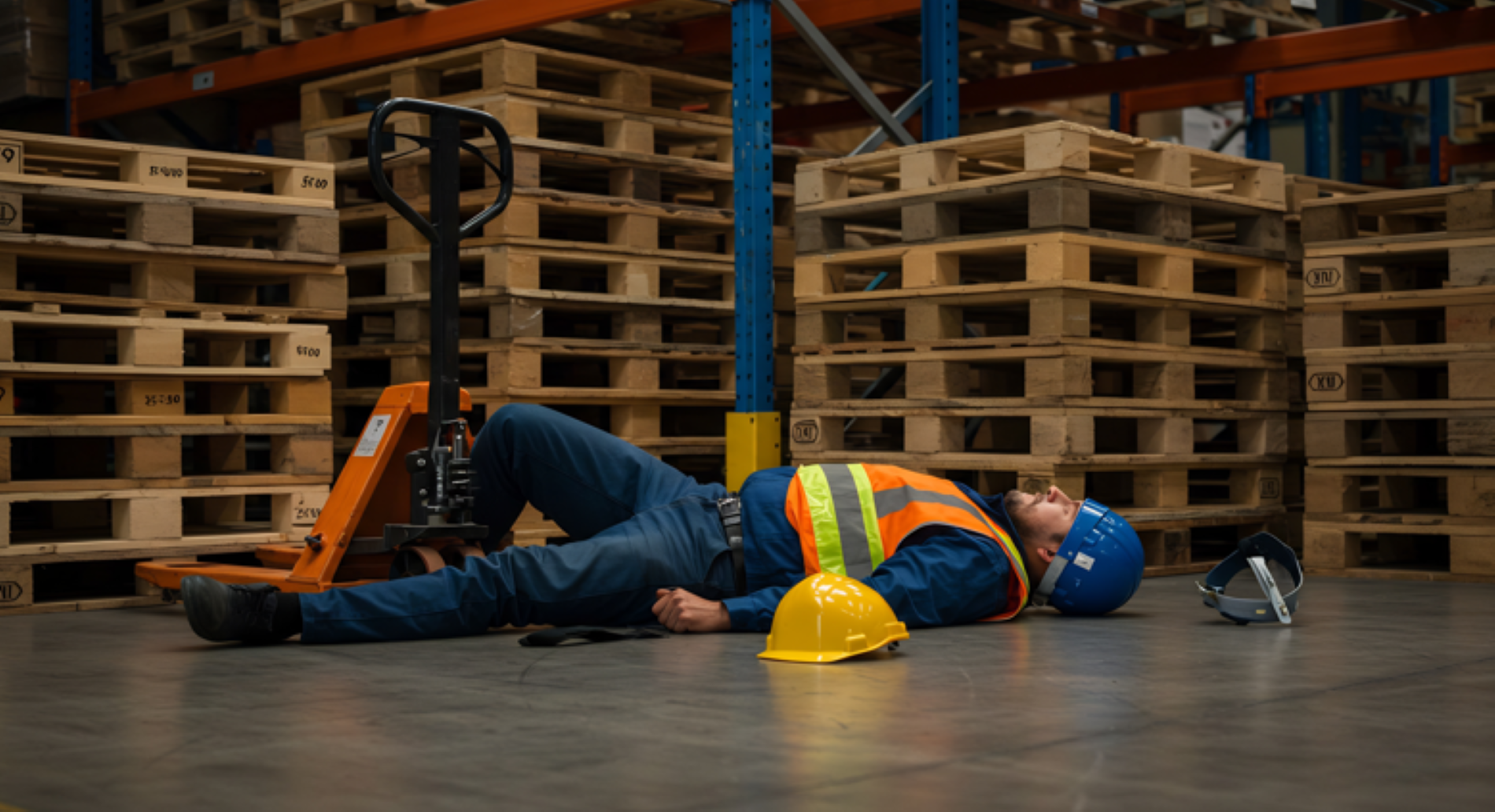
Slips and falls are a major safety concern in every workplace setting. They cause injuries, lost productivity, medical costs, and legal claims. These incidents affect employees in factories, construction sites, kitchens, and even office spaces.
According to OSHA, slips, trips, and falls remain among the top causes of workplace injuries. Many of these accidents happen because of poor surface conditions, inadequate lighting, or cluttered walkways. Most of them are preventable with the right safety measures and proper planning.
You can reduce these risks by following OSHA guidelines and applying proven safety practices. This article provides simple steps to help you meet OSHA standards. By understanding and implementing these rules, you can create a safer workplace for everyone.


Identify Common Slip and Fall Hazards
Slips and falls often result from surface problems that employers overlook. Wet or oily floors cause many incidents. These can come from spills, leaks, or cleaning without proper signage. Workers who walk through such areas face a high risk of injury. In serious cases, injured workers may seek legal support for accident victims in Utah, especially when employers fail to act responsibly.
Uneven flooring is another hazard. Cracked tiles, loose mats, or curled rugs create tripping points. These are especially dangerous in high-traffic zones like entrances or corridors.
Poor lighting increases risk, especially on stairs or in storage areas. When workers can’t see clearly, they’re more likely to misstep.
Outdoor hazards matter too. Rain, snow, or ice buildup in parking lots or walkways leads to preventable falls.
Cluttered work areas block safe paths. Cords, boxes, or tools left out create avoidable danger. Ignoring these risks not only increases injuries but also the chances of costly legal claims.
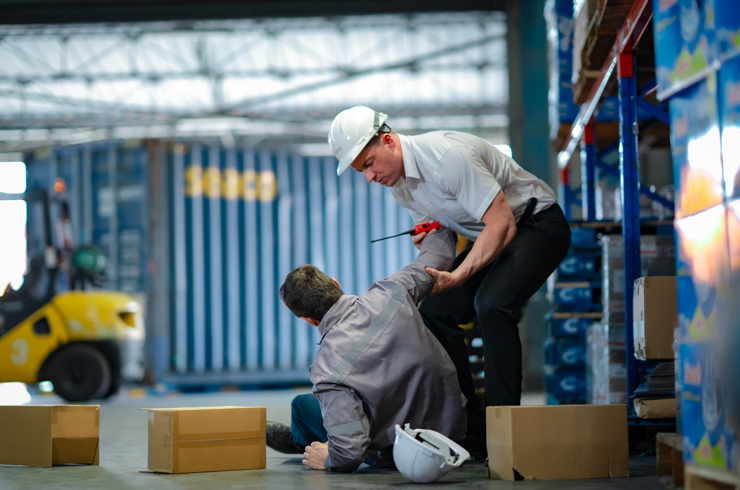
Understand OSHA’s Requirements for Walking-Working Surfaces
OSHA’s standard 29 CFR 1910 Subpart D outlines rules for walking-working surfaces. This regulation applies to all general industry workplaces. It covers floors, stairs, ladders, and platforms used by employees.
Employers must keep these surfaces clean, dry, and in good condition. They must remove hazards like spills or clutter without delay. Regular inspections help identify issues before accidents occur.
Floor loading limits must be known and never exceeded. OSHA requires employers to mark these limits clearly. Surfaces must support the intended weight, including workers and equipment.
Fall protection is also required. Guardrails, handrails, and toe boards reduce fall risks. Elevated areas need added safety measures like harness systems or barriers.
Implement a Written Slip, Trip, and Fall Prevention Program
A written prevention program helps reduce slips, trips, and falls. A formal policy shows your commitment to workplace safety. It also sets clear expectations for everyone.
Your program should list common hazards and how to avoid them. Include rules for reporting risks and responding to incidents. Add steps for regular inspections and cleanup routines.
The plan must be part of your company’s safety manual. This ensures that all staff can access and follow the guidelines. Safety leaders must review the manual regularly and update it as needed.
Training is key to success. Employees must understand the rules and why they matter. Offer regular sessions, handouts, and real-world examples to support learning.
Maintain Floors and Surfaces Regularly
Safe floors reduce injuries and support daily operations. Regular inspections help find and fix hazards early. Schedule checks based on your facility’s size and traffic levels.
Clean floors often and act fast when spills happen. Use proper cleaning tools and solutions. Mark freshly cleaned areas with warning signs.
Choose flooring that reduces slip risks. Install non-slip tiles or apply anti-slip coatings. In wet areas, use textured mats or grip surfaces.
Use signs and barriers to alert workers to danger zones. Block off sections during cleaning, repairs, or when floors are wet. Make sure signs are clear, visible, and easy to understand.
These actions keep floors safe and support OSHA compliance.
Improve Lighting and Visibility
Good lighting helps prevent slips and falls. A lighting audit helps find dark or poorly lit areas. Check hallways, stairwells, entry points, and storage rooms.
Install bright, even lighting in places where workplace accidents may occur. Use overhead fixtures in walkways and corners. Choose lights that reduce glare and shadow.
Motion-sensor lights work well in stairs and less-used spaces. They turn on automatically when someone walks by. This improves visibility without wasting energy.
Keep lights clean and replace bulbs often. Dirty or broken fixtures reduce brightness. Regular checks help keep lighting effective and safe.
Improved visibility helps workers see obstacles, wet spots, and other hazards clearly.
Equip Employees With the Right Footwear
Footwear plays a key role in preventing slips and falls. OSHA recommends using slip-resistant shoes in risky environments. These include kitchens, factories, warehouses, and outdoor workspaces.
Footwear must match the work conditions. Wet floors need rubber soles with deep treads. Uneven ground needs shoes with ankle support and firm grip.
Employers must enforce footwear rules. This includes checking that staff wear the correct shoes. Offer clear policies on footwear requirements during onboarding.
Remind employees to replace worn-out shoes on time. Provide guidance on what to buy. Some workplaces offer shoe allowances to support compliance.
Proper footwear reduces risk and supports a culture of safety.
Conclusion
Slips and falls often result from issues that employers can prevent. If your current safety plan reacts only after an incident, it’s time for change. A proactive approach saves time, money, and most importantly, lives.
Review your policies and daily practices. Ensure that hazard reporting, training, and maintenance are part of your routine. Every slip avoided is proof that your strategy works. Employees feel safer, and your liability risks decrease.