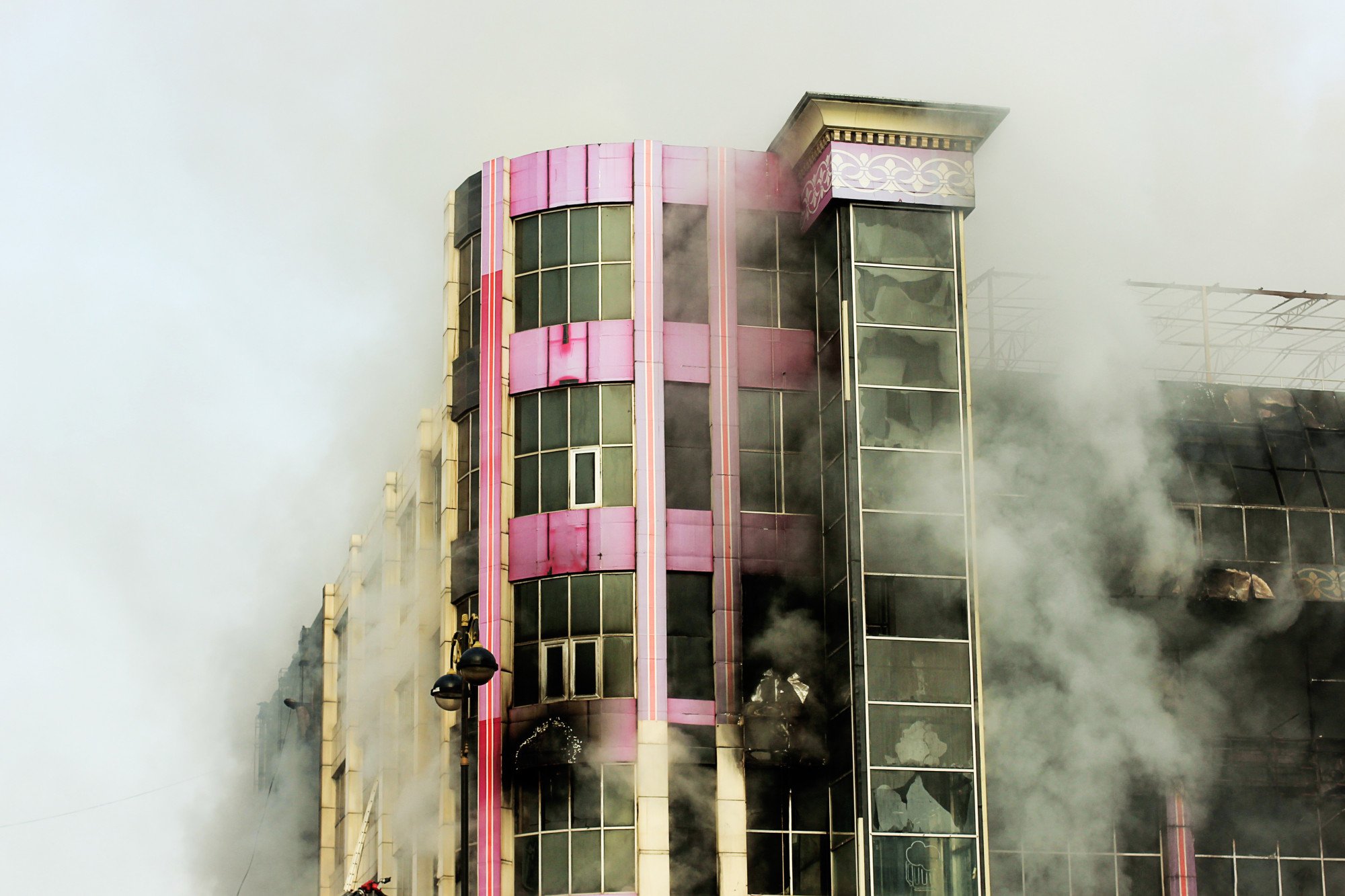
When a disaster like a fire, toxic spill, or violent act hits the workplace, HR professionals have to act fast. These events cause significant business disruption and even trigger intricate legal requirements under OSHA, FMLA, and workers’ compensation laws, resulting in fines and legal judgments. It’s vital for HR leaders to act quickly to prevent loss of life, sustain trust, and ensure quick recovery. Here are five things that HR professionals should do immediately following a disaster.
Related Articles
-
 Update: Will the DOL’s new exempt employee rules be delayed…
-
New Overtime Law Changes and HR Guidance in April 2024
-
Mental Health in the Workplace: Legal Obligations and Best Practi…
-
Handling of Final Pay Checks and Unpaid Compensation Upon Death o…
-
What the Law Says About Personal Internet Usage at Work


Respond to a Workplace Fire
If there’s a fire incident at work, HR leaders should initiate the emergency plan and evacuate everyone to the designated meeting spot. This is required under OSHA, which is why employers must have a plan for evacuating, conducting a headcount, and ensuring that no one returns to the building until the fire department has cleared everything. Not following these guidelines could result in fines and lawsuits against the organization.
HR must take these steps because they help contain the risks associated with building collapse and smoke. This also allows them to move swiftly to assessment and first aid administration. At the same time, it’s vital for HR leaders to be meticulous about every detail, from the injuries down to how serious the damage is. This plays a role in preventing financial issues when the company files insurance claims.
In places prone to fires, such as areas affected by wildfires where embers can cause fires even at great distances from the main blaze, HR can inform employees about external resources, such as the Fire Help Center, which helps them learn how to file claims for injuries or damages from these incidents. These resources can also help HR find legal assistance if the company ends up dealing with violations and fines.
Manage a Chemical Spill Incident
After a chemical spill, HR leaders must seal off the area, distribute PPE, such as respirators and gloves, and ensure affected employees receive proper medical attention. This is to ensure OSHA compliance in terms of hazard identification and training to avoid the effects of toxic inhalation and skin contact. Prompt action is essential to avoid underlying health issues, such as breathing problems that may lead to workers’ compensation claims and even result in heavy fines or enforcement by OSHA.
HR leaders need to make quick decisions in these situations or the contamination may get out of control. They also have to ensure that there’s a safe re-occupancy decision that OSHA looks at later, but the employer gets the first say in the decision. Also, taking these steps early helps:
- Reduce future health costs through early intervention
- Boost employee morale
- Provide a layer of protection in case of a lawsuit
Quick action not only helps prevent the situation from getting worse but also enhances the safety culture to prevent situations like this from happening in the future.
Handle An Active Shooter Event
Following an active shooter attack, it’s important for HR leaders to take charge immediately. They should:
- Lock down the location
- Call 911
- Run trauma-informed debriefings
- Activate Employee Assistance Programs
These actions aren’t simply good practice, but are also required under OSHA’s general duty clause. This means that employers must address known violence hazards through emergency action plans, including training on improvised self-defense, and provide mental health services after an attack to prevent further harm and retaliation claims.
Being proactive helps create a safe and accountable situation where HR can monitor everyone, take notes on witness statements, and assist authorities without interfering with the investigation. The benefits of all this can be seen in:
- Reduced turnover rates from unaddressed trauma
- Compliance with anti-retaliation regulations that protect people reporting things
- Increased resilience through after-action reviews that can be applied to prevention training
By taking these measures, HR leaders can turn a tragedy into an opportunity for proactive security that protects both people and the company’s reputation.
React to a Natural Disaster Like an Earthquake
When an earthquake strikes and shakes everything up at the workplace, HR leaders should control their nerves. They should quickly check for any structural hazards and evacuate if needed.
HR leaders should also follow OSHA’s re-occupancy guidelines that require employers to obtain safety certification from qualified engineers before re-occupying the building. There are also FMLA expansions for disaster-related conditions that are considered serious health issues. It’s equally important for HR leaders to be flexible with leave policies for serious health issues related to injuries or aftershocks.
These steps help mitigate risks and keep the business running, with employee safety as the top priority. This truly helps with faster recovery and getting critical stuff back up and running while letting stakeholders know what’s going on. Flexible scheduling and compassionate policies keep people on board during personal seismic events, fostering loyalty and preventing wrongful denials. This proactive approach also puts the organization in a better place to deal with legal risks that will inevitably arise.
Address a Flooding Emergency
If a flooding situation arises in the workplace, HR leaders should be ready to take some quick calls. They should:
- Disconnect utilities
- Give out emergency kits
- Grant extended leave or telecommuting options
At the same time, they have to keep an eye out for health hazards from mold, as dictated by OSHA cleanup standards. All of this is based on federal standards for developing crisis communications plans and access to EAPs, ensuring employees who have to contend with infrastructure disarray get support without affecting payroll.
The goal should be to take steps that keep the place and people safe. To handle it all effectively, HR leaders should keep tabs on people via updated contact info and provide mental health referrals. The benefits of this include:
- Maintaining a constant rate of productivity with flexible arrangements
- Avoiding fines for paying employees late during terminations
- Improving community trust with regular updates on the recovery process
These strategies help settle things faster and create more loyal employees, as HR leaders show they aren’t just trying to be compliant but are actually concerned about the people at work. And of course, this also helps strengthen the employer’s position as a solid anchor in a crisis.
Endnote
HR professionals play a vital role when disaster strikes the workplace. Not only do these professionals have to ensure compliance with OSHA and FMLA regulations by taking decisive actions, but they also have to protect the organization from legal liabilities. This forward-thinking approach to disaster preparedness helps prioritize employee welfare and ensures the organization emerges stronger after the event.
Featured image by Freepik