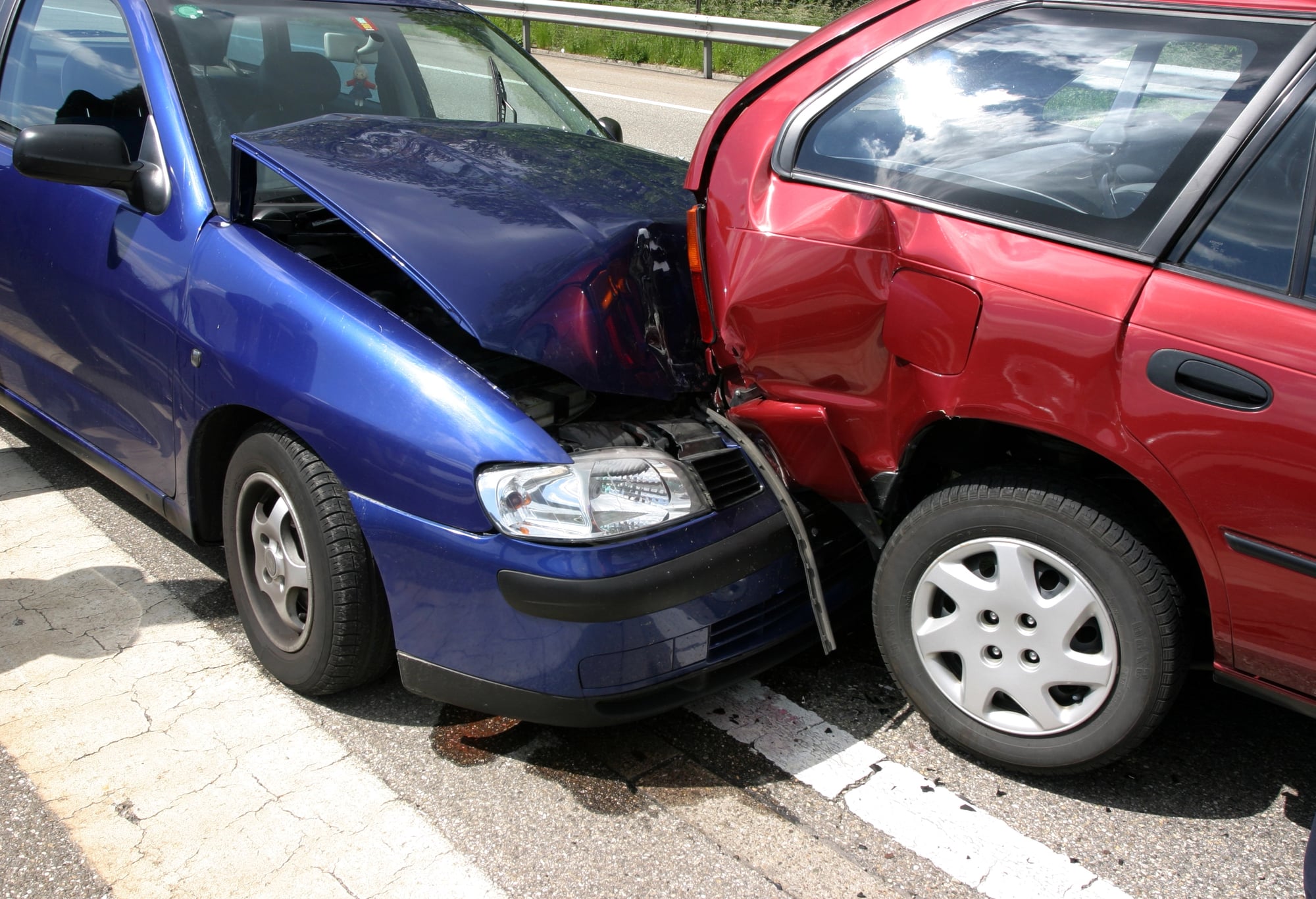
Fort Lauderdale’s vibrant streets, lined with palm trees and busy intersections, see thousands of drivers each day — locals commuting to work, tourists exploring the beaches, and delivery trucks navigating downtown. With so much activity, traffic incidents are, unfortunately, part of life in this coastal city. When a collision occurs, what happens next can make a significant difference in protecting your safety, finances, and legal rights.
Florida law outlines specific steps drivers must take to properly report accidents, and missing one could complicate insurance claims or future proceedings. Yet, in the shock of the moment, many people are unsure of what to do or who to contact first. That’s why understanding the correct reporting procedures before an accident happens is invaluable. A car accident lawyer in Fort Lauderdale can explain your responsibilities under state law, guide you through reporting requirements, and ensure every detail is handled correctly to safeguard your interests.
- Ensure Safety First
- Gather Essential Information
- Document the Scene
- Speak With Witnesses
- Contact Local Authorities
- Remain Calm and Polite
- Notify Insurance Providers Promptly
- Follow Up on Police Reports
- Seek Medical Attention
- Keep Records Organized
- Understand Legal Obligations
- Consult With Professionals if Needed
- Conclusion
Related Articles
-
 How Can a Car Accident Affect Your Job?
-
Understanding the Legal Rights and Options for Victims of 10 Whee…
-
Exploring the Role of Fatigue Monitoring in Preventing Car Accide…
-
How Company Car Accidents Affect Insurance Coverage: What Employe…
-
Reason Why You Must Hire an Auto Accident Lawyer
-
What Happens If I Lose My Job Because of a Car Accident?
-
Determining Fault in a Multi-Vehicle Highway Accident
-
Navigating Legal Outcomes After Work-Related Car Accidents


Ensure Safety First
Put safety first before thinking about paperwork and filing. If vehicles can be safely moved out of traffic, do so and turn on hazard lights. Look for injuries, and call for emergency services if anyone looks injured or in shock. Ensuring safety minimizes the chances of any additional injury at the scene.
Gather Essential Information
Collecting accurate details is crucial. The drivers should swap details such as name, address, and contact numbers. Make note of vehicle details such as numbers, models, colors, and license plate numbers. Ask for insurance information from all the other drivers. Following these steps will ensure that you have everything documented for use at a later stage.
Document the Scene
It helps us remember and gives us a clear shot of the scene. Get wide shots showing the placement of vehicles and close-ups of any observed damage. Add street signs, traffic signals, and any skid marks; all of these things are helpful to show what occurred.
Speak With Witnesses
Ask for witnesses’ accounts if there were bystanders who saw the crash. Get names and numbers in case they need to make further statements. Neutral witnesses usually share unbiased details of the accident, and they usually corroborate with the official report and the insurance report.
Contact Local Authorities
In many cases, if you are involved in a crash, it is important to report the incident to the police. Police arrive, investigate, and write a report. This documentation is also an essential reference point for insurance claims and any future litigation. You should cooperate in all instances and answer all questions clearly.
Remain Calm and Polite
After a crash, people may feel strong emotions. Maintain a calm voice and treat others with dignity to avoid arguments. Do not apportion blame or take responsibility for the crash at the scene. Let the authorities and insurance work out liability based on the facts.
Notify Insurance Providers Promptly
It is important to notify insurance companies promptly. Share any information that has been gathered and be truthful in response to any questions. Notifying early accelerates the claims process and ensures resolution is achieved quickly. This ensures that all interests are given proper gravity.
Follow Up on Police Reports
When the police report is ready, ask for a copy of it. Verify it for correctness and report errors, if any, to the authorities. A witness provides a written account of the incident, and is considered an important aspect of the documentation process.
Seek Medical Attention
It’s a good idea to visit a medical professional even for seemingly minor injuries. Some injuries may not become apparent for hours or days later. Medical records are also valuable in case further action is needed.
Keep Records Organized
Keep records of everything pertaining to the accident. Keep photographs, witness statements, medical records, and any communication with insurance companies in a secure location. These documents will be referred to for understanding the event and for the protection of the rights of all persons involved.
Understand Legal Obligations
There are different requirements for reporting an accident in each region. Some require notification by a certain time, in particular situations. To make sure that you stay compliant and avoid unnecessary fines, familiarize yourself with these local rules.
Consult With Professionals if Needed
When questions or conflicts arise, consulting legal or insurance professionals provides clarity on what your next steps should be. They can help guide you through any obstacles that arise in the process.
Conclusion
Accurate car accident reporting can be broken down into several steps. Prioritizing safety, collecting advanced information, and following official protocols ensures the safety of all participants in the process. Staying organized and asking for help when needed keeps the process controllable and efficient. Following these steps can help you deal with the aftermath of a collision with some confidence and care.