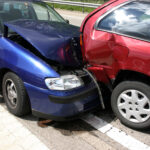
Stamford is one of Connecticut’s most active and fast-growing cities, where constant traffic flows between business hubs, residential areas, and major highways like I-95. With so many vehicles on the road, accidents can happen in a moment, from minor fender benders to more serious collisions. When they do, confusion often follows about who was truly at fault and what that means for financial recovery.
Understanding fault and liability is crucial, not only for protecting your rights but also for ensuring that insurance claims and compensation are handled fairly. Stamford’s traffic laws and state regulations play a major role in determining responsibility, yet these rules can be complex and sometimes overwhelming for those involved in a crash. Working with an experienced Stamford Car Accident Lawyer can help you navigate these details, gather vital evidence, and make sure that accountability and compensation are established accurately and justly.
Related Articles
-
 How Can a Car Accident Affect Your Job?
-
 Understanding the Legal Rights and Options for Victims of 10 Whee…
-
 Exploring the Role of Fatigue Monitoring in Preventing Car Accide…
-
How Company Car Accidents Affect Insurance Coverage: What Employe…
-
Reason Why You Must Hire an Auto Accident Lawyer
-
What Happens If I Lose My Job Because of a Car Accident?


Defining Fault and Liability
Fault is whether or not it’s your fault that the accident occurred. Liability is about who is on the hook for the damages. While these terms seem alike, they are two different things. Typically, fault is established based on the underlying decisions that resulted in the crash, such as failing to yield, or because of actions caused by distracted driving. Liability decides who pays for the losses that occur, such as medical bills and car repairs.
Establishing Fault at the Scene
Evidence collection is vital in an accident. Pictures, witness statements, and police reports all help paint a clearer picture of what occurred. These materials are regularly consulted by insurance companies to determine who is to be blamed. More than anything, it will be the records from the scene, their accuracy and detail, that will decide the matter. In the absence of clear proof, such claims can become complex or take longer to reach a resolution.
The Role of Local Laws
Each area has its own specific law and process governing fault assignment and claim procedure. In some locations, it is an at-fault arrangement whereby the insurance of the driver at fault will pay for damages. Some have a no-fault system that allows each person’s policy to cover their costs, no matter who is at fault. Those legal distinctions impact the speed and efficiency at which these claims proceed.
Comparative and Contributory Negligence
In some cases, two drivers are equally responsible for a crash. Partial fault is accommodated by comparative negligence, which may reduce compensation based on each party’s involvement. One driver might be blamed seventy percent and the other thirty percent, and in that case, you would see the same numbers in the settlement. If there is any fault on the part of the injured party, however, contributory negligence can bar recovery. It is important to understand which one applies in your case to set the expectation of recovery.
How Liability Affects Compensation
Liability defines who needs to pay for medical costs, property damage, and other losses. In the case of a clear case of fault, the insurance of the responsible party usually covers the costs. In cases of liability, each insurer is responsible for a certain proportion of the damages. This split can influence available funds for repairs, treatment, and lost wages. Understanding how liability operates gives people a heads-up on the types of financial consequences that could ensue.
Insurance Investigations and Disputes
When a claim is submitted, insurance adjusters look into the accident. They examine evidence, interview parties involved, and periodically look at vehicles. If some parties disagree with the attribution of fault, then there might be disagreements too. It might then be necessary to negotiate or even go to court in these situations. Therefore, to settle these disputes easily, it is important to sort out liability and fault.
The Importance of Timely Reporting
The sooner an accident is reported, the easier it will be to file a claim. If there is a delay, evidence may disappear or be tampered with, and witness statements may quickly become unreliable. Quick contact with the insurance providers and police prevents miscommunication. Taking early action is also a sign of responsibility and could be helpful in the end.
Impacts on Premiums and Records
Fault on your part can cause an increase in insurance rates. And a history of accidents may impact the cost of future policies and the required coverage. While a claim can be settled, the incident could still stay on a person’s driving record for years. These lasting impacts underscore the importance of driving safely and properly documenting the aftermath of an accident.
Conclusion
Determining fault and liability is essential to the resolution of car accident claims. By being familiar with these terms, drivers can address the post-accident sequence with more assurance. Accurate evidence, acting promptly, and the knowledge of local law can make the processes even smoother. The article explains how being aware of this information and being prepared in advance can help people to preserve their rights and interests after a vehicle accident.