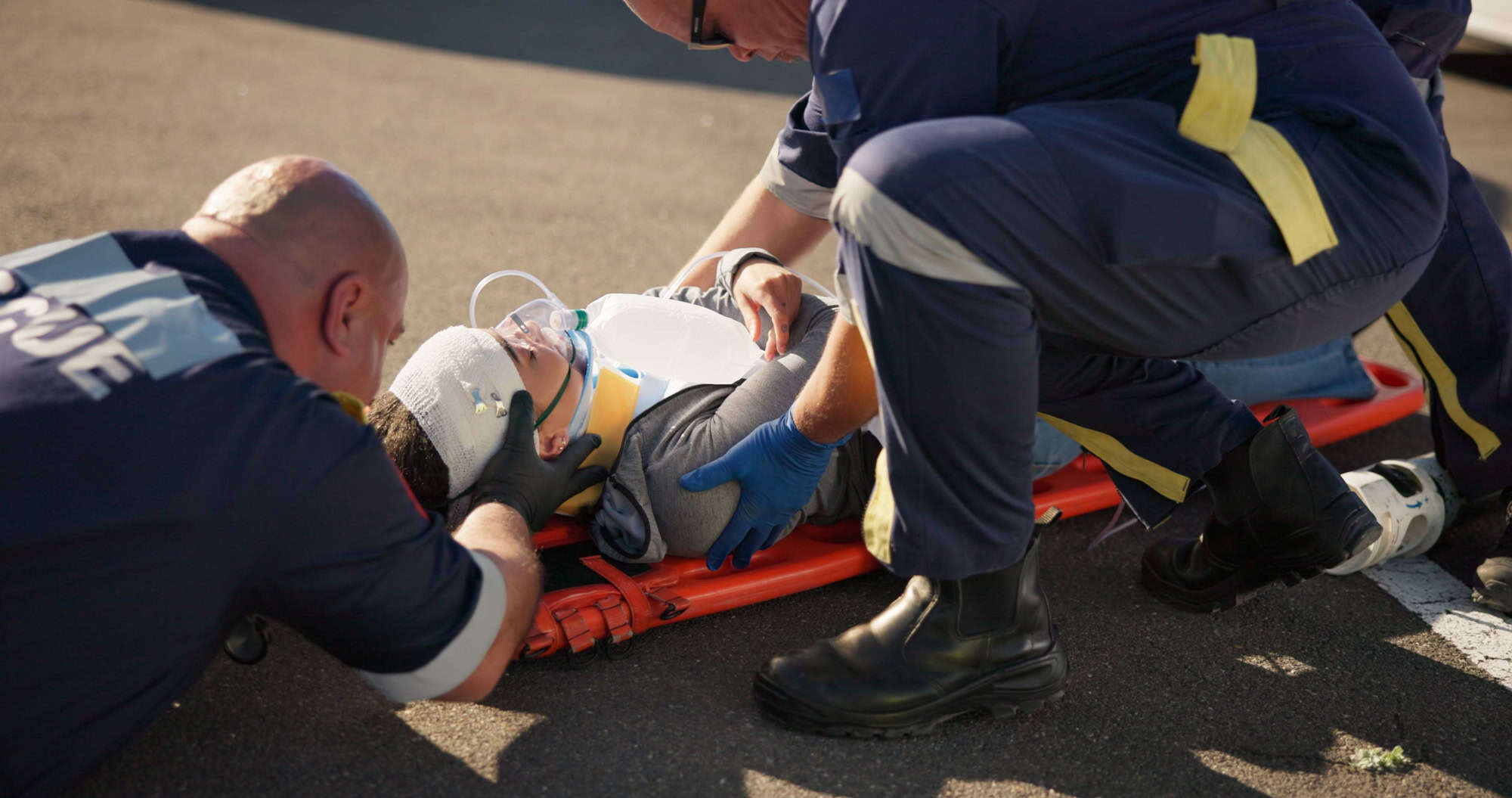
Workplace injuries in the Bronx remain a significant concern for the borough’s diverse workforce across construction, healthcare, retail, and service industries. According to the New York State Workers’ Compensation Board, the Bronx accounts for thousands of workers’ compensation claims annually, with construction accidents, falls, and repetitive stress injuries being among the most common causes. The New York Committee for Occupational Safety and Health reports that many injured workers face challenges navigating the claim process, with studies showing that approximately 30–40% of eligible workers fail to file claims due to fear of retaliation or lack of awareness about their rights. National data indicate that workplace injuries cost the U.S. economy over $170 billion annually in medical expenses and lost productivity, illustrating the need for proper legal protection and support.
Getting injured while performing work-related activities leads employees to immediate worries. Evaluate the health of employees, which is important, and ensure they have sufficient knowledge about the law, as it is a very essential part of their recovery. Most employees do not have an explanation of how to get both recovery and the proper treatment after an accident. The stressful process could be made less stressful by knowing about protections and seeking legal help for Bronx workers’ compensation claims when needed.
Related Articles
-
 Employer Liability in Workplace Accidents: Understanding the Lega…
-
All You Need To Know About Being Injured At Work
-
I Got Bit By a Dog at Work – What Do I Do?
-
Can I Sue My Employer for Negligence?
-
What to Do If You’re Injured On the Job?
-
Guide to Workplace Accidents
-
I Was Injured at Work. What Are My Legal Rights?


Recognizing Employee Rights
Workers have a right to be safe from coercive protections at work. It’s the responsibility of employers to create a safe work environment and everything else, including providing a proper safety plan, adequate training, and well-suited equipment. If there is an accident due to dangerous situations, the victim can ask for help. Being aware of these rights prevents additional abuse or neglect.
Immediate Steps After an Incident
A fast reaction to the result of an accident is advantageous for everyone concerned. Reporting the incident to a supervisor immediately documents it and corroborates any future allegations. It deals with health issues and establishes an official record of injury. Retaining copies of all documents related to history can be useful in the future.
Filing a Workplace Injury Claim
A work-related injury must not prevent an employee from filing a claim. You may need to complete particular forms and provide supporting documentation during this process. The deadlines for submission are non-negotiable and time-sensitive. This process can also be clarified by referring to the resources or experts available.
Employer Responsibilities
For this reason, injured workers are supported by law in order for employers to follow all of these regulations. It is a basic duty to provide access to the right medical help. According to the Occupational Safety and Health Administration (OSHA), employers must maintain safe working conditions and cannot discriminate or retaliate against employees who report injuries or file claims. They must not discriminate or retaliate against employees who report injuries or who file a claim. Maintaining these standards conveys trust in the workplace.
Access to Compensation and Benefits
Several different types of compensation may be available for workers. Workers may receive coverage for lost wages, medical treatments, and rehabilitation. It differs from case to case, and what kind of aid is dispensed is determined by how serious the harm caused is. By understanding the benefits available, workers can make better choices.
Returning to Work Safely
When you return to work from an injury, adjustments are often needed. This may require a change in job duties or work schedule to allow for recovery. When workers talk to supervisors in advance, the transition tends to go more smoothly. In this process, health and safety should never be a second priority.
Protection Against Retaliation
Workers are protected under the act against adverse action after reporting an injury. It is illegal for an employer to cut hours, assign less desirable work, or terminate employment in retaliation for a claim. In the event of discrimination, there are formal mechanisms for workers to turn to for assistance. Understanding these protections provides people with the necessary safety to report unsafe conditions without the worry of retaliation.
Seeking Legal Advice
After all, the act of claiming rights can be absolutely exhausting. This is where legal experts can offer guidance and guarantee the protection of every right. Calling legal experts early usually brings employees much better results. Employees shouldn’t shy away from asking questions and clarifying any doubts.
Supporting Mental Health
Injuries are always going to affect you emotionally. Workplace accidents are usually accompanied by stress, anxiety, and uncertainty. Seeking counseling or support groups can help you recover. Mental health is to be cared for just the same as physical harm.
Promoting a Culture of Safety
Prevention remains the best protection. Promoting a culture of open dialogue regarding hazards ensures a safer environment for all. Workers are trained to handle difficult, unexpected, and sometimes even dangerous situations. A safe workplace is the mutual responsibility of a competent employer and conscientious employee
Conclusion
When injured on the job, getting workers protected involves knowledge, activism, and advocacy. By knowing rights, by sticking to procedure, and by soliciting help as needed, one will be treated fairly. When safety and respect guide every step, all win. When workers are kept informed and prepared, it shows that their well-being matters.