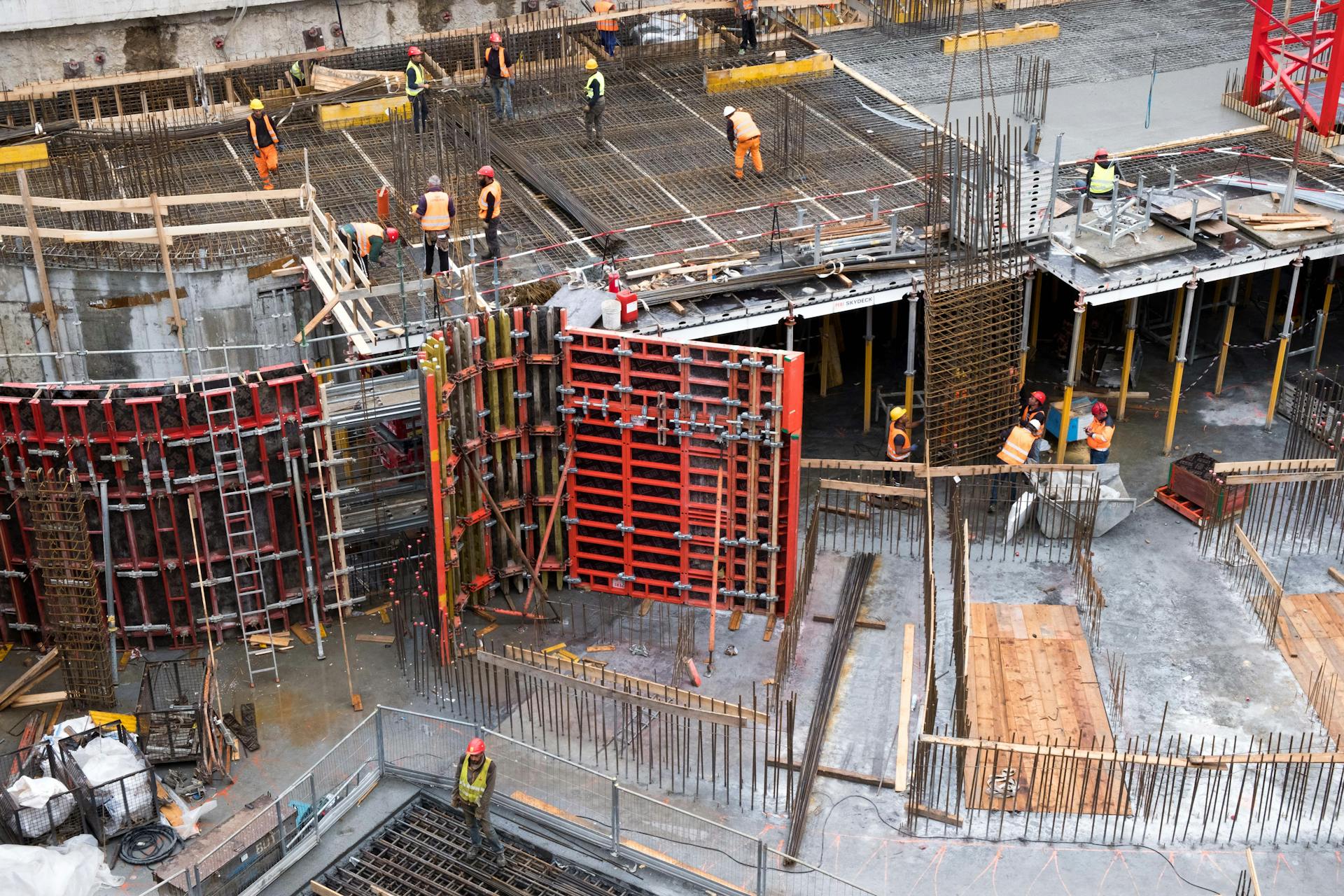
Construction is one of the most dangerous industries in the country. The statistics bear this out consistently — construction accounts for a disproportionate share of workplace fatalities and serious injuries every year. Falls from scaffolding, falling objects, electrical hazards, trench collapses, equipment accidents — the list of ways a construction site can injure a worker or a visitor is long, and the injuries that result are frequently severe.
What makes construction injury cases legally significant is that most of these accidents aren’t inevitable. They result from failures — failures to install proper fall protection, failures to maintain equipment, failures to follow OSHA standards that exist precisely because the industry knows what the hazards are. When those failures cause injury, the law provides a path to accountability and compensation.
This post is about how construction injury claims work, what they require, and why they’re more legally complex than most standard personal injury cases. Consulting with a construction injury attorney boston who handles these cases specifically is the starting point for understanding what your situation actually looks like from a legal perspective.


Why Construction Injury Cases Are Legally Complex
A construction injury case isn’t simply a matter of proving that someone got hurt. It involves a set of legal questions that are specific to the construction context and require expertise to navigate properly.
Multiple parties, multiple potential defendants. A construction site typically involves a general contractor, multiple subcontractors, equipment vendors, property owners, and sometimes architects or engineers. When an accident occurs, the question of who bears responsibility — and in what proportion — requires analyzing the contracts, the safety obligations, and the actual conduct of each party. Liability rarely falls on just one entity.
OSHA regulations as evidence. The Occupational Safety and Health Administration sets specific safety standards for construction sites — fall protection requirements, scaffold construction standards, electrical safety protocols, and dozens of others. A violation of these standards doesn’t automatically create liability, but it’s powerful evidence that a safety obligation existed and wasn’t met.
Workers’ compensation and third-party claims. Injured workers are typically entitled to workers’ compensation benefits from their employer. But workers’ compensation is not the only avenue. When a party other than the direct employer — a general contractor, a subcontractor, an equipment manufacturer — contributed to the accident, a third-party personal injury claim may be available in addition to workers’ compensation. These two tracks operate in parallel and interact in specific ways that an experienced attorney will know how to navigate.
Serious injuries with lifetime consequences. Falls from heights, being struck by falling objects, electrocution — these cause the kinds of injuries that don’t simply resolve with a few weeks of recovery. Spinal cord damage, traumatic brain injuries, severe fractures, amputations — the injuries that construction sites produce tend to be at the serious end of the spectrum, which means the damages at stake are significant and the need for thorough legal representation is correspondingly high.
Falls: The Most Common and Most Serious Hazard
Falls are the leading cause of construction worker fatalities and one of the most common causes of serious injury. The mechanisms are varied — falls from scaffolding, falls through floor openings, falls from ladders, falls from roofs and elevated platforms — but the legal framework is similar across all of them.
OSHA requires fall protection for workers at heights of six feet or more in the construction industry. This includes guardrail systems, safety nets, or personal fall arrest systems. When an employer or contractor fails to implement required fall protection and a worker falls as a result, the failure to comply with a specific regulatory standard is central evidence in the resulting legal claim.
The severity of fall injuries depends significantly on the height and the landing surface. Falls from significant heights — from multi-story scaffolding, from rooftops, from elevated platforms — produce injuries that can include multiple fractures, spinal cord damage, traumatic brain injury, and internal organ damage. The medical costs and long-term consequences of these injuries are substantial, and the legal claim needs to account for them fully.
Working with a boston personal injury law firm that handles construction accident cases means working with attorneys who know how to investigate what happened, identify all potentially liable parties, and build the evidentiary record that supports a complete damages claim.
The Third-Party Claim: Beyond Workers’ Compensation
Workers’ compensation provides benefits to injured workers regardless of fault — medical expenses and a portion of lost wages — but it also limits what can be recovered. Pain and suffering, full lost wages, and future earning capacity are generally not available through workers’ compensation.
When a third party — someone other than the direct employer — contributed to the accident, a personal injury claim against that party opens up the full range of damages that workers’ compensation doesn’t provide. This is one of the most important legal concepts in construction injury cases, and it’s one that injured workers frequently don’t know about.
Third parties who may be liable in construction accidents include general contractors who had supervisory responsibility over the work site, subcontractors whose work created the hazard, property owners whose premises conditions contributed to the accident, and equipment manufacturers when a defective product played a role.
Identifying all potentially liable third parties — and preserving claims against them — requires legal analysis that most injured workers are not positioned to do on their own. The statute of limitations for personal injury claims is typically shorter than the period during which some evidence might be preserved, which is another reason why early legal involvement matters.
Spanish-Speaking Workers and the Legal System
Construction sites in many parts of the country employ a significant proportion of Spanish-speaking workers. For these workers, the barriers to pursuing a legal claim after an injury can be compounded by language — difficulty communicating with insurance adjusters, difficulty understanding legal documents, uncertainty about whether immigration status affects their rights.
The legal reality is that workers’ compensation and personal injury rights in the United States are not conditioned on immigration status. An undocumented worker who is injured on a construction site has the same legal rights as any other worker. Insurance companies and employers sometimes imply otherwise, but it’s not true.
Having access to legal representation in Spanish — attorneys who can explain the process, review documents, and advocate in the language the client speaks — removes a barrier that would otherwise prevent many injured workers from accessing the rights they have.
Abogado para accidentes de construcción en boston who handles construction injury cases in Spanish means having representation that serves the full range of workers on construction sites — not just those who can navigate the system in English.
What Compensation Can Cover
In a construction injury case that includes both workers’ compensation and a third-party personal injury claim, the compensation picture can include medical expenses — current and future — lost wages, reduced earning capacity if the injuries affect the ability to return to the same work, pain and suffering, emotional distress, and in cases of permanent disability, compensation for the long-term impact on quality of life. The interaction between workers’ compensation benefits already received and a third-party recovery involves specific legal rules about liens and offsets that vary by state. Navigating this correctly — maximizing the total recovery while properly accounting for what’s already been received — is part of what experienced construction injury representation provides.