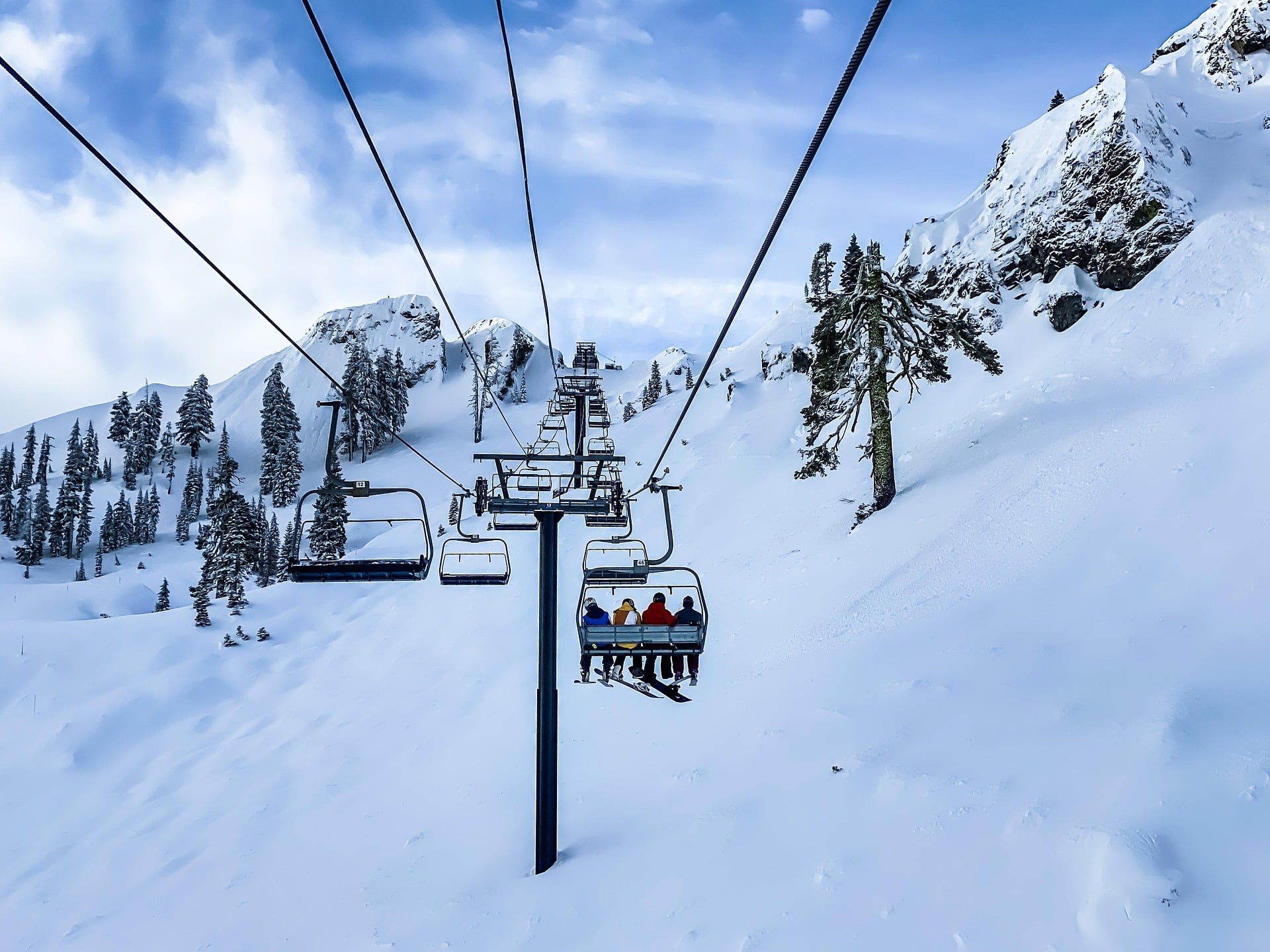
Heading off on a snowy teambuilding getaway sounds like a dream. Clear mountain air, connecting with your team over snowsports, and creating memories to last a lifetime.
But wait…
Throw caution to the wind and skip some key health and safety planning, that dream retreat can quickly turn into a holiday from hell. The U.S. Consumer Product Safety Commission reported that in 2022, there were around 124,700 winter sports-related injuries treated at emergency rooms across the country.
The good news?
Emergency room visits aren’t inevitable. In fact, most injuries are 100% preventable. In this article we’ll look at everything organisers need to know to keep their team safe and sound on the slopes.
Related Articles
-
 The Impact of Criminal Convictions on Employment Opportunities
-
On-Site vs. Remote vs. Hybrid: The Three Major Work Models And Ho…
-
How to Overcome Communication Challenges in Your Remote Teams
-
Employee Use of Prescription Medication in the Workplace
-
What A Good HR Should Do to Help Victims Of Domestic Violence


Why Equipment Matters More Than You Think
Equipment isn’t just a checkbox on a list. It’s the foundation of snow sports safety. Get this one wrong and everyone is put at risk.
One of the most underrated pieces of equipment? Snowboard bindings. Bindings are those things that connect riders to their boards. They play a huge role in control and safety. Loose or poorly fitted bindings lead to falls, twisted ankles, sprained wrists, and all sorts of injuries.
For a team retreat where snowboarding is a planned activity, organisers should buy snowboard bindings online in advance from a trusted retailer that provides a proper sizing guide. This way you can make sure every member of the team has equipment that actually fits their boot size and riding style.
The essential elements of properly fitted equipment include:
- Bindings adjusted for height, weight, and skill level
- Boots that are snug but don’t cut off circulation
- Helmets specifically rated for snow sports
- Goggles with proper UV protection
Equipment rental shops at resorts can help with fit and adjustments. But you should still take the time to check every participant has gear that fits properly before they head out onto the slopes.
The difference between properly fitted equipment and rental gear that “sort of fits” is night and day. Boots that are too loose lead to blisters and reduced control. Bindings set too tight won’t release in a fall. Bindings set too loose release unexpectedly in the middle of a run.
It matters.
Understanding Skill Levels In Your Group
This is where many teambuilding trips go off the rails.
In any group, people will not have the same experience. You might have several team members who ski every winter. And you might have others that have never set foot on a ski lift.
Research shows that 49% of snowboarding injuries happen to beginners. In other words, almost half of the injuries that occur are to people still learning the basics.
The implications for organisers?
Skill level assessment is critical. Before booking anything, survey the team to understand:
- Who has skiing or snowboarding experience
- Comfort levels with various terrain
- Any existing injuries or physical limitations
- Activities they prefer to do away from the slopes
Once you have a good understanding of the skill levels in your group, you can plan group activities accordingly. Newcomers should stay on bunny slopes with instruction. Intermediate and advanced riders can tackle more difficult runs.
Don’t pressure beginners to try terrain that’s beyond their abilities. This is how people get seriously hurt.
Professional lessons are worth paying for if you have any team members who are new to snowsports. An instructor certified by the national governing body will teach:
- Proper technique and form
- How to stop
- How to fall and get up safely
Skills like these prevent the majority of beginner accidents. Most resorts offer group lesson packages. Book those in advance for people who need them.
Essential Safety Gear For Snow Activities
Beyond the basics, there’s additional safety gear that smart organisers provide for their teams.
- Helmets are mandatory. No exceptions. Head injuries are the leading cause of serious injury among skiers and snowboarders. A properly fitted helmet reduces that risk dramatically.
- Wrist guards for snowboarders. When snowboarders fall, their instinct is to throw their hands out. This leads to wrist injuries far more often than with skiers. Wrist guards are especially important for beginners who fall more frequently.
- Layered clothing matters too. Hypothermia sneaks up fast when wet clothing meets cold temperatures. Waterproof outer layers and moisture-wicking base layers help keep body temperature regulated all day long.
Other essential items to consider providing include:
- Sunscreen (snow reflects UV rays more intensely)
- Lip balm with SPF protection
- Hand and toe warmers for days when temps are extremely low
- Emergency contact cards in every pocket
Cold Weather Health Considerations
Snow sports bring with them unique health issues that organisers should address.
- Altitude sickness affects many visitors to mountain resorts. Symptoms include headaches, nausea, and fatigue. Teams coming from low elevation areas should build in time to acclimatise before pushing themselves physically.
- Dehydration is sneaky in cold weather. People just don’t feel as thirsty when the temperature drops. But activity still requires proper hydration. Encourage regular water breaks even when nobody feels like it.
- Fatigue causes accidents. Studies show that most skiing injuries happen after 3:30 PM when people’s muscles are tired, and the snow conditions harden. Smart scheduling means calling it a day before exhaustion sets in.
Plan for regular breaks throughout the day. Warm drinks, snacks, and downtime prevent the fatigue that leads to poor decisions on the slopes.
Emergency Preparedness Planning
Hope for the best, plan for the worst.
Every snowy teambuilding trip should leave with a comprehensive emergency plan in place before they leave home. This isn’t optional – it’s essential risk management.
- Designate emergency contacts. Someone back at the office should have a full itinerary and contact information for every participant. That person should also have resort emergency numbers on hand.
- Know the resort’s medical facilities. Most ski resorts have first aid stations on site. Larger resorts have full medical clinics. Identify these locations before arrival and share them with the group.
- Travel insurance is worth the investment. Medical evacuations from mountain locations get expensive fast. Ensure every team member has adequate coverage before the trip begins.
- Create a buddy system so nobody rides alone. This ensures injured team members get help immediately rather than being stranded on a trail.
- Phone batteries drain fast in cold weather. Make sure everyone has backup power banks or keeps their phones close to their body for warmth. A dead phone in an emergency is a serious problem.
Wrapping It All Up
A snowy teambuilding getaway is a fantastic way to strengthen team relationships and create memories that will last a lifetime. But only when health and safety get the proper attention.
To summarise the key points really quickly:
- Ensure all equipment fits properly and is adjusted for every rider
- Assess skill levels honestly and group activities accordingly
- Provide essential safety gear including helmets and wrist guards
- Address the cold weather health risks of altitude sickness and dehydration
- Make sure emergency plans are ready before departing home
Preparing these elements doesn’t make the trip less fun. It enables the fun to actually happen by preventing injuries and incidents that ruin group retreats.
Do the preparation work upfront. Then sit back and watch the team bond over shared mountain adventures.
Featured Image by Adam Derewecki from Pixabay