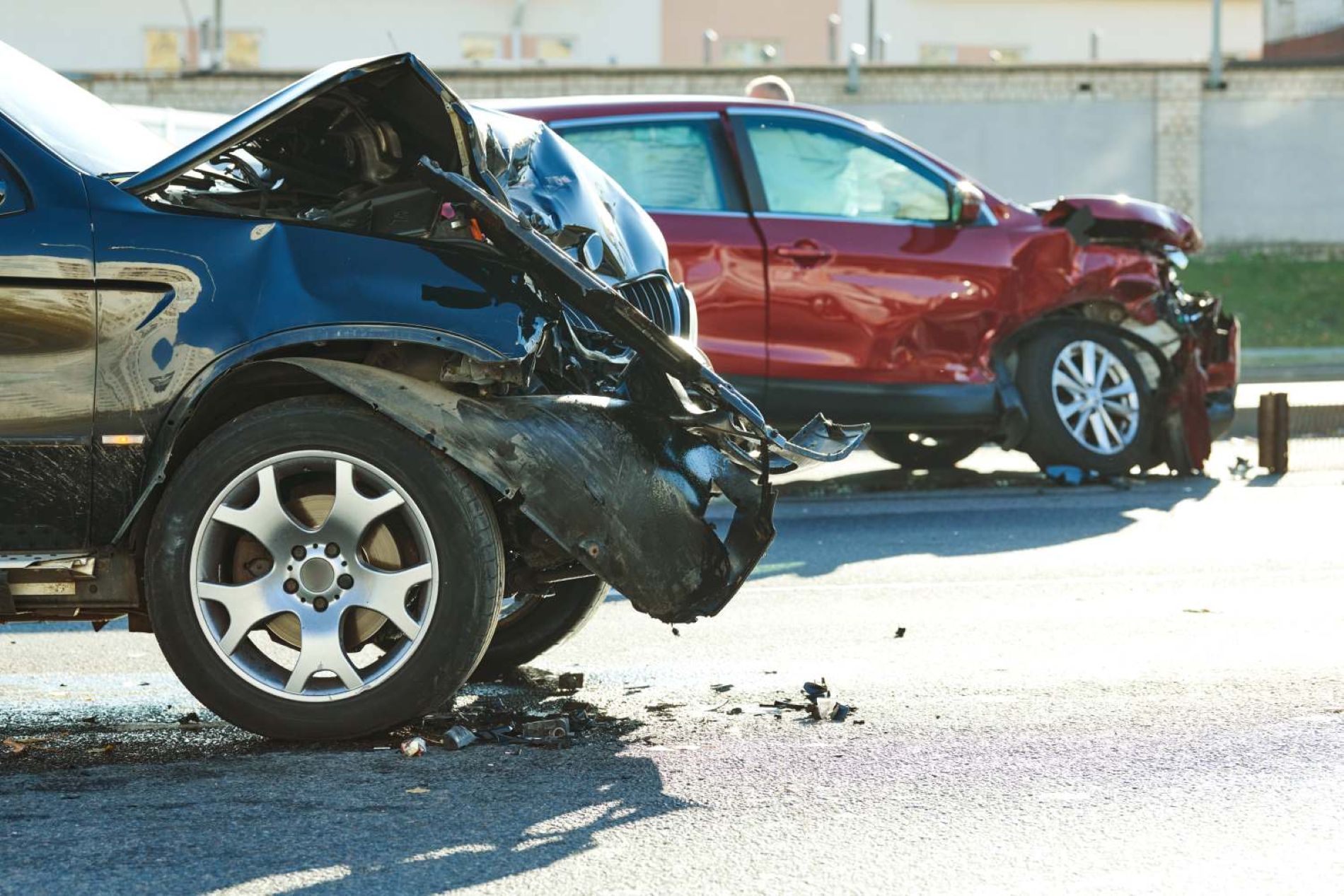
Navigating the aftermath of a car accident is invariably a stressful experience. When that collision occurs while an employee is driving for work-related purposes, the situation can become significantly more complex, introducing questions about liability, insurance coverage, and potential legal responsibility.
Employees who drive their own vehicles or company cars to perform job duties must understand the critical distinctions that determine who is financially responsible for vehicle repair damages, medical bills, and other losses. This knowledge is essential for protecting one’s personal assets and ensuring proper compensation in the event of a road incident.
Here’s what employees need to know about liability in an auto collision while driving for work:
Related Articles


What is Vicarious Liability?
The central issue in auto collision cases involving employees typically revolves around the legal concept of “vicarious liability,” commonly known as “respondeat superior.” This doctrine can hold an employer, who may be the vehicle owner, legally accountable for the negligent acts of an employee, provided those acts occur within the “course and scope” of their employment. Determining what falls within this scope isn’t always straightforward and is often the primary point of contention following a collision.
Furthermore, in such complex scenarios, consulting with an auto collision lawyer in Utah or similar locations can provide essential clarity from the outset and ensure a more favorable outcome.
The Course and Scope of Employment
An employee is generally acting within the course and scope of employment when they are engaged in activities that benefit the employer. This includes direct task completion, such as making deliveries, visiting client sites, or traveling between work locations. However, the scope can be narrowly interpreted. For instance, the commute from an employee’s home to their primary workplace is typically not covered. This is known as the “coming and going” rule.
The analysis also becomes more nuanced with deviations. A minor detour for a personal errand, such as stopping for coffee, may not absolve the employer of liability if the employee is otherwise on a work-related trip. However, a substantial deviation for a purely personal reason could place the employee outside the scope of employment, shifting liability squarely onto their shoulders. The specific facts of the drive, including its purpose, timing, and the nature of any detours, are critically examined by insurance adjusters and courts.
Employer-Owned vs. Personal Vehicle Use
The type of vehicle driven plays a significant role in how involved persons address the issue of liability. These include:
Employer-Owned Vehicles
When an accident involves a company car, truck, or van, the employer’s commercial auto insurance policy is typically the primary source of coverage for damages. The employer may be held vicariously liable for the employee’s negligence while operating the vehicle for business. The employee may still face personal liability if their actions constituted gross negligence or were intentionally harmful, such as driving under the influence.
Personal Vehicles (The “Non-Owned” Doctrine)
Many employees use their locally-owned cars for work tasks. In these cases, the employee’s personal auto insurance is usually considered the primary coverage. If the employee was acting within the scope of employment, the employer’s insurance may provide excess or secondary coverage for auto collision repair and other damages once the limits of the personal policy are exhausted. It’s also imperative for employees to check the vehicle’s status and repair options and review their personal policy limits, owners warranty, and manufacturer’s warranty, and understand what their insurance covers, as a serious accident could quickly deplete minimum coverage amounts.
Workers’ Compensation Considerations
A common question is whether workers’ compensation covers a work-related auto accident. Generally, yes. If the employee was injured while performing a duty for their employer, they are likely eligible to file a workers’ compensation claim. This system can provide benefits for medical bills and a portion of lost income, regardless of who was responsible for the accident.
However, accepting benefits for workers’ compensation usually precludes the employee from suing their own employer for further damages. A third-party liability claim against the at-fault driver, if it wasn’t the employer, may still be pursued to recover full damages, including pain and suffering.
Steps to Take Following a Work-Related Collision

The immediate actions taken after an accident can have a profound impact on any subsequent legal or insurance claims proceedings. Some steps to take following a work-related collision:
Secure the Scene and Report the Accident
The employee involved must ensure safety, call 911 for medical assistance if needed, and move vehicles to a safe location if possible. They must also report the accident to local law enforcement to create an official report.
Notify the Employer Immediately
The employee involved through a phone call must inform a supervisor or manager as soon as it’s safe to do so. Most companies have specific protocols for reporting accidents, and failure to follow these protocols could result in a violation of company policy.
Document Everything Thoroughly
The employee involved should also gather evidence at the scene. This includes taking photographs of vehicle damage, road conditions, traffic signs, and any visible injuries. Collecting contact information from the other driver and any witnesses is also crucial.
Seek Medical Attention
Even if injuries seem minor, prompt medical evaluation is crucial. Some injuries, like whiplash or soft tissue damage, may not be immediately apparent.
Communicate Cautiously with Insurers
The employee involved must report the claim to both the personal and employer insurance carriers to begin the repair process for the damaged vehicle and the payout for other related damages. When providing statements, it is advisable to stick to the facts without admitting fault or speculating. The interplay between multiple insurance companies that offer collision repair services can be adversarial, and their primary goal is typically to minimize payouts through their insurance billing.
Conclusion
The financial and legal repercussions of a work-related auto collision are determined by a complex interplay of factors, including the driver’s scope of employment, the type of vehicle involved, and applicable insurance policies. By keeping the information mentioned above in mind, employees can safeguard their rights and secure a fair resolution, ensuring they’re not left personally responsible for the total costs that their employer should cover.
Image Sources
https://stock.adobe.com/au/images/car-crash-accident-on-street-damaged-automobiles/297005885
https://stock.adobe.com/au/images/insurance-agent-writing-on-clipboard-while-examining-car-after-accident-claim-being-assessed-and-processed/182857788