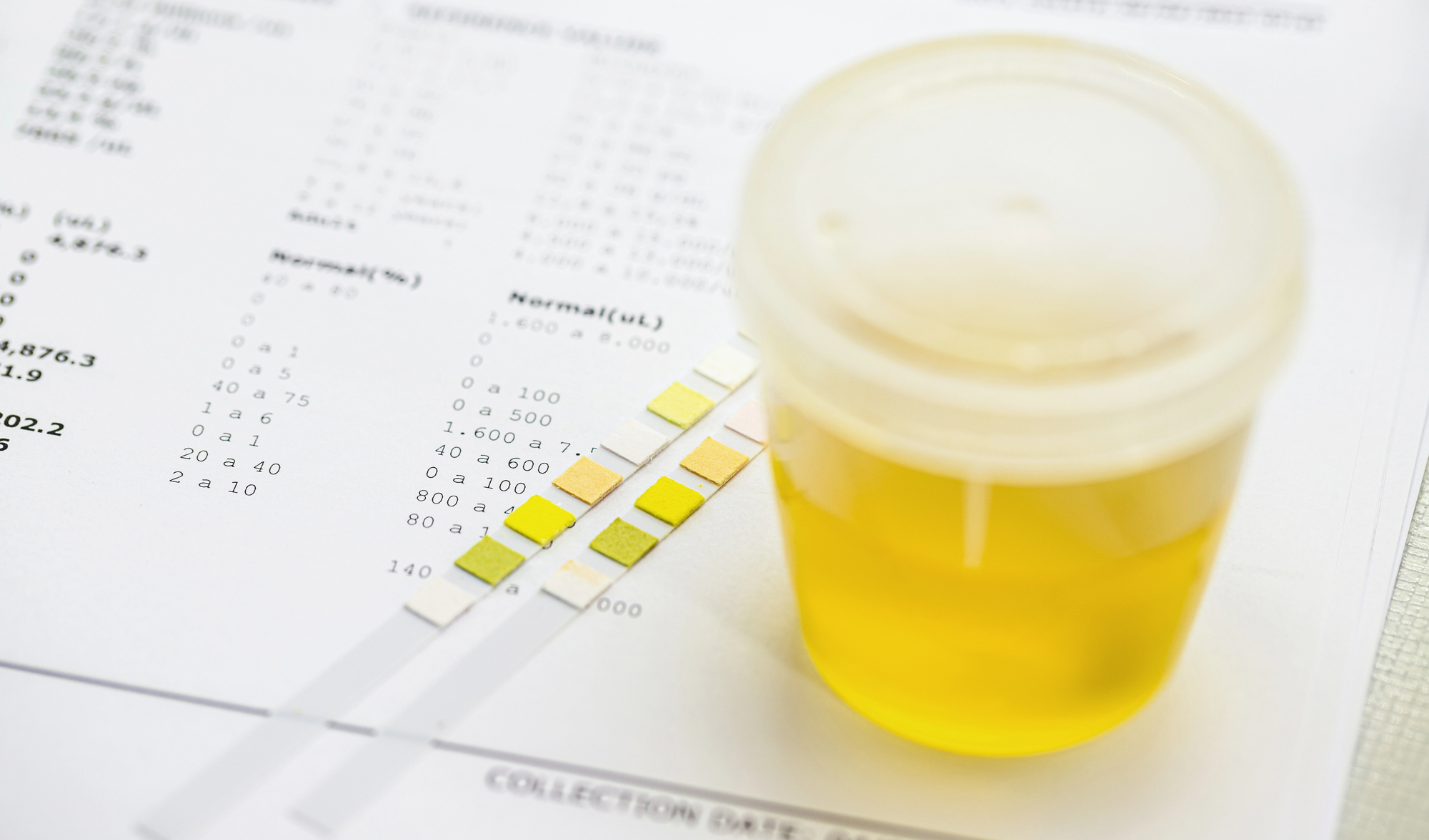
Pre-employment drug tests can make even confident applicants feel nervous. Not because they have something to hide, but because the process feels unfamiliar, strict, and often rushed. Different workplaces use different testing rules, and few applicants receive clear guidance about what to expect. This uncertainty leads to confusion and stress during an already important moment in the hiring process.
The good news is that drug tests are standardized, predictable, and easy to navigate when you understand how they work. Knowing what employers look for, which procedures are normal, and what preparation actually matters can make the entire experience smoother.
This article breaks down the essentials so job seekers can feel informed, prepared, and confident when the testing step arrives.
Related Articles
-
 How does my legal medical marijuana drug test affect my pre-emplo…
-
Random Drug Testing at Work: Random Drug Testing Do’s and D…
-
Marijuana, marijuana cards, and reasonable accommodations under t…
-
7 Steps to Take When You Suspect an Employee is Using Drugs at Wo…
-
Decoding Workplace Drug Testing: Legal, Ethical, and Privacy Pers…


Why Pre-Employment Drug Tests Exist
Drug tests are not personal judgments. They exist to protect safety and maintain compliance with workplace regulations. Some industries—like transportation, logistics, healthcare, security, and construction—face strict federal or state requirements. Companies must show that employees in safety-sensitive roles are reliable and able to perform their duties without risk.
For other workplaces, drug testing is simply part of building a trustworthy environment. It reduces liability, ensures consistency, and supports company policies. Understanding the employer’s perspective helps remove the emotional pressure many applicants feel.
The Types of Drug Tests Employers Commonly Use
Drug tests vary depending on the job, urgency, and industry. Most employers rely on one of the following:
1. Saliva tests — used for quick on-site screening
Saliva tests detect very recent substance use, often within the past few hours. Employers choose them when they need immediate results or want to ensure real-time safety, such as during random or post-incident checks.
2. Hair tests — useful for long-term patterns
Hair tests offer the longest detection window, revealing substance use over the past 30 to 90 days. They are harder to tamper with and are often used for roles that require high levels of trust or regulatory compliance.
3. Blood tests — rare and reserved for specific roles
Blood tests measure the actual concentration of substances in the bloodstream at the moment of testing. They are precise but expensive and invasive, so employers use them only when accurate, immediate medical-level results are required.
4. Urine tests — the most common method
Urine tests screen for a wide range of substances and provide reliable detection for recent use. They are affordable, easy to administer, and accepted across most industries, which is why employers rely on them for standard pre-employment screening.
To maintain this accuracy, facilities regularly calibrate their testing systems with controlled samples and training tools, including synthetic urine from reputable brands such as Quick Fix, which is used in labs to check whether machines are reading samples consistently. These products are professionally manufactured to match the chemical characteristics of real human urine, including pH, specific gravity, and overall composition.
As a result, this reliability helps labs spot equipment issues quickly and maintain accurate results for every applicant.
What Job Applicants Must Do Before the Test
Preparation becomes much easier when you know what to expect. A drug test is not complicated, but it does require attention to small details. Below are essential steps every applicant should follow to ensure a smooth experience.
1. Bring Valid Identification
Testing centers always require a government-issued ID, such as a driver’s license or passport. Without the proper identification, the appointment cannot move forward. Bringing your ID may seem obvious, but it’s the most common reason applicants are turned away.
2. Review All Medications
Certain prescriptions can influence test results, and many applicants don’t realize this. ADHD medication, antidepressants, pain relievers, and sleep aids can all appear in screenings. The safest approach is to bring documentation or the prescription bottle and inform the technician before the sample is collected. Full transparency prevents misunderstandings and ensures that your results are interpreted correctly.
3. Avoid Overhydration
Nervous applicants often drink large amounts of water in hopes of “cleaning” their system. This usually does more harm than good. Excessive hydration can dilute your sample, which may result in an automatic retest or further questioning. Drink normally so your sample stays within the expected range.
4. Follow Instructions Exactly
Testing centers follow strict protocols. You may be asked to empty your pockets, store personal belongings, remove jackets, or follow very specific collection steps. These rules are standard across the industry. Following them without hesitation helps the process run smoothly and avoids delays.
5. Plan for Time
Rushing creates unnecessary stress. Arrive a few minutes early so you can check in calmly. When applicants feel pressured or hurried, they make simple mistakes such as forgetting documentation or missing important instructions.
Common Mistakes Applicants Should Avoid
Many issues arise not from the test itself but from misunderstandings around it. Avoid these common mistakes to keep the experience straightforward and stress-free.
1. Trusting Internet Myths
Online forums are filled with remedies that claim to help people “beat” drug tests. Detox drinks, home hacks, and questionable shortcuts rarely work and often raise red flags during screening. They can complicate the process and reflect poorly on the applicant.
2. Hiding Prescription Medications
Some applicants fear disclosing medication, but withholding this information is counterproductive. Most prescriptions are completely permissible once documented. Being upfront prevents confusion if something appears in the results.
3. Overthinking the Process
Worrying excessively adds pressure and leads to mistakes. A drug test is a routine step for most employers. Approaching it with clear information, realistic expectations, and a calm mindset helps applicants perform at their best.
Conclusion
Pre-employment drug testing feels intimidating only when the process is unclear. With accurate information, job applicants can approach testing with confidence instead of anxiety. Understanding how tests work, what employers expect, and what rights applicants have turns the experience into a routine part of the hiring process. When preparation is grounded in facts rather than fear, the path to employment becomes smoother and far less stressful.