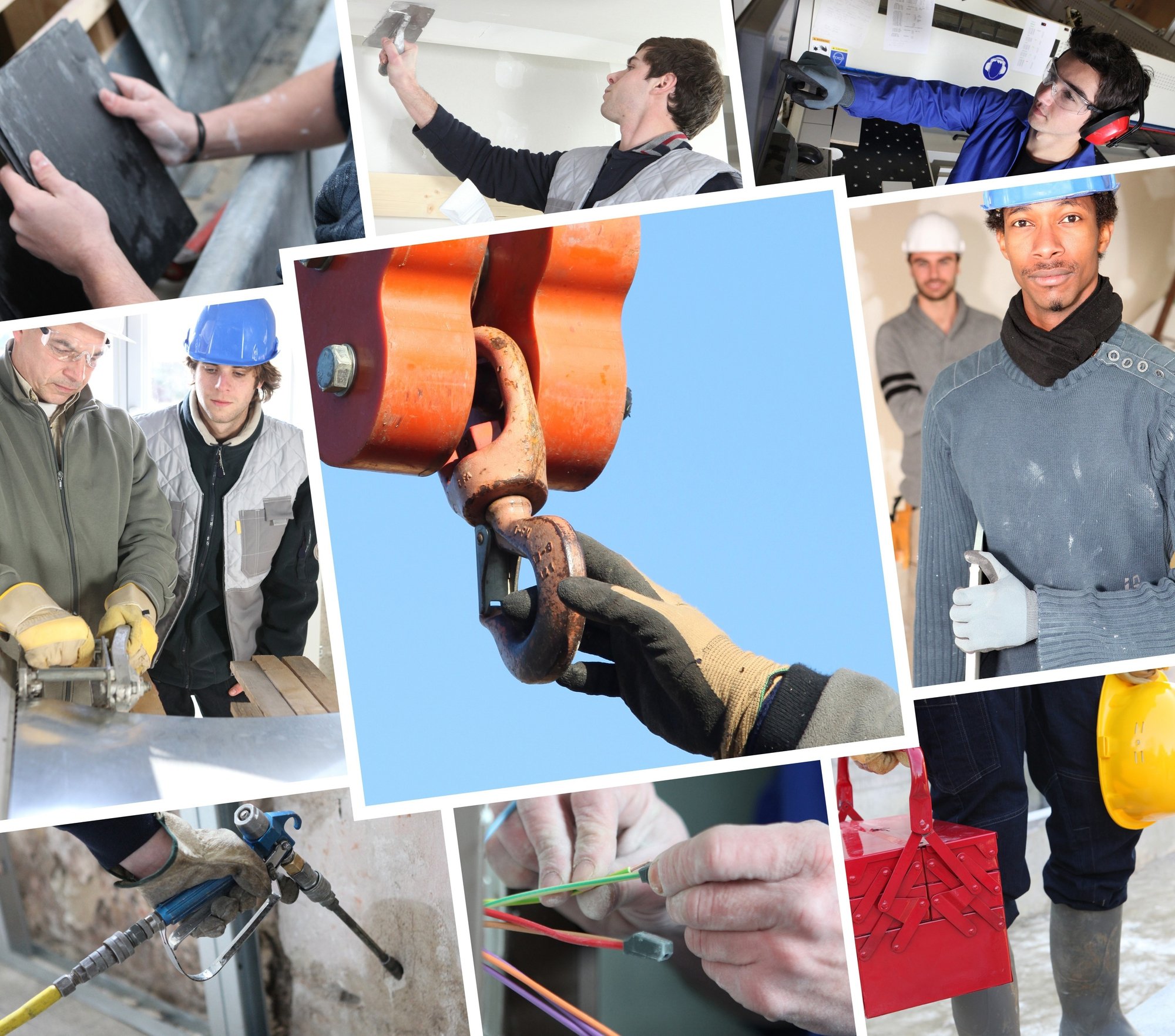
Construction is one of the most dangerous industries to work in. Every day, workers deal with heavy machinery, open heights, and fast-moving teams, making it a high-risk environment for accidents. While safety measures are often discussed, there’s a legal reason you can’t afford to treat them lightly.
Under OSHA’s General Duty Clause, safety training is more than just good practice. It’s the law. Employers are expected to maintain a workplace that is free from recognized hazards. And the best way to do that is through proper training that prepares workers to handle the risks that come with the job.
Let’s take a closer look at what the General Duty Clause means, why training is so critical, and how it protects both people and the businesses that hire them.
Related Articles
-
 6 Financial Compliance Tips Every Remodeling Contractor Should Kn…
-
Employment Opportunities in the Home Construction Industry
-
Hiring the Right Professionals for Home Improvements
-
Construction Safety Training: A Legal Imperative Under OSHA’s Gen…
-
Understanding Lease vs. Loan for Construction Equipment Financing


Understanding OSHA’s General Duty Clause
OSHA’s General Duty Clause sounds simple, but it carries serious weight. It requires all employers to provide a workplace free from hazards that are likely to cause serious harm or death. Even if there isn’t a written OSHA rule for every situation, the clause still applies.
In the construction industry, where so many hazards are well known, like falls, electrocution, or equipment malfunctions, this clause is often used when companies fail to take basic safety steps. That could mean not training workers on how to handle materials properly or ignoring clear warning signs on-site.
Failing to meet this obligation can lead to fines, legal action, or worse, life-threatening injuries.
Why Construction Safety Training Can’t Be Skipped
Safety training isn’t just about checking boxes; it’s about building awareness and muscle memory. Workers who are trained properly know how to spot danger, how to respond to it, and how to protect both themselves and their co-workers.
Construction projects move fast, and mistakes can be costly. Training ensures everyone understands the right way to use equipment, wear safety gear, and follow procedures without second-guessing.
Not every company has the time or in-house expertise to stay updated on evolving safety standards. That’s why many turn to professional support. You can visit https://menottienterprise.com/ to learn how experienced consultants can help create safety programs tailored to your site’s needs and aligned with OSHA requirements. With expert guidance, you can manage risks better and build a safer, more compliant workplace. Taking the time to invest in safety today can prevent serious consequences tomorrow.
What Happens When Training is Ignored
The impact of skipping safety training goes far beyond minor violations. In many cases, it leads to accidents that result in severe injury or even death. These incidents are often followed by OSHA investigations, heavy penalties, and insurance claims that can drag down a company’s finances and reputation.
Worse, if OSHA finds that an employer didn’t take “reasonable steps” to prevent a hazard, they’ll cite the company under the General Duty Clause, even if there wasn’t a specific rule being broken.
It’s a reminder that ignorance isn’t an excuse. If a hazard is known and a company fails to train its workers accordingly, legal trouble is almost certain.
When to Rethink Your Safety Program
Sometimes companies think they’re doing enough, until something happens. If your safety training hasn’t been updated in a while, or your team seems unsure about certain procedures, it’s worth taking a second look.
Are your new hires getting proper onboarding? Do seasoned workers receive refreshers regularly? Are you documenting your training sessions? These questions matter, especially if you want to stay OSHA-compliant and prevent injuries before they happen.
Even something as basic as unclear signage or a lack of protective gear training can lead to trouble. A small oversight in safety can quickly grow into a big issue.
Getting Help from Professionals Makes a Difference
Working with a professional safety consultant can make your training more effective and easier to manage. These experts don’t just offer one-size-fits-all programs. They take the time to understand your job site, your crew, and the specific challenges you face.
They help with everything from employee training sessions to written safety plans and even site audits. This outside support often brings a fresh perspective, highlighting issues you might not have seen on your own.
Plus, being proactive about safety shows your crew you care. That builds trust and helps everyone work with more focus and fewer distractions.
In Closing
Construction safety training isn’t just important, it’s a legal must. OSHA’s General Duty Clause places full responsibility on employers to protect their workers from known dangers. And when the right training is in place, it saves lives, avoids fines, and keeps projects on track. If your current safety efforts feel outdated or inconsistent, now is the time to act. A strong safety program doesn’t just keep you compliant. It helps you build a smarter, safer workplace from the ground up.