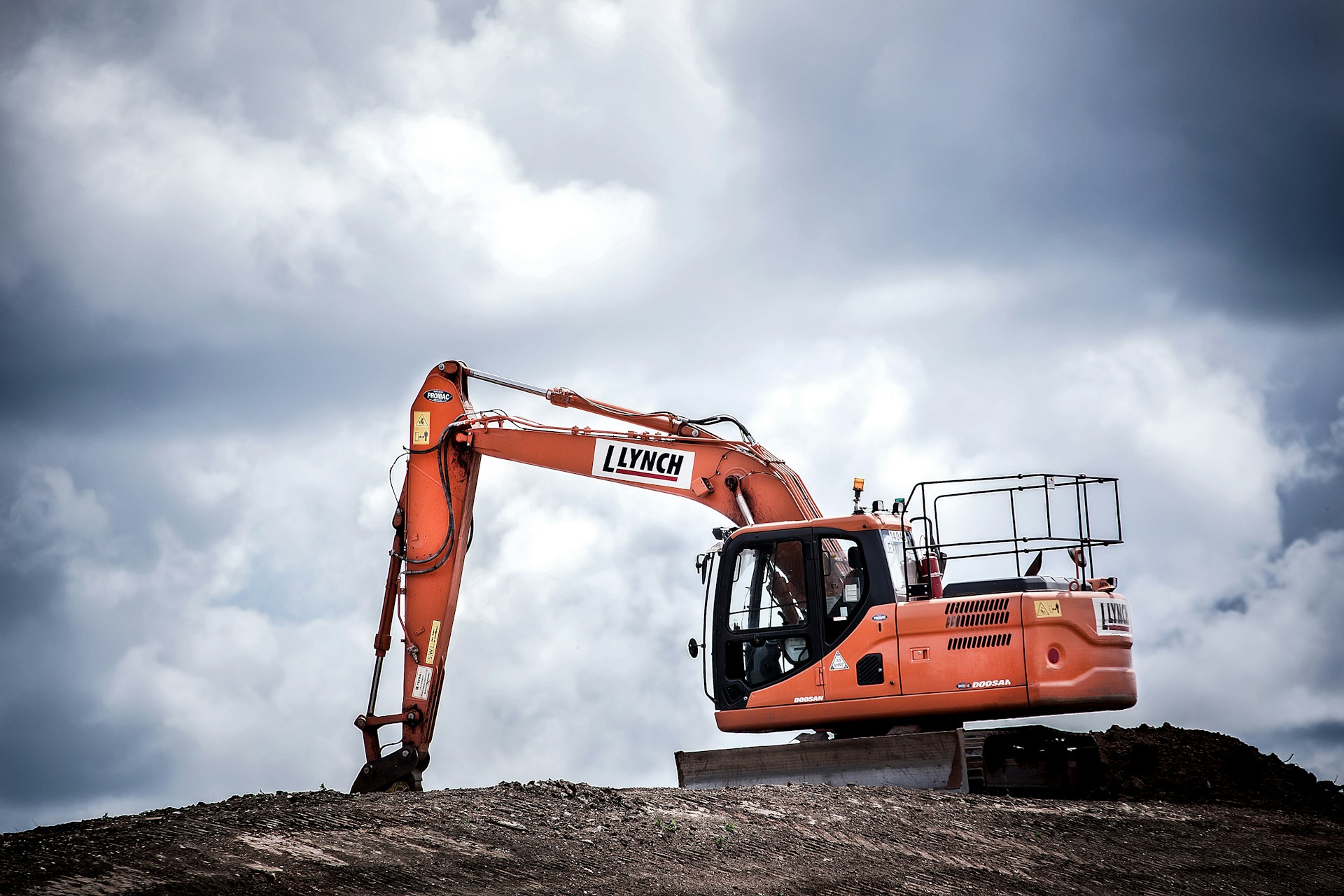
Want to get that shiny new excavator without breaking the bank?
Construction companies face this challenge every day. You need the right equipment to land big jobs and stay competitive. But here’s the thing…
New construction equipment costs a fortune. A single excavator can run you $300,000 or more. That’s why smart contractors look for financing options.
The question is:
Should you lease or should you get a loan?
Both options can help you get the equipment you need. But they work completely differently and can seriously impact your bottom line.
Related Articles
-
 6 Financial Compliance Tips Every Remodeling Contractor Should Kn…
-
Employment Opportunities in the Home Construction Industry
-
Hiring the Right Professionals for Home Improvements
-
Construction Safety Training: A Legal Imperative Under OSHA’s Gen…
-
Understanding Lease vs. Loan for Construction Equipment Financing
-
Top Strategies for Meeting Electrical Safety Regulations Today


Why Construction Equipment Financing Matters
Construction equipment financing isn’t just nice to have anymore.
It’s become essential for most contractors who want to stay in business. According to recent industry data, 85% of construction businesses use some form of financing to acquire their equipment.
That’s huge, right?
The construction equipment finance market has exploded too. It’s projected to reach USD 76.9 billion by 2032, growing at 5.02% annually.
But why are so many contractors choosing financing over paying cash?
Simple.
Cash flow is king in construction. Projects can take months to complete. Getting paid takes even longer. Tying up hundreds of thousands of dollars in equipment can cripple your working capital.
That’s where heavy equipment financing and leasing options come in handy. They let you get the gear you need while keeping cash available for payroll, materials, and unexpected expenses.
Plus, financing offers another big advantage…
Tax benefits.
Both leasing and loan payments can provide tax deductions. But they work differently, which brings us to the main event.
The Real Difference Between Leasing and Loans
Equipment leasing and equipment loans are completely different animals. Understanding the difference can save you serious money.
With equipment leasing:
- You don’t own the equipment
- Lower monthly payments
- Easier to upgrade to newer models
- Tax deductions on lease payments
- Equipment goes back at the end (usually)
With equipment loans:
- You own the equipment after paying it off
- Higher monthly payments
- Keep the equipment as long as you want
- Depreciation and interest tax deductions
- Equipment is yours to sell whenever
The ownership factor changes everything about how these deals work.
Think of leasing like renting an apartment. You get to use it, but you don’t own it. Loans are like getting a mortgage – you’re buying the thing and it becomes yours.
Most contractors don’t realize this fundamental difference. They focus on monthly payment amounts instead of understanding what they’re actually getting.
Here’s the kicker…
According to industry research, leasing remains the most popular method of equipment financing, with 26% of total acquisitions using leases versus 16% using secured loans.
But popular doesn’t always mean best for your situation.
When Leasing Makes Perfect Sense
Leasing isn’t just about lower payments.
It’s about flexibility and staying current with technology. Here are the situations where leasing usually wins:
You Need to Stay Current With Technology
Construction equipment technology moves fast. GPS systems, telematics, fuel efficiency improvements – they’re constantly evolving.
Leasing lets you upgrade every few years without dealing with trade-ins or selling old equipment. You just return it and lease something newer.
Cash Flow is Tight
Lease payments are typically 20-30% lower than loan payments. That extra cash can make the difference between landing a big project and having to pass.
You Don’t Want Maintenance Headaches
Many lease agreements include maintenance packages. The leasing company handles repairs, which means predictable costs and less downtime.
Tax Advantages Work Better
If you’re trying to minimize taxable income, lease payments are usually fully deductible as business expenses. Loan payments? Only the interest portion is deductible.
Equipment Gets Heavy Use
Some equipment gets beaten up fast on job sites. When the lease ends, it becomes the lessor’s problem. You’re not stuck with worn-out machinery.
But leasing isn’t always the smartest choice…
Why Loans Might Be Your Best Bet
Equipment loans have their own advantages that can make them the better deal.
Long-term Cost Savings
Yeah, monthly payments are higher. But you’ll usually pay less total over time compared to leasing the same piece of equipment for several years.
Build Business Equity
Owned equipment shows up as an asset on your balance sheet. This can help when you’re trying to get other financing or sell your business.
No Mileage or Usage Restrictions
Some lease agreements limit how much you can use equipment. With loans, you own it – use it as much as you want.
Modification Freedom
Want to add custom attachments or make modifications? Go for it. It’s your equipment.
Residual Value is Yours
Even beat-up construction equipment often has decent resale value. That money stays in your pocket instead of going to a leasing company.
Current equipment loan rates range from 6-8% for companies with excellent credit to 9-15% for average credit businesses.
Tax Considerations You Can’t Ignore
Here’s something most contractors get wrong…
They don’t factor in tax implications when choosing between leasing and loans.
Lease Tax Benefits:
- Full payment deduction as business expense
- No depreciation calculations needed
- Immediate tax benefit from day one
Loan Tax Benefits:
- Interest payments are deductible
- Equipment depreciation provides deductions
- Section 179 allows up to $1.16 million immediate deduction
- Bonus depreciation can provide additional benefits
The math gets complicated fast. That’s why smart contractors run the numbers with their accountants before deciding.
Making the Right Choice for Your Business
So which option should you pick?
It depends on your specific situation. Here’s a simple framework:
Choose leasing when:
- You need to preserve cash flow
- Equipment technology changes rapidly
- You want predictable monthly expenses
- You prefer to always have newer equipment
- Maintenance costs concern you
Choose loans when:
- You plan to use equipment for many years
- You want to build business equity
- Long-term cost savings matter more than monthly payment amounts
- You need modification flexibility
- The equipment holds its value well
Here’s the thing most people miss…
You don’t have to pick just one approach. Successful contractors often use both. They might lease equipment that becomes outdated quickly (like computerized machinery) while financing durable equipment they’ll use for decades (like dump trucks).
Getting the Best Deal
Whether you choose leasing or loans, shop around. Rates and terms vary dramatically between lenders.
For the best deals:
- Compare offers from multiple lenders
- Negotiate terms, not just interest rates
- Look at total cost, not just monthly payments
Don’t forget to factor in your relationship with the lender. A good finance partner can help you grow your business.
Time to Make Your Move
Construction equipment financing doesn’t have to be complicated.
The key is understanding how leasing and loans work differently, then picking the option that fits your business goals.
Remember the statistics – construction machinery accounts for 78% of financed equipment acquisitions in the industry. You’re not alone in needing financing help.
The right equipment financing strategy can accelerate your business growth while protecting your cash flow.
Take time to evaluate your options. Run the numbers. But don’t let analysis paralysis keep you from getting the equipment you need to win more jobs.
Featured Photo by Luke Besley on Unsplash