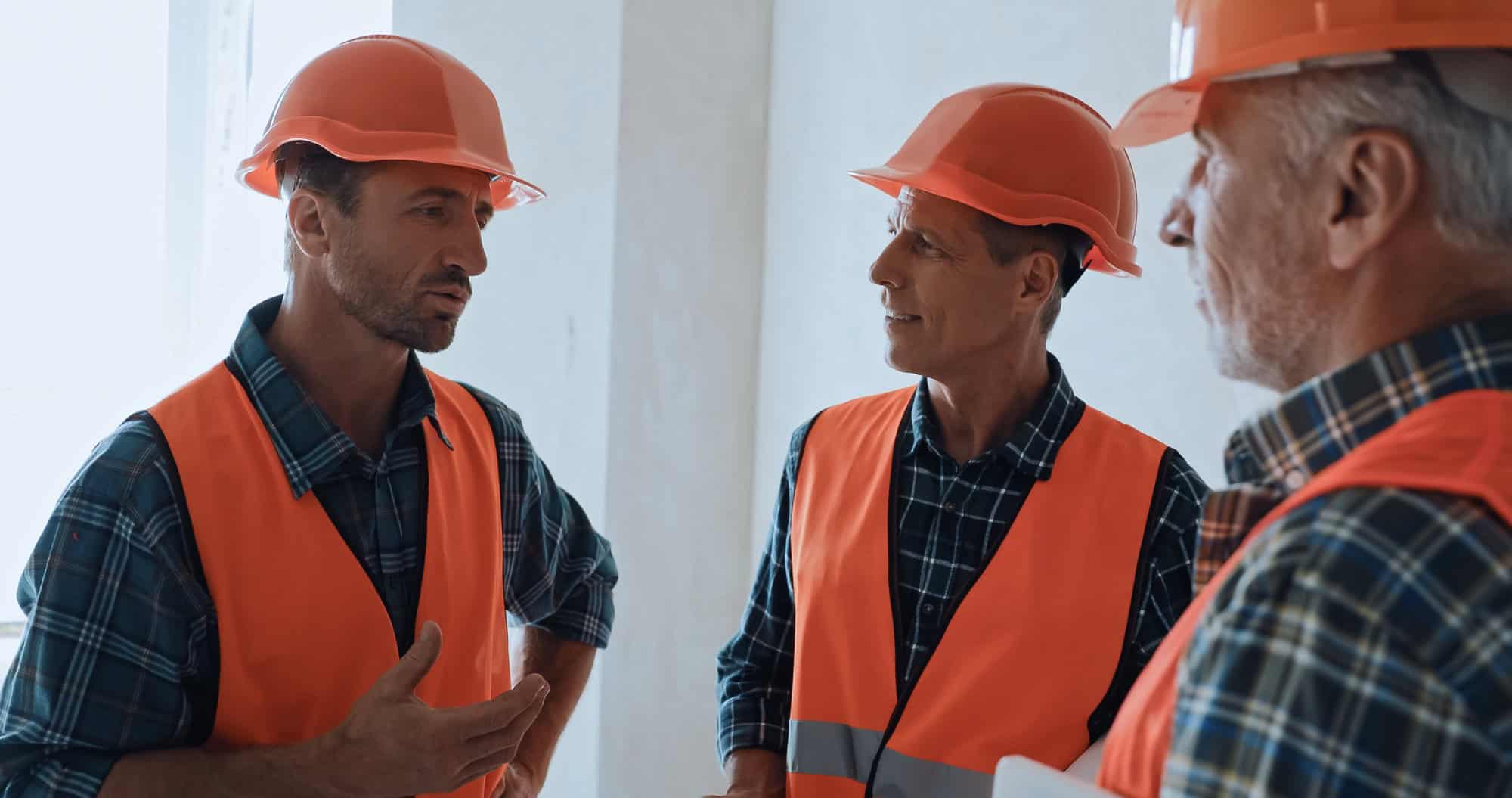
When employers think about compliance, they often focus on policies, contracts, and training. What gets overlooked is the physical workspace itself. The design, layout, and quality of workplace facilities can directly impact safety, accessibility, and employee well-being.
From an employment law perspective, employers are responsible for ensuring that the workplace is suitable for the tasks being performed. This includes everything from proper ventilation and lighting to functional workspaces and safe equipment. Poorly designed or outdated environments can increase the risk of injury, reduce productivity, and create compliance issues over time.
Modern workplace design is no longer just about aesthetics. It is about creating an environment that supports employees while meeting safety and legal standards.
Related Articles
-
 What to Do If Your Employer Ignores Workplace Safety Standards
-
When Safety Isn’t Enough – How Negligence and Legal Loophol…
-
Why Understanding Employment Law Is Essential for Employees
-
How to Prove Workplace Asbestos Exposure in Mesothelioma Cases
-
Reducing Workplace Injuries in Warehousing Through Proactive Meas…
-
Why You Need an Employment Law Attorney for Workplace Safety Issu…


The role of functional workspaces in employee safety
A well-designed workspace helps employees perform their tasks efficiently and safely. In environments such as offices, healthcare settings, or commercial spaces, storage and layout play a major role in reducing clutter and preventing accidents.
For example, properly installed and organized workstations, storage areas, and fixtures like kitchen cabinets Pennsylvania solutions can help keep materials secure and accessible. When everything has its place, employees spend less time navigating hazards and more time focusing on their work.
Disorganized or poorly planned spaces can lead to trips, falls, and unnecessary strain. Employers who invest in functional layouts reduce these risks and create a more productive environment.
Maintaining hygiene and sanitation standards
In many workplaces, especially those involving shared facilities, hygiene is a key part of compliance. Employers must ensure that restrooms, kitchens, and break areas are clean, functional, and properly maintained.
Fixtures such as bathroom vanities Pennsylvania installations are not just cosmetic features. They support sanitation by providing durable, easy-to-clean surfaces and proper storage for hygiene products. When facilities are well-maintained, it reduces the risk of contamination and promotes better health among employees.
Failing to maintain these areas can lead to complaints, health issues, and even regulatory penalties, depending on the industry.
Sourcing reliable materials and suppliers
Another important aspect of workplace infrastructure is the quality of materials used. Low-quality installations may require frequent repairs, increasing both cost and risk.
Employers should work with trusted providers, such as established kitchen cabinet suppliers Pennsylvania, to ensure that installations meet durability and safety standards. Reliable suppliers not only provide better products but also offer guidance on proper installation and maintenance.
Choosing the right materials from the start helps prevent future issues and supports long-term compliance with workplace standards.
Accessibility and inclusive workplace design
Workplace facilities must also be accessible to all employees, including those with disabilities. This includes proper spacing, reachable storage, and fixtures designed for ease of use.
An inclusive design approach ensures that all employees can navigate the workplace safely and comfortably. Employers who fail to consider accessibility may face legal challenges, as well as barriers to productivity and employee satisfaction.
Simple design choices can make a significant difference in how employees interact with their environment.
Reducing liability through proactive upgrades
Outdated facilities can quickly become a liability. Wear and tear, poor layout, or non-compliant installations can all contribute to workplace incidents.
Employers who regularly review and upgrade their facilities are better positioned to prevent problems before they arise. This includes replacing aging fixtures, improving layouts, and ensuring that all installations meet current safety standards.
From a legal standpoint, demonstrating ongoing maintenance and improvement efforts can help show that the employer is actively fulfilling their duty of care.
Building a workplace that supports performance and safety
A well-designed workplace does more than meet compliance requirements. It supports employee performance, improves morale, and creates a more professional environment overall.
When employees have access to clean, organized, and functional facilities, they are more likely to stay focused and engaged. This leads to better outcomes for both the workforce and the business. Employers who take workplace design seriously are not just avoiding risk. They are investing in a stronger, more efficient organization that is built to support long-term success.