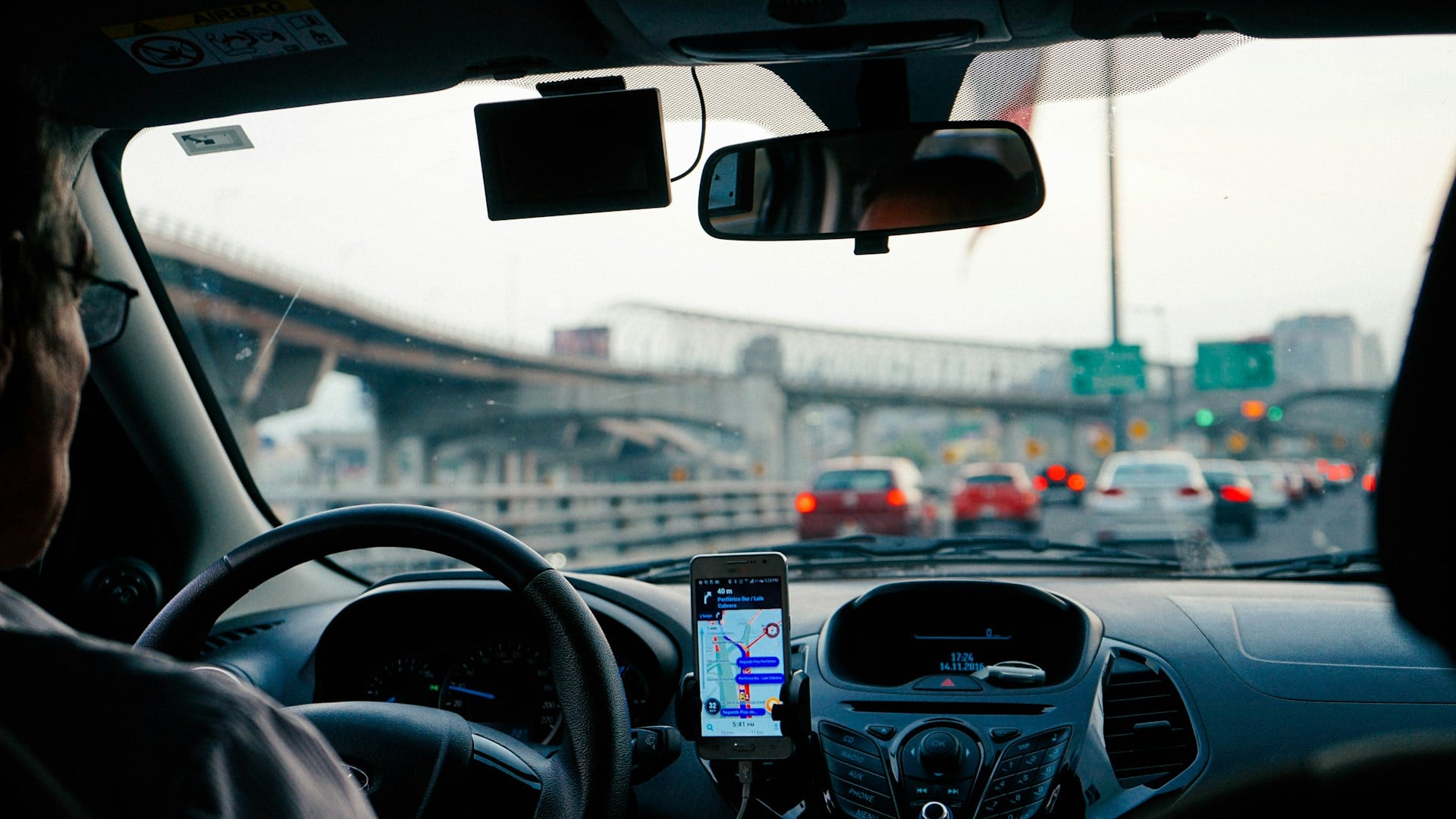
Experiencing a car accident can be terrifying. If you drive for a rideshare company, it can also pose a threat to your livelihood. Many rideshare drivers aren’t sure what to expect in the immediate aftermath of a crash.
After an accident, can you still drive for Uber or Lyft? Here’s a closer look at what rideshare companies and the law say.
Related Articles
-
 How Can a Car Accident Affect Your Job?
-
Understanding the Legal Rights and Options for Victims of 10 Whee…
-
Exploring the Role of Fatigue Monitoring in Preventing Car Accide…
-
How Company Car Accidents Affect Insurance Coverage: What Employe…
-
Reason Why You Must Hire an Auto Accident Lawyer
-
What Happens If I Lose My Job Because of a Car Accident?
-
Determining Fault in a Multi-Vehicle Highway Accident


What Happens After a Rideshare Accident?
If you’re involved in an accident while driving for Uber or Lyft, you must make two separate reports:
- Notify the rideshare company about the accident using the app.
- Report the accident to your insurance company.
Timely reporting is critically important. Even if you weren’t at fault for the crash, Uber and Lyft may deactivate drivers for failing to report an accident or waiting too long to report.
Both apps can detect impacts and sudden, extreme changes in speed, so the rideshare platform may already be aware that you were involved in a possible accident. Once you have reported the accident, you can expect the following to occur:
Temporary Deactivation
If you were recently involved in a rideshare accident and just saw that your account was deactivated, don’t panic! Both Uber and Lyft will automatically suspend your account while they investigate the accident. This is a precautionary measure to ensure they don’t allow dangerous drivers to put passengers at risk.
Unfortunately, there is no set timeline for how long this temporary deactivation lasts. For minor accidents where fault was clear, you may have your account reactivated sooner rather than later. However, if there are questions of liability or the accident was severe, the investigation (and therefore your temporary suspension) could take longer.
Investigation
The rideshare company will begin investigating the crash soon after it receives a report of it. These investigations are usually very thorough, and the rideshare company may collect data from many different sources:
- The police report from your accident
- In-app data
- Dashcam footage (if available)
- Statements from you and other involved drivers
If at all possible, take detailed pictures documenting the scene of the accident and damage to vehicles. Sending these to the rideshare company might help ensure they get a clearer picture of what happened.
Rideshare companies usually have an internal team dedicated to investigating accidents and serious complaints. Their insurance companies will also likely investigate to determine who was at fault.
Decision
Once Uber or Lyft has completed its investigation, it will decide whether to reinstate you as a driver or not.
If your account is deactivated after an accident and you believe the decision was unjust, you can file an appeal within the app. This typically involves submitting an explanation of why you think the deactivation was unfair, as well as any evidence that supports your case.
What Factors Make Permanent Deactivation More Likely?
Uber and Lyft evaluate accidents on a case-by-case basis, so there’s no way to be completely sure that you will or won’t be permanently deactivated after an accident. However, it may be helpful to understand what situations increase your likelihood of a ban:
Multiple Accidents and Moving Violations
If you have an otherwise safe driving record and were just involved in a minor accident, you may not be permanently deactivated from Uber or Lyft. However, both rideshare companies will typically deactivate drivers if they accumulate a certain number of accidents and moving violations:
- Lyft: Three accidents/moving violations in four years
- Uber: Three accidents/moving violations in three years
For example, a fender-bender on its own generally isn’t enough to permanently ban you. However, if you got two speeding tickets last year and just caused an accident while driving for Uber, there’s a good chance your account will be deactivated.
The Accident Involved DUI or a Serious Violation
If you were under the influence of alcohol or drugs at the time of the crash, Uber or Lyft will almost certainly deactivate your account. The same goes for major moving violations. Going slightly higher than the speed limit often isn’t enough to deactivate you, but getting charged with reckless driving or hit-and-run is.
The Accident Caused Serious Injuries or Property Damage
If your accident caused serious injuries or substantial property damage, you may be permanently deactivated. This is even more important when you are at fault.
You Had a History of Unsafe Driving
Even if you don’t have a history of recent moving violations, Uber or Lyft may permanently deactivate you if past rider complaints indicate you may be an unsafe driver.
For example, if two recent passengers complained to Uber and said you were swerving or driving erratically, Uber might choose to permanently deactivate you after a minor accident.
You Failed to Report the Accident
If you don’t promptly report an accident to Uber or Lyft, they might assume you were trying to hide it. Failing to report violates both companies’ terms of service, and it usually leads to deactivation.
Is It Illegal to Keep Working After an Uber or Lyft Accident?
No law bans rideshare drivers from working after an accident. However, Uber and Lyft will almost always deactivate a driver’s account while they investigate the crash.
Unless the driver presents a significant safety risk, their account will typically be reactivated, and they can begin driving again.
However, if the rideshare company does not temporarily deactivate your account after a crash, there are two situations where it might be illegal to keep working:
If Your License Was Suspended
In many cases, license suspensions for moving violations happen after a conviction. However, if you were arrested for DWI or DUI at the scene of the accident, your license will typically be administratively suspended, meaning it is illegal for you to drive.
If Your Car Is Too Damaged to Operate Properly
It’s not illegal to drive a vehicle with a few scratches or other cosmetic damage. However, if your car was damaged in the accident and you go right back to driving, you could be breaking the law.
Depending on your jurisdiction, it could be illegal to drive your vehicle with these types of damage:
- Large windshield cracks
- Broken headlights or taillights
- Missing mirrors
- Major damage to the frame
Uber and Lyft will sometimes ask you to provide proof that you fixed your car after a crash before they reactivate your account.
When in doubt, it’s best to fix your vehicle before you start driving for the rideshare company again. Even if it’s technically legal to drive with mild vehicle damage, you could still be putting yourself and your passengers at risk.
Can You Talk to a Lawyer if You’re Permanently Deactivated?
If you’ve been permanently deactivated from Uber or Lyft and believe your deactivation was unjust, it’s a good idea to consult an attorney. Seeking legal help can’t guarantee that your account will be reinstated, but a knowledgeable lawyer can assess your situation and determine whether you have a case or not.
Understanding What Happens After a Crash
Unless your license is suspended or your car is seriously damaged, it’s generally not illegal to keep working after an accident. However, the rideshare company may temporarily stop you from working while it investigates. Dealing with this process can be intensely stressful. But when you have an idea of what to expect and understand that you can seek legal help if you’re unjustly deactivated, it becomes much easier to navigate.