Suffering an injury at work initiates a well-understood process: filing a workers’ compensation claim. This system can provide crucial benefits for medical care and a portion of lost wages, regardless of who was at fault for the incident. However, many injured employees don’t realize that workers’ compensation is typically not the sole avenue for financial recovery. In many workplace accidents, a third party, an entity other than the employer or a co-worker, may bear legal responsibility for the injuries sustained.
This guide provides an overview of third-party claims, explaining their circumstances, the types of compensation available, and the intricate process of navigating a claim alongside an existing workers’ compensation case.
Related Articles
-
 Employer Liability in Workplace Accidents: Understanding the Lega…
-
I Got Bit By a Dog at Work – What Do I Do?
-
Can I Sue My Employer for Negligence?
-
What to Do If You’re Hurt On the Job
-
What to Do If You’re Injured On the Job?
-
Guide to Workplace Accidents
-
I Was Injured at Work. What Are My Legal Rights?
-
How Does Workers Compensation Work


Understanding Third-Party Liability in Workplace Injuries
A third-party claim is a civil lawsuit filed against an individual or organization whose negligence or wrongful actions contributed to the worker’s injury. The key distinction is that the at-fault party isn’t the employer or a fellow employee. Workers’ compensation laws generally protect employers from direct lawsuits, but don’t extend that protection to outside entities.
Common scenarios where a third-party claim may arise include:
- Motor Vehicle Accidents: An employee driving as part of their job is hit by a negligent driver.
- Premises Liability: An injury occurs on property owned or controlled by someone other than the employer due to unsafe conditions.
- Defective Products: Malfunctioning equipment, tools, or machinery causes an injury. The manufacturer, distributor, or installer of that product could be held liable.
- Contractor Negligence: On a multi-employer worksite, an employee of one company is injured due to the careless actions of an employee from a different subcontracting company.
Pursuing a third-party claim can be a complex but vital process to secure full and fair compensation, a task for which consulting a reliable accident lawyer in San Juan Capistrano and other similar locations is typically indispensable.
The Interplay Between Workers’ Comp and a Third-Party Claim
An injured employee is generally entitled to pursue both workers’ compensation benefits and a third-party lawsuit simultaneously. This isn’t considered double-dipping. Instead, the two systems can work in tandem but serve different purposes. Workers’ compensation can provide immediate, no-fault benefits typically limited to medical expenses and a percentage of lost wages.
However, a critical legal concept known as “subrogation” comes into play. Insurance carriers that pay workers’ compensation benefits can be reimbursed from any recovery obtained in a third-party case. Suppose an injured worker receives a settlement from a third party. In that case, the workers’ compensation insurance carrier is entitled to a line on those proceeds to recoup the benefits it has already paid.
Types of Compensation Available in a Third-Party Claim
The primary advantage of a successful third-party lawsuit is the access to a broader range of damages than what workers’ compensation provides. These damages are intended to make the injured party whole and can include:
Economic Damages
These are quantifiable financial losses. They include all past and future medical expenses related to the injury, complete lost wages (both past and future), and any loss of earning capacity.
Non-Economic Damages
This category compensates for an injury’s intangible, yet significant, consequences. It includes compensation for physical pain and suffering, mental anguish, emotional distress, loss of enjoyment of life, and loss of consortium or impact on familial relationships.
Punitive Damages
In rare cases where the third party’s conduct was exceptionally reckless, malicious, or fraudulent, a court may award punitive damages. These are meant to punish the wrongdoer and deter similar conduct in the future.
The Importance of Legal Representation
Navigating a third-party claim while managing a workers’ compensation case can be legally intricate. Insurance companies for the third party will have legal teams focused on minimizing their payout. Furthermore, negotiating the workers’ compensation lien requires a sophisticated understanding of negotiation tactics and state law to ensure the final settlement can provide meaningful additional recovery for the injured worker.
An experienced personal injury attorney specializes in investigating accidents, identifying all potentially liable parties, gathering compelling evidence, negotiating with multiple insurance companies, and navigating the subrogation process. Their expertise can be crucial in building a strong case that accurately values economic and non-economic damages, ensuring the injured employee’s rights are fully protected.
Steps to Take Following a Workplace Injury
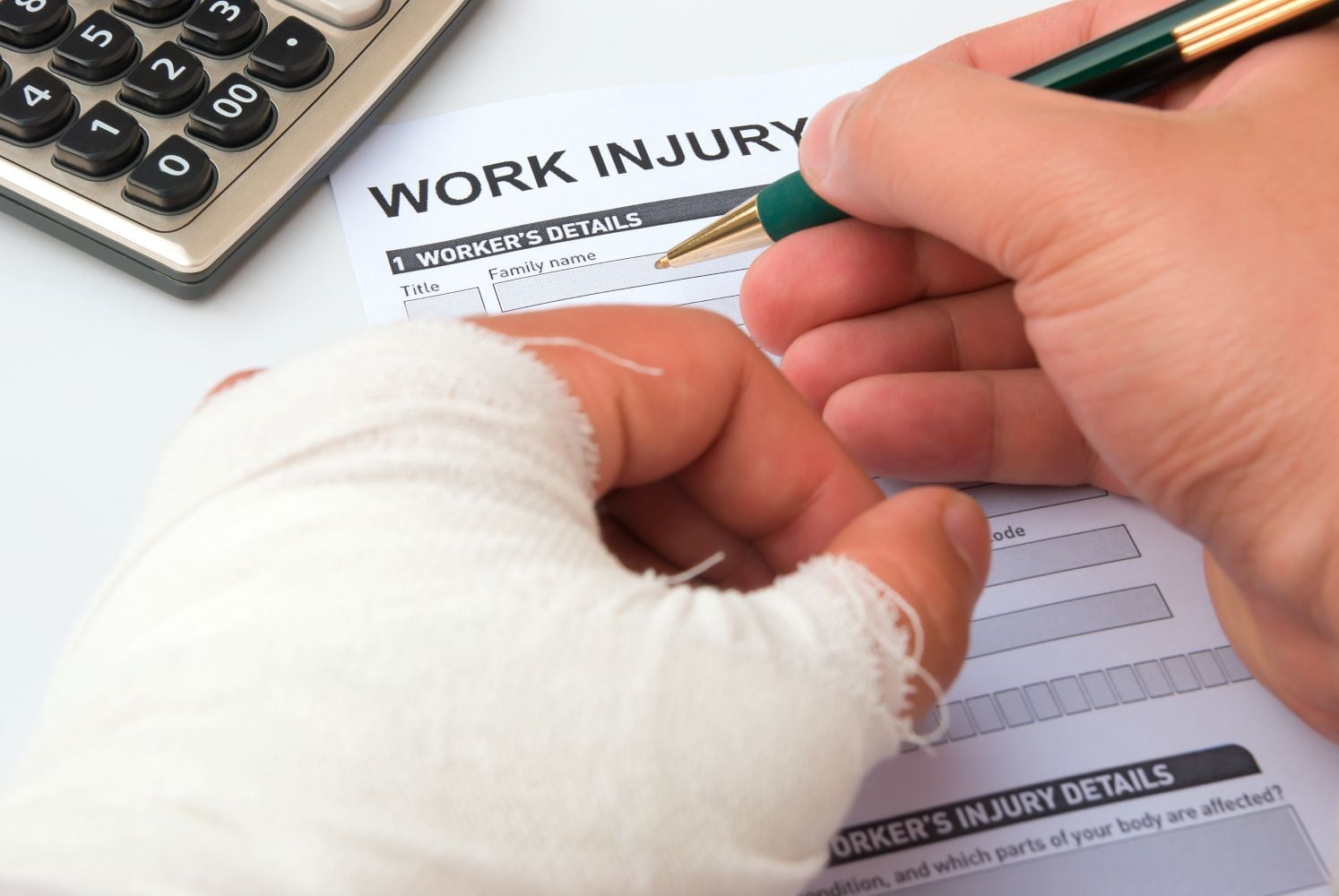
To protect the right to file both a workers’ compensation claims and a potential third-party lawsuit, injured employees should take specific steps, such as:
- Seek Immediate Medical Attention: Health is the priority. A medical record can also create an essential document linking the injury to the workplace event.
- Report the Injury to the Employer: Injured employees should follow company protocol for reporting a work injury promptly and in writing.
- Document Everything: If possible, injured parties are advised to take photographs of the accident scene, the hazardous condition, and any visible injuries. Obtaining names and contact information of any witnesses, including those not employed by the same company, is also crucial.
- Preserve Evidence: If a defective product is involved, injured employees must ensure it’s kept safe and not discarded.
- Consult an Attorney Before Providing Statements: It’s essential to be cautious when providing recorded statements to any insurance adjuster, particularly those representing a third party. It is highly advisable to seek legal counsel first.
Understanding the option of a third-party claim can empower injured workers to seek comprehensive compensation that fully addresses the impact of their injuries, moving beyond the limited safety net of workers’ compensation alone.
Conclusion
While workers’ compensation can provide essential immediate benefits, it may not fully address the long-term financial and personal impact of a serious workplace injury. A third-party claim is a critical legal avenue to pursue complete justice and compensation from those outside the employment relationship whose negligence caused harm. By keeping the information mentioned above in mind, injured employees can protect their rights and achieve the most comprehensive recovery possible, safeguarding their future well-being and financial stability.