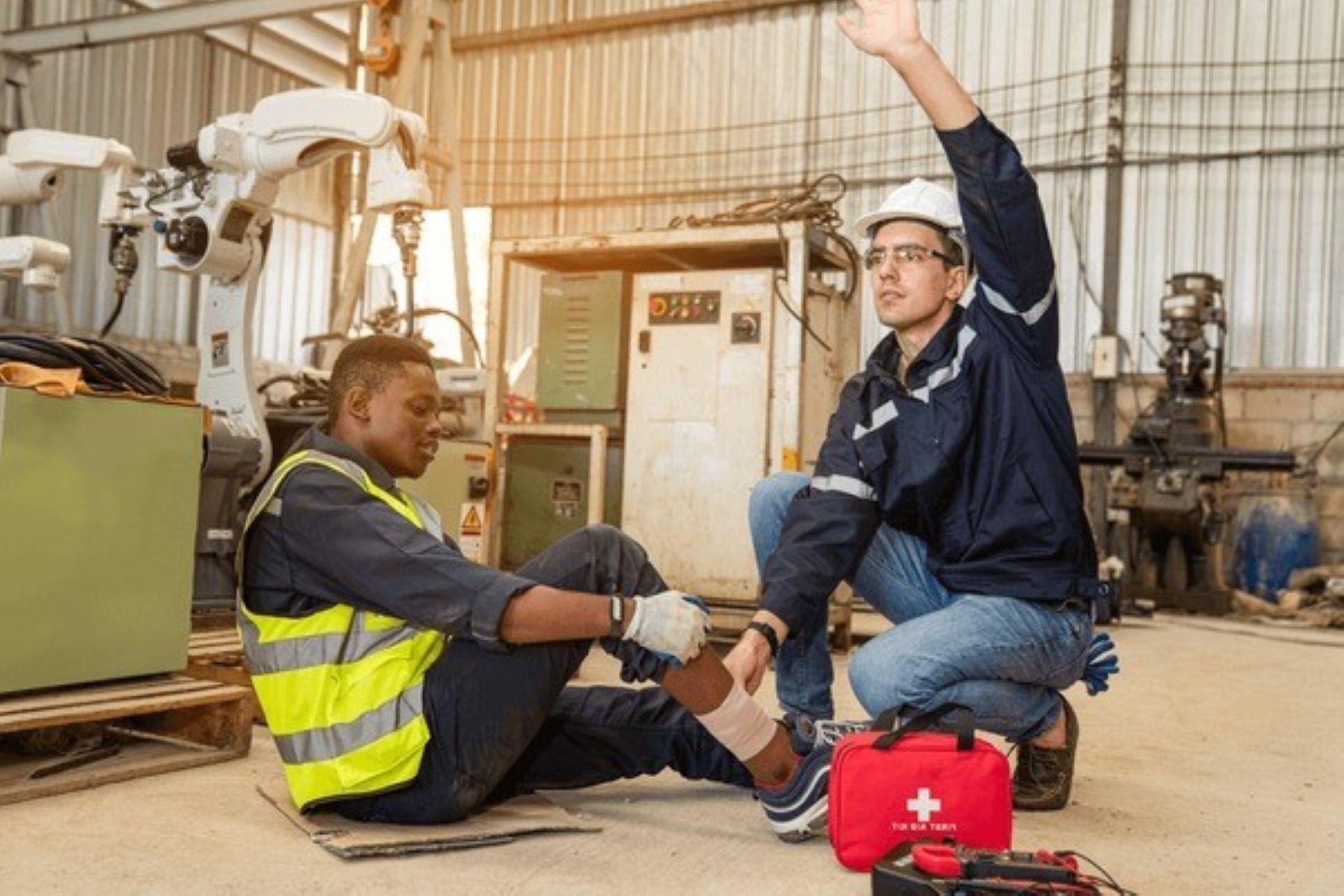
Amputation injuries are life-changing, whether you’re in Las Vegas or anywhere else. Don’t let anyone tell you otherwise. Whether you lost a finger or a whole hand from your Las Vegas job, the emotional, financial, and physical impact can last forever.
In Las Vegas, where industries like construction, hospitality, manufacturing, and entertainment rely heavily on physical labor, the risk of serious workplace injuries is real. Behind the glamour of the Strip are workers operating heavy machinery, handling sharp tools, and navigating fast-paced, high-risk environments. One misstep, one unguarded machine, and life changes in an instant.
Don’t rush into accepting the first settlement. Don’t assume workers’ comp is all you can get. And don’t think you’re being difficult for demanding what’s fair. Start by talking to a Las Vegas amputation injury lawyer who knows how to handle cases like yours. A good lawyer understands not just the medical side of your injury, but the legal and emotional stakes too.


What You Should Do Right After a Workplace Amputation
Here are the steps you should take if you ever have a limb amputated at work:
- Get immediate medical attention, even if your employer suggests waiting. You need official documentation from the very beginning.
- Report the injury to your employer in writing. Stick to the facts. Don’t admit fault or guess how it happened.
- Find out which doctors are approved under your employer’s workers’ comp policy. If you go to the wrong one, your bills might not be covered.
- Document everything, including every treatment, every conversation with HR, and every symptom that you experience. Keep photos of the injury if possible.
- Consult a lawyer promptly, especially if you suspect that defective equipment or unsafe conditions contributed to the incident.
Workers’ Compensation Helps, But Not Always Enough
Yes, workers’ compensation is intended to help cover medical costs, lost wages, and a portion of long-term disability. But workers’ comp can fall short:
- It usually only covers a portion of lost wages, not the full salary.
- It won’t always cover the full cost of prosthetics or physical therapy.
- It typically does not include pain and suffering.
- If your job requires full hand function and you can’t return, you may be forced into lower-paying work, and the system doesn’t constantly adjust your payout to reflect that.
- In many cases, it ignores who was at fault, especially if it’s not your direct employer.
Could Someone Else Be Legally Responsible?
Many injured workers assume they can only pursue workers’ compensation, but that’s not always the case. If a third party contributed to the accident, there may be another legal path: a personal injury claim.
This might apply if:
- A manufacturer made a defective machine that malfunctioned.
- A subcontractor or outside company failed to repair or inspect equipment properly.
- A rented machine came without the proper safety guards or warnings.
Third-party injury claims can lead to broader compensation, such as:
- Full wage replacement (not just partial).
- Coverage for future surgeries, prosthetics, and rehab.
- Compensation for pain and suffering.
- Damages for loss of enjoyment of life.
These claims are often overlooked because workers are unaware of how to make a claim. However, a good lawyer will ask all the right questions and thoroughly investigate what caused the accident.