
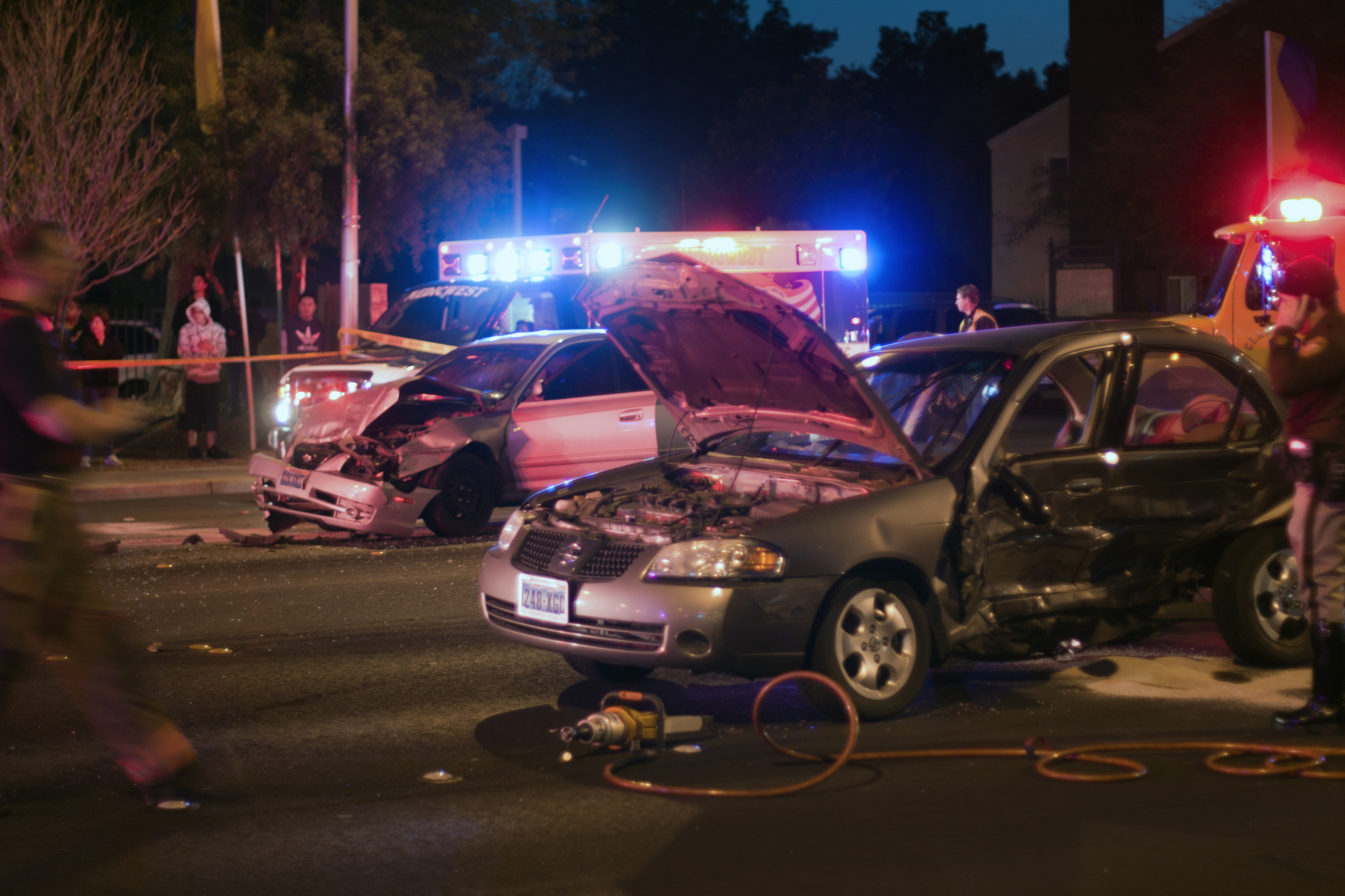
Reno is a city where busy roadways, growing neighborhoods, and steady economic activity keep thousands of residents on the move every day. From daily commutes and business travel to weekend trips across the region, traffic is a constant part of life, making collisions an unfortunate reality for some drivers. While many people assume that one clearly negligent motorist causes a crash, the truth is often more complicated. Accidents can develop through a chain of decisions made by multiple drivers within seconds, which raises difficult questions about responsibility and compensation.
For injured individuals, understanding how fault is shared can be critical because it directly affects the outcome of their insurance claim or lawsuit. Determining who contributed to a crash requires a careful review of evidence, witness accounts, and the circumstances leading up to the impact. A knowledgeable Reno car accident lawyer can help injured victims understand their rights when liability is divided among multiple parties.
- Why Shared Fault Changes a Claim
- How Nevada Divides Responsibility
- Common Shared-Fault Scenarios
- Insurance Companies Look for Leverage
- Evidence Shapes Fault Percentages
- Records That Often Matter Most
- Damages Do Not Disappear Automatically
- Timing Can Affect the Outcome
- Fault Can Shift During a Case
- Conclusion
Related Articles
-
 How Can a Car Accident Affect Your Job?
-
 Understanding the Legal Rights and Options for Victims of 10 Whee…
-
 Exploring the Role of Fatigue Monitoring in Preventing Car Accide…
-
 How Company Car Accidents Affect Insurance Coverage: What Employe…
-
Reason Why You Must Hire an Auto Accident Lawyer
-
What Happens If I Lose My Job Because of a Car Accident?
-
Determining Fault in a Multi-Vehicle Highway Accident


Why Shared Fault Changes a Claim
Shared fault changes the value of a case because every percentage point can reduce what an injured person receives. Insurers study speed, spacing, visibility, and driver choices before impact. In that setting, a lawyer may help sort through local fault rules, preserve evidence at the scene, and explain how several actions fit into a single harmful event without letting a partial story harden into accepted fact.
How Nevada Divides Responsibility
Nevada uses modified comparative negligence. An injured person may recover damages if that person is less at fault than the party being blamed. Any recovery is reduced by that assigned share. A driver found 25 percent responsible may still seek 75 percent of proven losses. For that reason, small factual disputes matter. A few seconds of conduct can change liability, settlement posture, and the final amount paid.
Common Shared-Fault Scenarios
Many shared-fault cases start with ordinary traffic errors. A rear-end collision may involve sudden braking by one motorist and a short following distance by another. Intersections often produce mixed blame when one vehicle turns late while cross traffic enters too quickly. Wet pavement can make chain reactions worse because each driver has less control over braking. Those combined failures often create a record where no single act explains the whole crash.
Insurance Companies Look for Leverage
Claims adjusters rarely view a collision through one lens. They search for facts that shift blame, even slightly, because a lower payout often follows. Phone use, poor tires, delayed reaction, or unsafe lane movement may become central themes. Early comments can also carry weight. A tired statement given roadside, before pain settles or witnesses are found, may later be framed as a clear admission against interest.
Evidence Shapes Fault Percentages
Evidence usually decides whether fault is shared fairly or stretched beyond what the record supports. Physical marks on pavement, crush damage, debris spread, and camera footage can show movement with more precision than memory alone. Medical records matter too, because they connect injury timing to collision force. Neutral witnesses often help when drivers disagree. A thorough file makes it harder for any carrier to assign blame without support.
Records That Often Matter Most
Photographs taken right away can preserve lane position, weather, lighting, and nearby signs before conditions change. Police reports may capture early observations, though they are not always final. Repair estimates can show where contact began and how force traveled through each vehicle. Phone records may matter if a distraction is raised. Each item has limits, yet together they can correct an incomplete or unfair account of what occurred.
Damages Do Not Disappear Automatically
Shared fault does not erase a claim. It changes how much money may be recovered after the percentages are applied. Losses may include emergency treatment, follow-up care, missed wages, reduced earning capacity, property repair, and physical pain tied to trauma. In multi-driver crashes, several insurers may dispute who pays which portion. That dispute can slow progress and make organized proof far more important during negotiations.
Timing Can Affect the Outcome
Time matters in these cases for practical and legal reasons. Witnesses’ memories fade, damaged vehicles are repaired, and security footage may disappear within days. Prompt medical care also helps connect symptoms to the collision rather than a later event. Nevada filing deadlines carry real force as well. Quick action does not mean haste. It means preserving facts while they are still available and before key details begin to blur.
Fault Can Shift During a Case
Initial blame decisions are often rough estimates, not final answers. Later evidence can change how responsibility is divided. First, a driver seen as careless may appear reasonable after a video review, an engineer’s analysis, or a new witness statement. That pattern shows up often in chain-reaction crashes. Percentages can move as facts develop, which is why steady case review matters from the first report through settlement talks or trial.
Conclusion
When several drivers share fault, the case becomes a measured analysis of conduct, timing, and proof. Liability is no longer a simple yes-or-no question because each assigned percentage can affect treatment costs, wage loss recovery, and settlement value. Nevada law still allows compensation in many mixed-fault claims, but results depend on reliable evidence and a coherent account. Careful documentation and prompt medical attention often give injured people the strongest footing after a serious crash.

