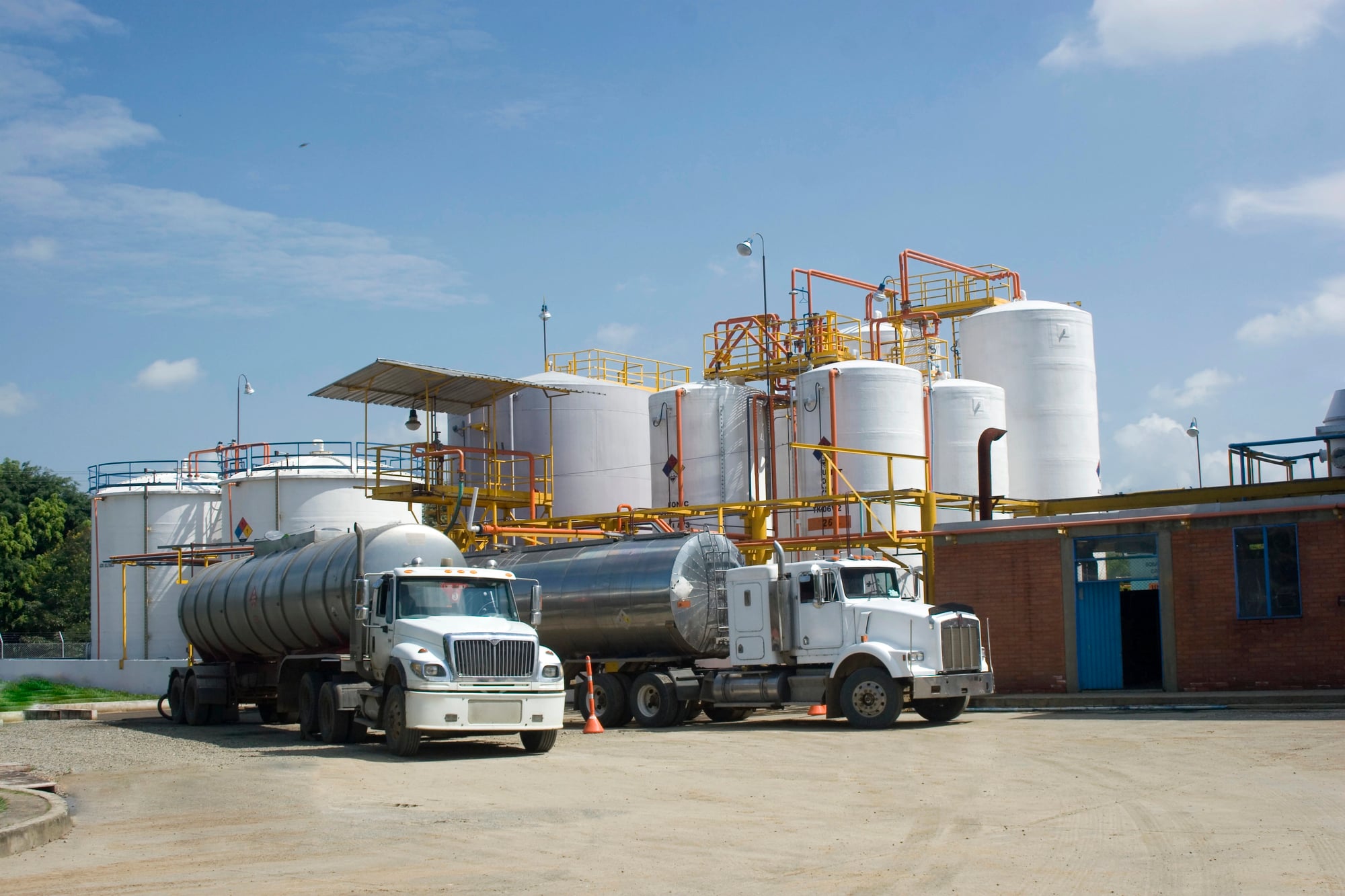
Working with chemicals is part of daily life for thousands of employees in Houston — from warehouse workers and lab technicians to manufacturing crews and refinery teams. And while workplaces are required to follow safety rules, the truth is that chemical exposure risks don’t disappear just because training exists. A small mistake, a damaged container, improper ventilation, or a rushed process can lead to serious consequences.
Many workers assume chemical accidents are rare. But chemical-related injuries remain one of the most common workplace hazards. Burns, respiratory irritation, explosions, skin reactions, and long-term health issues can all arise when harmful substances aren’t handled properly or when safety measures slip.
Whether you’re new to a chemical-handling role or you’ve been doing it for years, understanding the risks and staying proactive is essential. Having said that, below is a worker-friendly rulebook to help you stay safer and more confident on the job.


1. Know the Chemicals You’re Working With
Every workplace that uses chemicals is legally required to maintain safety sheets and hazard information. But many workers receive this information once during onboarding and hardly revisit it again — which can create dangerous blind spots.
Before handling any chemical, you should know:
- What the substance can do to your skin, eyes, and lungs.
- How it reacts when heated, mixed, or spilled.
- Whether it can create flammable vapors.
- Required PPE (gloves, goggles, respirators, clothing).
- What immediate actions should be taken after exposure?
Understanding the full profile of a chemical isn’t just a formality — it’s your first line of defense. Workers who know what they’re handling can make smarter choices, recognize early warning signs, and prevent small mistakes from turning into major incidents.
Chemical behavior varies widely. Some vapors cause harm before you can even smell them, while others can ignite from a tiny spark. When you know what you’re dealing with, you stay ahead of the risk.
2. What to Do When Safety Breaks Down
Even when you follow all protocols, chemical accidents sometimes occur because of equipment failure, missing protections, or overlooked hazards. If an incident does happen — a spill, a fire, or a sudden explosion — knowing your next steps is crucial.
This is also the point where many employees discover how overwhelming the aftermath can be. Chemical injuries often require:
- Medical documentation,
- Incident reports,
- Workplace investigations, and
- Sometimes, there are long recovery periods.
Moreover, if the situation involves negligence or unsafe conditions, workers may need experienced legal support to protect their rights. This is where reaching out to an experienced chemical explosion lawyer in Houston, such as the specialists at Davis Law Group, becomes incredibly valuable. These professionals help injured workers understand their options, gather evidence, and navigate complex claims processes — especially when an employer or third party may be responsible.
You don’t need to be in a courtroom to benefit from legal clarity. The goal is to protect yourself, secure proper compensation, and ensure unsafe conditions are corrected so others don’t get hurt.
3. PPE Isn’t Optional
Personal protective equipment can feel burdensome — hot gloves, tight goggles, uncomfortable respirators — but PPE is what stands between your body and potentially severe harm.
Workers should always check:
- Whether gloves are chemical-appropriate (not all materials protect the same).
- If respirators are fitted correctly.
- Those goggles fully seal around the eyes.
- Clothing covers exposed skin.
- Footwear protects against spills and slipping hazards.
A single shift of ignoring PPE can create long-term damage. Even small splashes that feel “minor” can cause delayed skin injuries or respiratory irritation that worsens over time.
Good employers provide proper equipment — but great employees use it consistently.
4. Stay Alert to Workplace Conditions
Many chemical accidents don’t happen because of a mistake — they happen because the environment itself shifts. Temperature, humidity, ventilation, static electricity, or equipment vibration can all increase risk.
Stay aware of:
- Unusual smells or sudden absence of odor.
- Changes in pressure, heat, or airflow.
- Containers that look swollen, dusty, or corroded.
- Discoloration, settling, or separation in chemical containers.
- Damp floors, poor lighting, or blocked exits.
Even small differences can signal bigger problems. Reporting hazards early is one of the strongest protections you have — not just for yourself, but for everyone else in the workspace.
Final Thoughts
Working around chemicals doesn’t have to feel overwhelming — but it does require awareness, consistency, and proactive habits. By understanding your materials, using proper protective equipment, staying alert to changes, and knowing emergency procedures, you protect not only yourself but the entire team around you. And if a chemical incident ever does occur, whether it’s exposure, a burn, or an explosion, don’t navigate the aftermath alone. Workers deserve guidance, medical support, and clarity — especially when injuries impact long-term health or job stability.