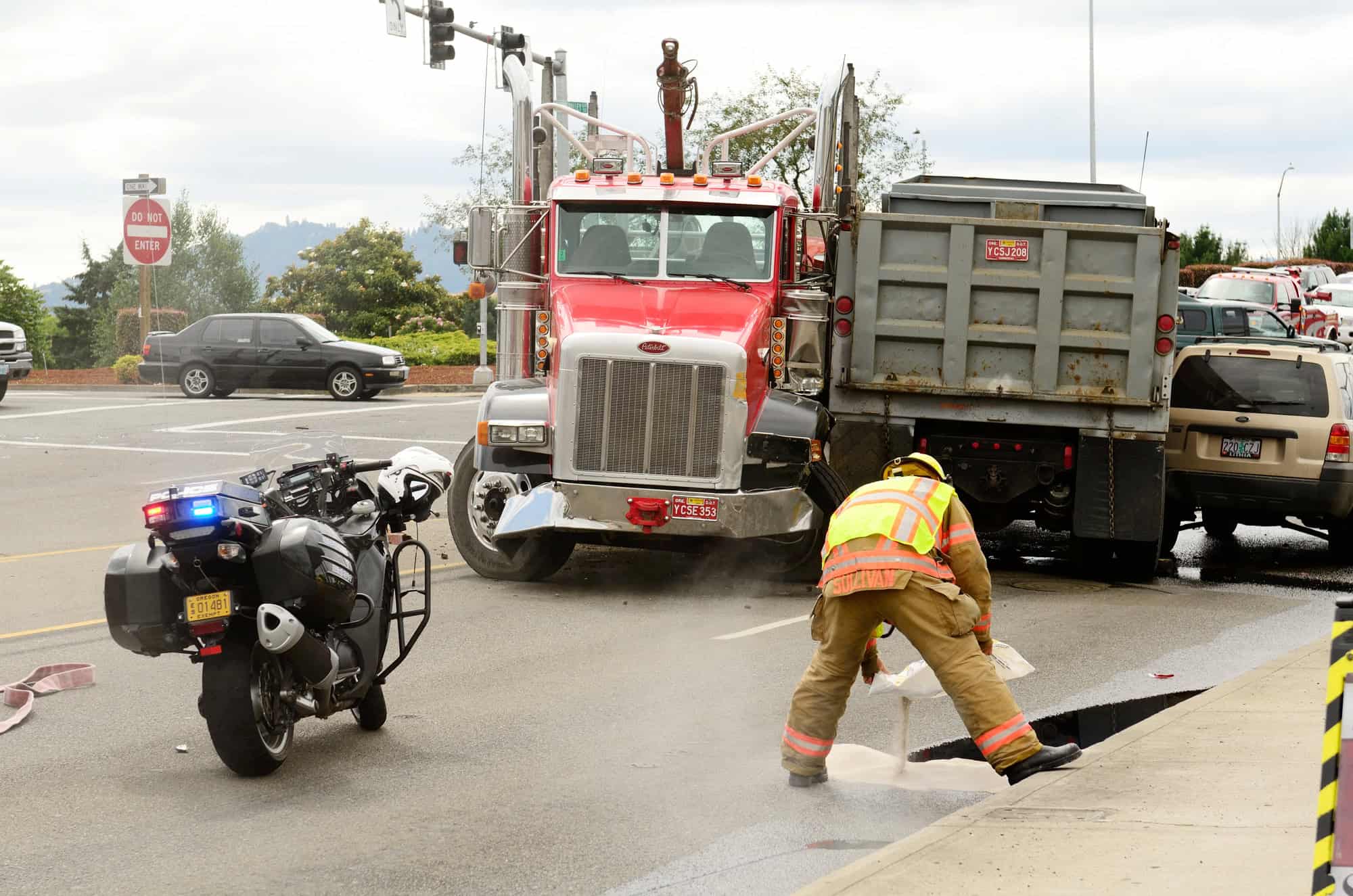
Stamford serves as a major transportation and business center in Connecticut, with busy highways, commercial corridors, and a constant flow of freight traffic moving through the region each day. Its strategic location along key travel routes means that large commercial trucks regularly share the road with commuters, families, and local drivers. While any motor vehicle collision can result in serious consequences, crashes involving commercial trucks often pose unique challenges beyond those in typical injury claims. The size, weight, and operational demands of these vehicles can lead to more severe injuries and more complicated investigations when an accident occurs.
In many situations, determining responsibility requires a closer examination of business practices, regulatory compliance, and the actions of multiple parties connected to the trucking operation. These additional layers can make the legal process far more complex than many accident victims initially expect. For individuals seeking guidance after a serious collision, a Skiber Law truck accident lawyer in Stamford can help navigate these complexities and pursue compensation based on a thorough investigation of the facts.
Related Articles
-
 Who’s Liable and How to Seek Compensation for Dump Truck Ac…
-
 How Truck Accident Lawyers Stand Up for Victims after a Crash
-
 How to Prove Fault in a Truck Accident Case
-
 How Truck Driver Employment Status Affects Legal Claims
-
 Essential Steps to Take Following a Truck Accident
-
 Common Reasons Why Truck Accidents Happen
-
 What to consider when in an accident with a truck
Commercial Vehicles Change the Claim
After a Stamford collision involving a commercial truck, the claim often turns on more than driver conduct. Logs, inspection reports, cargo records, and dispatch instructions may show how the crash developed. Someone injured may speak with a truck accident lawyer about liability, deadlines, insurance coverage, and evidence before the carrier controls the record.
More Parties May Share Fault
Truck claims often involve several responsible parties. The driver may have been tired, distracted, or poorly trained. A carrier might have ignored safety warnings or pressured deliveries. A repair shop may have missed brake wear. Loaders can pose a danger due to uneven cargo weight. Each added party changes the proof needed and the insurance available.
Federal Rules Matter
Commercial trucking is regulated by federal and state safety rules. These standards address driving hours, inspection duties, weight limits, drug testing, and maintenance records. A violation can support a negligence claim. Unlike many car cases, a truck matter may require business files, electronic logging data, dispatch notes, and repair history.
Evidence Can Disappear Fast
Important proof is often held by the trucking company. That material may include dash camera footage, onboard data, repair logs, route records, and driver messages. Some records are retained for short periods. A preservation letter can help protect them. Waiting too long may weaken the case before treatment needs are fully known.
Insurance Is More Layered
A passenger vehicle claim may involve one policy. A trucking case can include commercial liability coverage, umbrella insurance, employer coverage, and cargo-related policies. Insurers may argue over which coverage applies. They may also shift blame between businesses. Finding every available policy matters because missed coverage can reduce recovery.
Company Defenses Are Stronger
Trucking companies often act within hours after a crash. Their representatives may inspect vehicles, interview witnesses, and contact insurers while injured people are still in emergency care. That timing imbalance matters. A thorough investigation can gather police reports, medical records, scene photos, witness statements, and expert analysis before the record narrows.
Damage Calculations Need Detail
Truck crash losses can extend beyond the first hospital bill. A complete claim may include rehabilitation, future procedures, medication, home modifications, lost benefits, and reduced career options. Non-economic harm also matters. Pain, anxiety, sleep disruption, and lost independence can affect value. Doctors, employers, and family members can help document those changes.
Expert Review Is Common
Many truck cases require trained reviewers. Accident reconstruction specialists can explain speed, braking, impact angles, and sight lines. Medical experts may assess future care needs. Economic experts can calculate wage loss and earning limits. Their work can turn scattered records into clear proof and challenge weak settlement positions.
Deadlines Still Control
Even a strong claim can fail if deadlines are missed. Connecticut injury cases have filing limits, and special notice rules may apply in certain situations. Evidence deadlines can matter as much as court dates. Prompt action helps preserve records, identify defendants, and protect rights before insurers shape the facts.
Settlement Pressure Is Different
Truck insurers may offer quick payment after a serious crash. Early money can feel necessary, especially when bills arrive, and income is reduced. Yet a quick settlement may overlook future treatment or permanent work limitations. Once a release is signed, more payments are usually unavailable. Careful review helps prevent undervaluation.
Conclusion
Truck accident cases differ from other injury claims because they involve severe injuries, commercial safety rules, business records, and layered insurance coverage. These claims require fast evidence preservation and careful review of every possible source of fault. A car crash claim may be direct, but a trucking case often needs deeper investigation. Clear documentation, qualified experts, and timely action can support a stronger demand for fair recovery.