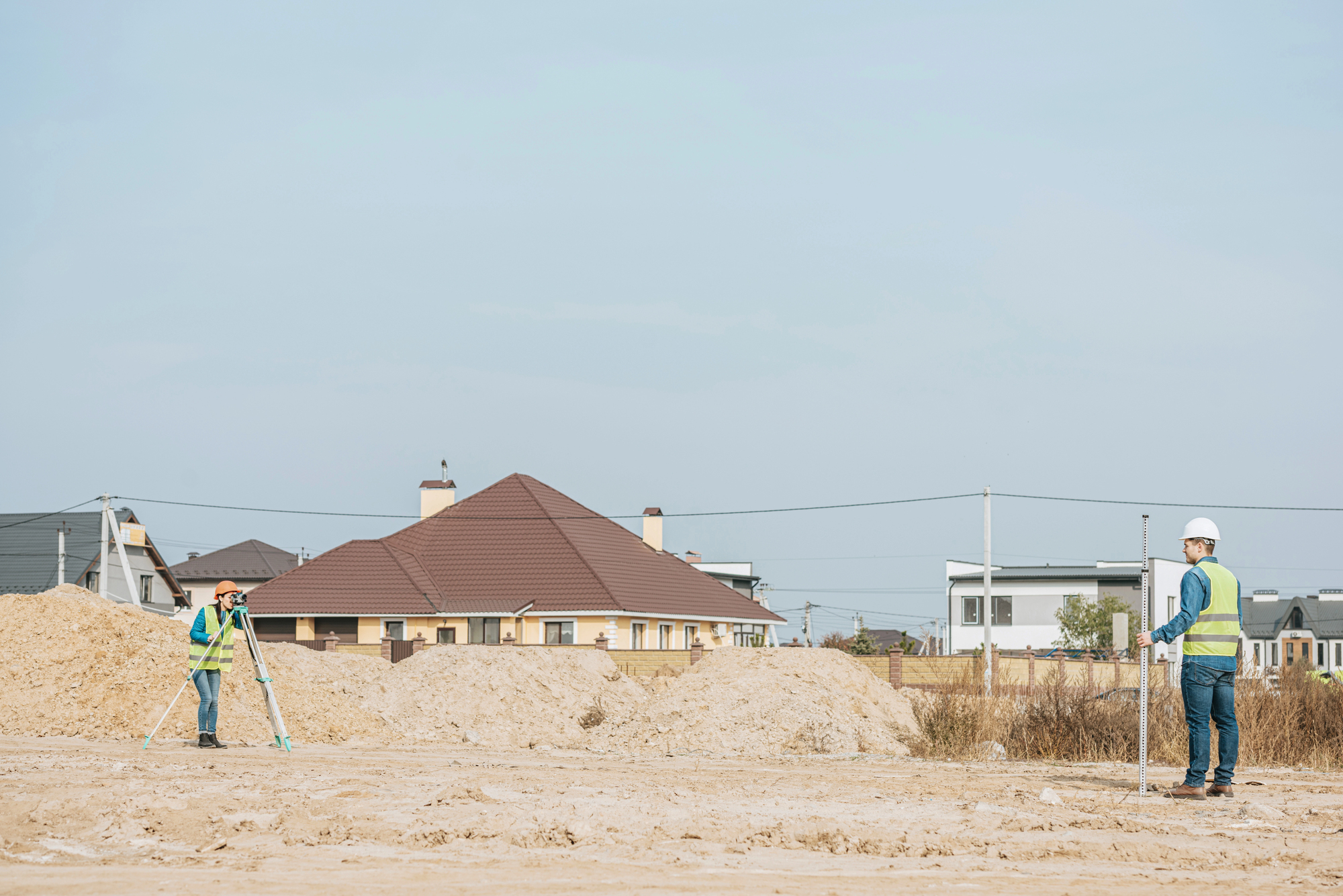
Property boundaries are used to specify all pieces of land. Traditionally, this meant hiring a professional surveying service to determine these lines, which is an endeavor that requires significant amounts of time and money. But technology is changing the way people do this. Property line apps are a popular alternative that is on the rise; they will save you time and are more convenient. In this article, we will take a look at why these digital solutions are becoming increasingly popular compared to their traditional counterparts.
Related Articles


Convenience and Accessibility
Perhaps the most common reason for the transition to apps for property lines is that they are more convenient. Property line information is available right on your smartphone or tablet. The convenience of it means that owners do not have to plan, go to appointments with surveyors, or await delayed documents from evaluators. Instead, the app provides information instantly, which is very helpful for people looking for data.
Also, these applications tend to be easy to use and designed around intuitive interfaces. They are very easy to navigate, and even someone without much technical expertise can traverse them easily. Therefore, a larger pool of individuals will be able to use this technology, increasing its appeal.
Cost-Effectiveness
Traditional surveying can be expensive. It usually involves paying professional surveyors and, in many cases, incurring other expenses if you have a more complex space. Understandably, for owners with several properties, this cost can be a hurdle.
On the other hand, these apps you use to determine property lines are typically a more cost-effective option. Most come with basic features free of charge, along with paid versions for a minimal fee. This affordability makes them ideal for both cash-strapped individuals and businesses alike.
Real-Time Updates
The second major benefit of apps is the ability to send push notifications. Legal rulings, natural events, or property projects occasionally alter land boundaries. This information is very important for property managers to keep track of these types of changes.
In traditional surveying, news like this would likely require a property professional to return for further assessment, but this is not the case with modern technology. Apps seamlessly integrate with databases that undergo continuous updates. This integration allows users to access up-to-date information and eliminate any risk of a dispute or inaccuracy.
Integration With Other Technologies
Many modern property line apps have integrations with additional technologies that boost their functionality. Most of them embed GPS and satellite imagery to deliver accurate location-specific information. These apps let users overlay and view property lines with aerial maps and visual representations of real-world boundaries.
Plus, these apps tend to be connected to other digital tools, like other real estate platforms. For buyers, sellers, and land managers, this connectivity simplifies their processes—all in one application.
Environmental Considerations
Traditional surveying methods can sometimes require extensive physical presence on the land, potentially disturbing the environment. In contrast, apps reduce the need for on-site visits. Less direct physical interaction also makes it environmentally friendly while costing the property less.
Users play a part in being more environmentally friendly by going digital. This is becoming more valuable for those who care about their environmental impact and organizations that want to reduce their ecological footprint.
Potential Challenges and Considerations
However, apps for property lines also present some challenges. These tools only work as intended if the data they have is accurate. The information may be less reliable in regions with outdated or fewer mapping resources.
Users should also take into account privacy and security. There is inherent risk in sharing the location and details of your property through an app. The app you choose must be secure enough to safeguard sensitive information.
Conclusion
Property line apps are changing the way we identify and manage land boundaries. They have become more popular thanks to their ease of use, cost efficiency, and ability to integrate with modern technology. With a willingness to adopt these digital tools, property owners will gain easy access to reliable data and help facilitate a more sustainable solution. That said, it is important to be aware of the risks and use trusted applications to have the best experience.