Ever wondered why some businesses constantly outperform others in their market?
Well, stop blaming luck or the economy, and start looking in the mirror. The real secret to success isn’t just having the best product or the most marketing budget. It’s about turning business data into strategic decisions that actually drive growth.
Here’s the thing…
According to a recent study, 84% of business leaders believe data-driven decision making is now their most important skill. That’s up significantly from just a year ago, and with good reason.
- Why Relying on Your Gut Feeling Is Costing You Money
- Don't Let Your Data Go to Waste: Understanding the True Costs
- What's Different About Data-Driven Decisions?
- How to Start Making Data-Driven Decisions
- Mistakes to Avoid When Making Data-Driven Decisions
- Data is the Future of Business
- In Closing: Transforming Data into Actionable Business Insights
Related Articles
-
 Recruitment Tips for Hiring Managers in Small Business
-
Employment Law: A Guide for New Business Owners
-
The Rise of Small Businesses in High-Growth Industries: A Spotlig…
-
Timeline Expectations for Translating a Full-Length Novel: From F…
-
Florida LLC Filing Requirements: Guide for New Business Owners
-
Legal Considerations for Small Business Owners: Why Insurance is…
-
Top Legal Considerations in Commercial Debt Collection


Why Relying on Your Gut Feeling Is Costing You Money
Let’s cut to the chase…
The six instincts you rely on to make important business decisions? They might be your biggest source of unnecessary expenses.
By 2026, 65% of B2B sales organizations expect to no longer base sales calls and key strategies on gut feeling and start favoring data-driven approaches.
The companies who are making this leap? They’re not doing it as a social experiment. They’re making bank.
Businesses which report that they base their decisions on data show an 8% increase in revenue and a 10% decrease in costs. In the game of profit margins, that’s not peanuts.
But here’s where most businesses go horribly wrong…
They’ve got reams of data being generated every day but have zero clue what to do with it. The distance between data acquisition and strategic decision making is where the black hole of business data occurs. What you need is seamless data analysis that will help you not just understand but act upon those overwhelming spreadsheets and confusing metrics.
Without an understanding of how to process business data into tangible action points that fuel growth, your data isn’t gold, it’s just clutter.
Don’t Let Your Data Go to Waste: Understanding the True Costs
Quick question for you: how many times last week did you make a business decision just based on experience?
If you’re a business owner, like most, the answer is a lot. Probably too many. Those decisions are robbing you of money and opportunities.
It’s a simple problem:
- Markets are changing too quickly for experience alone to keep up
- Customer behaviors are different every year
- What worked 2 years ago won’t work today
Data reflects the current state. Experience shows the past.
Think of it like driving a car… you’re not going to win by staring at your rearview mirror are you? Your data is the windshield and your gut feeling is that little thing at the back of the car.
What’s Different About Data-Driven Decisions?
Data-driven decision making isn’t some new corporate buzzword; it’s an essential part of how successful businesses operate today. And here’s why.
Decisions based on actual data rather than assumptions or hunches allow you to:
- Eliminate personal bias in critical business choices
- Identify trends your competition hasn’t noticed yet
- Quantify and communicate your decisions to stakeholders
- Measure success and failure
Data is the new normal. According to one survey, 90% of enterprise businesses are saying that data is either important or increasingly important to their success. They’re not alone.
But Data Alone Is Not Useful
The problem with many data-driven decision making approaches is that they collect and stockpile raw data without ever doing anything with it. And it’s this… actionable analysis that really matters.
For example, when you look at your key performance indicators, what does it tell you? What’s the story behind those numbers? Where’s the opportunity? What aren’t you seeing?
Companies which manage to unlock the true value of their data see productivity gains of up to 63%. That’s not incremental – that’s exponential.
How to Start Making Data-Driven Decisions
So you’re sold on the whole data-driven decision making thing. Now what?
Let’s break it down.
First: Start with Asking the Right Questions
Don’t hoard data. Ask yourself first: What decisions do I need to make? What information could help me make those decisions better?
These are the questions which should drive your data collection efforts, not the other way around.
Second: Clean Up Your Sources
The little thing most business owners don’t realize…
Bad data is far worse than no data at all. If your data is inaccurate, your decisions will be garbage too. Make sure you’re only sourcing from credible data and that everything’s being kept current.
Third: Turn It Visual
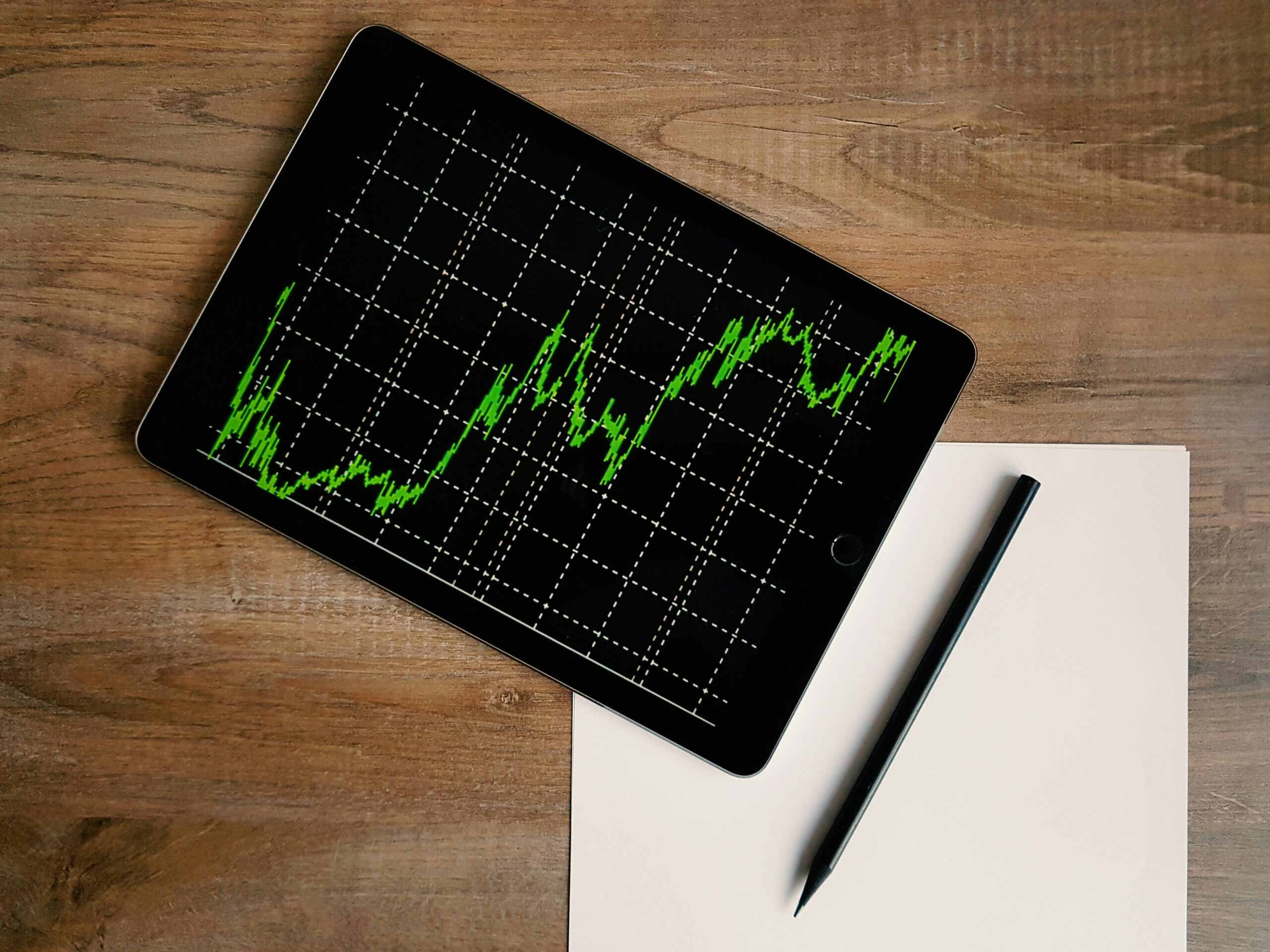
Raw data in a spreadsheet is boring. Charts and graphs tell stories.
Use a data visualization tool to convert that raw data into patterns your brain will spot instantly. Your human brain is much better at processing pictures than text and numbers.
Fourth: Test and Learn
The great thing about data-driven decisions is that you can actually measure the outcome. Do something. Track it. Learn. Adjust. Rinse. Repeat.
Companies that have systems like this in place create a cycle of continuous improvement which compounds over time.
Mistakes to Avoid When Making Data-Driven Decisions
It’s hard to make a decision completely based on data, but when you try to do so, there are plenty of pitfalls to watch out for:
Analysis paralysis: If you wait until you have all the data, you’ll never take action. Make decisions with the best information available, right now.
Forgetting context: Numbers without context are worthless. Always question what else you need to know to get a real picture of what that data is telling you.
Accepting the first answer: Always dig a little deeper. The most obvious answer is almost never the correct one.
Neglecting the human element: Numbers tell you what happened. They don’t tell you why. Talk to your customers, your team to give you the real insight.
Data is the Future of Business
Companies that have embraced data-driven decision making aren’t just surviving, they’re thriving.
While their competitors are still fighting about “instincts” and “gut feelings,” these businesses are already three steps ahead. They know what’s working, what’s not, and where to allocate their resources.
The best part is that you don’t need to be a multinational enterprise or hire a huge team to get started. All you need is to commit to basing your decisions on evidence rather than your gut feeling.
In Closing: Transforming Data into Actionable Business Insights
Turning business data into strategic decisions that drive growth is no longer an option, it’s a requirement.
The gap between companies who are able to use data effectively and those who aren’t is widening every day. Every day that you don’t act is another day your competition is getting ahead.
Start small. Pick one area of your business. Gather the data. Analyze it. Make a decision based on what you learned. Then measure the result.
Do this repeatedly and you’ll start a data-driven culture of real growth. Not in the future. Not eventually. Starting today.
The data is already there. The question is, are you going to use it?
Featured Photo by Burak The Weekender