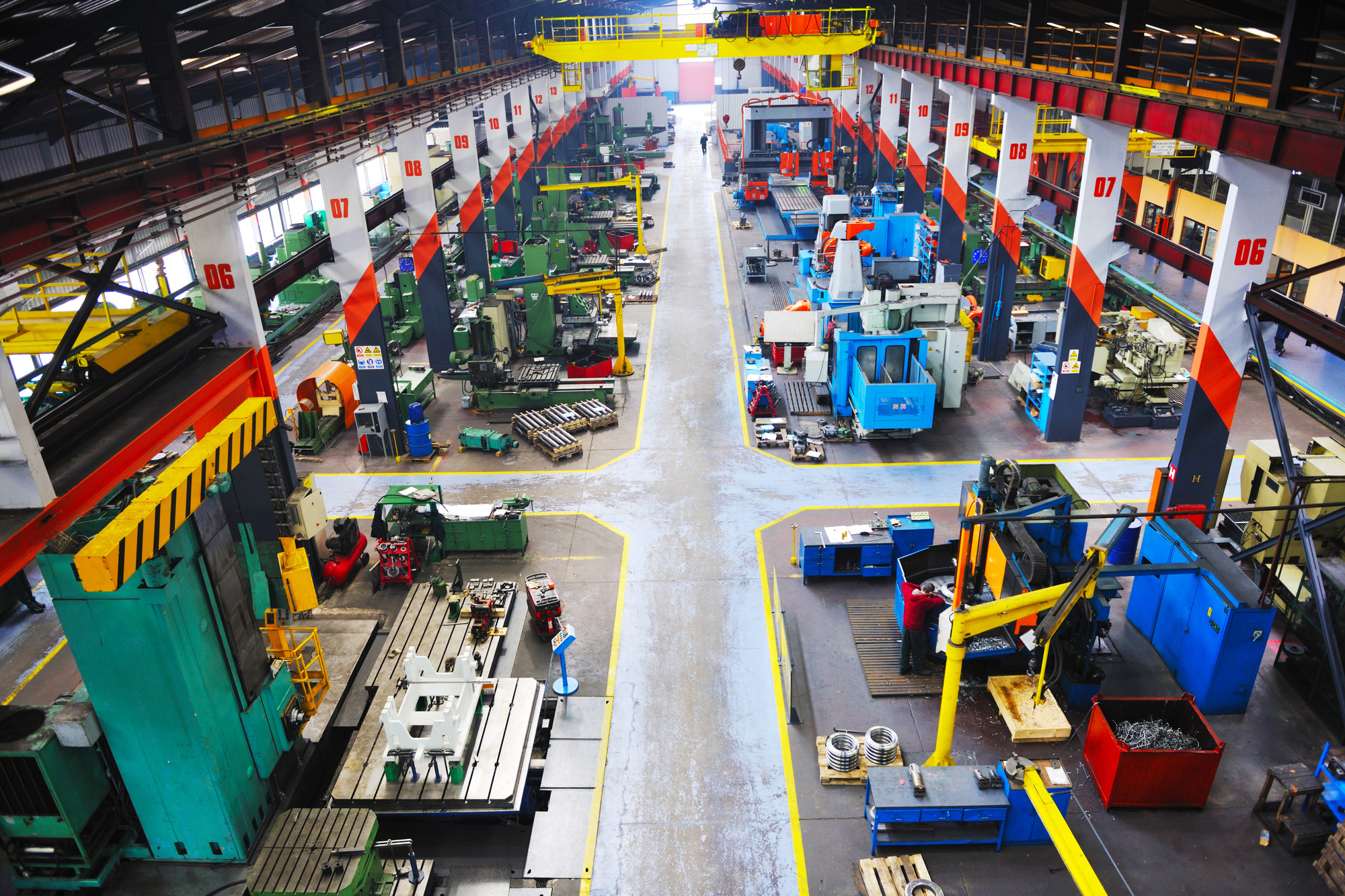
No matter the type of business, managing your equipment inventory is a critical success factor. Tracking helps to keep things organized and to save time, cut costs, and increase operational productivity.
In this post, we look at the importance of tracking equipment inventory and the advantages of doing so for organizations. With the right approach, businesses can transform their operations and gain a competitive edge.
- Enhancing Operational Efficiency
- Cost Reduction and Financial Benefits
- Improving Asset Management
- Facilitating Compliance and Safety
- Making Inventory Audits More Manageable
- Increasing Productivity and Accountability
- Implementing Technology for Better Tracking
- Choosing the Right System
- Training Staff for Effective Use
- Challenges in Inventory Tracking
- Future Trends in Inventory Management
- Conclusion
Related Articles
-
 Update: Will the DOL’s new exempt employee rules be delayed…
-
New Overtime Law Changes and HR Guidance in April 2024
-
Mental Health in the Workplace: Legal Obligations and Best Practi…
-
Handling of Final Pay Checks and Unpaid Compensation Upon Death o…
-
What the Law Says About Personal Internet Usage at Work
-
How to Overcome Communication Challenges in Your Remote Teams
-
Workplace Harassment 101: Understanding Its Types, Signs, and Imp…
-
7 Critical Employment Law Updates You Need in 2024


Enhancing Operational Efficiency
A well-maintained infrastructure acts as a foundation for any successful business. This approach helps companies avoid unnecessary delays, as both equipment placement and status are known at all times. This kind of organization reduces the amount of downtime, which contributes to improved workflow by making sure resources get allocated at the exact moment they are required. When teams know where equipment is located and its current condition, they can plan their work more effectively and complete tasks without interruption.
Cost Reduction and Financial Benefits
Monitoring inventories will help you discover obsolete or underused equipment. Having this knowledge gives organizations the ability to make valuable decisions, like selling or reallocating the items. Practices like these result in substantial savings. Moreover, to prevent over-buying, less money is spent on things that are not necessary, which helps maintain budgets. Organizations often find that proper tracking reveals equipment they forgot they owned, preventing duplicate purchases and maximizing the value of existing assets.
Improving Asset Management
When your records are up to date, asset management becomes much more effective as well. By having insights into how equipment is being used, businesses can proactively maintain it. This proactive approach extends the life of the equipment and eliminates unexpected failures. As a result, companies get more reliability and performance from their assets. Regular maintenance schedules become easier to manage when you have complete visibility into your equipment’s usage patterns and maintenance history.
Facilitating Compliance and Safety
Some industries are heavily regulated to maintain equipment safety and adherence to compliance requirements. A proper up-to-date inventory helps organizations verify that all items are inspected and meet required standards, maintaining overall quality. This level of detail keeps organizations compliant but also protects employees from accidents. According to the Occupational Safety and Health Administration, proper equipment maintenance and tracking are essential components of workplace safety programs.
Making Inventory Audits More Manageable
With an organized inventory system, audits are easier to conduct. Clean records make this process straightforward, saving time and money. Audits make sure that the inventory accurately reflects what is stored on-site, and they stop the discrepancies that lead to major financial problems. When auditors can quickly access detailed equipment records, the entire process becomes less disruptive to daily operations.
Increasing Productivity and Accountability
Proper tracking encourages employees to be responsible when handling equipment, knowing that usage is monitored. This accountability creates respect and care for company assets. This increases productivity since there is less damage or loss of equipment. Workers become more mindful of how they use tools and machinery when they know their actions are recorded, leading to better care and longer equipment lifespans.
Implementing Technology for Better Tracking
Today, there are many tools and technologies that help businesses with inventory management. Barcodes, RFID tags, and software solutions deliver real-time data and insights. These technologies simplify the process of tracking with accuracy and precision. Modern systems can automatically update records when equipment is moved or used, reducing the need for manual data entry and minimizing human error.
Choosing the Right System
The choice of system should fit the specific requirements of a business. This decision is influenced by several factors, such as the size of the inventory, the nature of your equipment, and any budget constraints. A customized approach will help verify that the selected system aligns with the organization’s goals. Companies should evaluate their current processes and identify the most critical tracking needs before selecting a solution.
Training Staff for Effective Use
Any new tracking system requires time to train employees properly. Knowing how to use the software and various tools will ensure smooth incorporation into daily operations. Ongoing education keeps staff informed about best practices, helping the organization get the most value from the system. Well-trained employees are more likely to use the system consistently and correctly, maximizing the return on investment.
Challenges in Inventory Tracking
While helpful, tracking inventory can present difficulties. Some common challenges are high initial setup costs and resistance to change. These issues can be addressed with careful planning and good communication about the long-term benefits. Organizations should prepare for a learning curve and allocate sufficient resources for implementation and training to overcome these obstacles.
Future Trends in Inventory Management
As technology continues advancing, inventory management systems are becoming more powerful. Developments incorporating artificial intelligence and the Internet of Things will provide even more precision and automation. Being aware of these trends helps companies remain competitive and ready for future market needs. Early adopters of new technologies often gain advantages over competitors who delay modernization.
Conclusion
Equipment inventory tracking is extremely important for modern businesses. It improves efficiency, lowers expenses, and maintains compliance and safety. Using technology and keeping good records sets companies up for success. Having proper organization is an investment in the future, not just infrastructure for today.