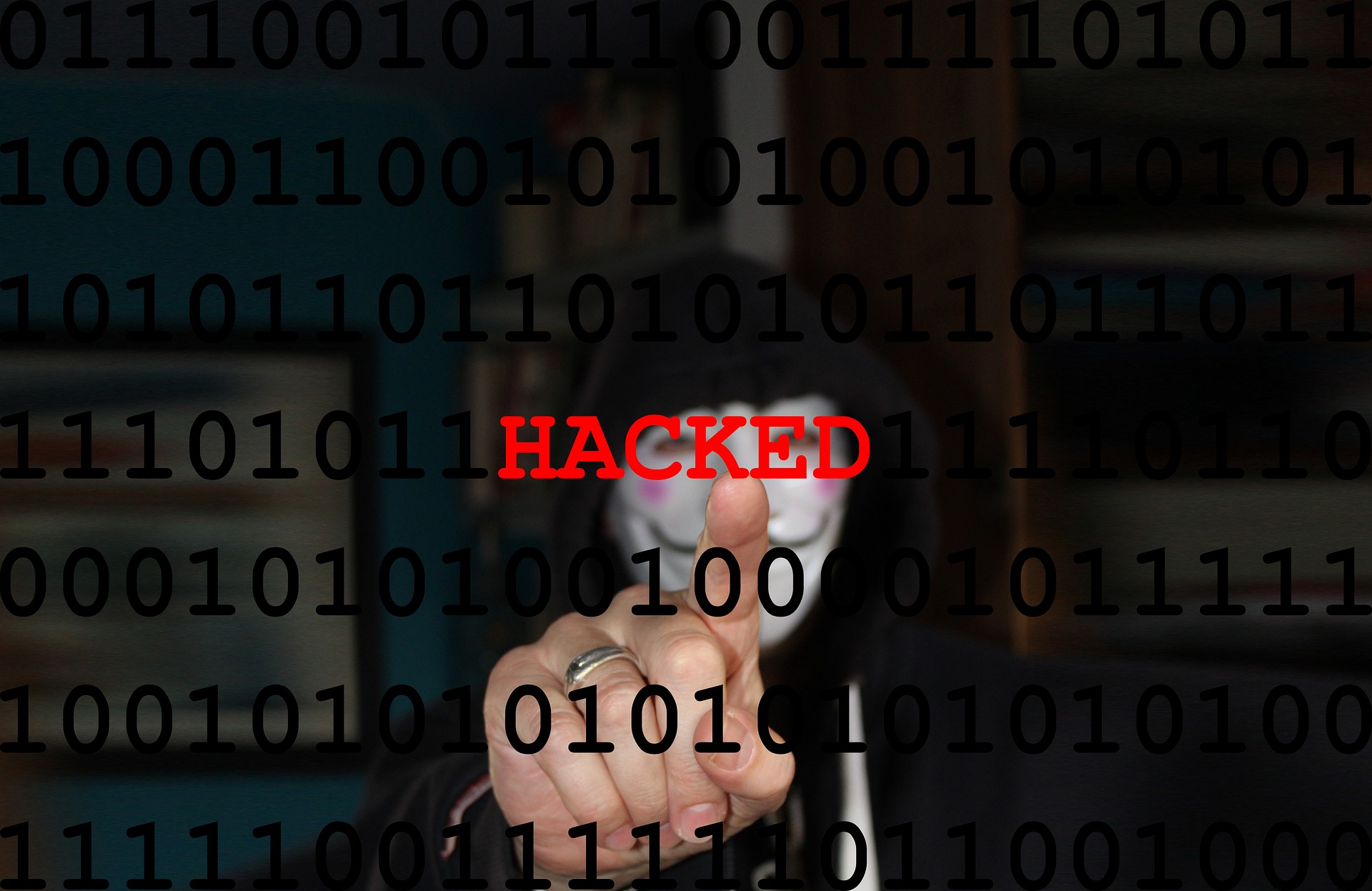
Employee data sits at the core of every workplace, and when it’s mishandled, the impact can be immediate and severe. Leaks of sensitive details create lasting damage for both individuals and organizations.
Regulators respond quickly, and lawsuits often follow. Companies find themselves balancing compliance demands, employee trust, and public perception, all under pressure.
Protecting employee privacy requires a clear strategy, attention to evolving laws, and the right legal support. This article explores common data missteps and how to safeguard worker information with confidence.


Common Data Missteps
Even well-meaning companies can stumble when handling employee information, leading to costly mistakes. Here are some common data missteps that put organizations and their workers at risk.
Storing Unencrypted Employee Records
Sensitive records, including social security numbers, medical details, and banking info, sit on servers in plain text. One breach, and that data is instantly exposed to attackers or insider threats.
Many organizations assume perimeter security is enough. Without encryption, though, internal protections fall short. Once access is breached, there’s nothing stopping data from being copied or sold.
Encryption transforms readable data into unreadable code, even if stolen. Storing employee records without it is like leaving a safe wide open with the lights on.
Over-Collecting Personal Data Without a Clear Purpose
HR teams sometimes request more information than necessary, hoping to streamline future processes. However, that approach backfires when unused data creates extra risk without delivering real value.
Every extra data point is another potential liability. Most of the time, companies store:
- Full family details for dependents not on record
- Education history beyond what the role requires
- Personal addresses long after relocation
- Health disclosures unrelated to the job
Holding all this information without justification invites regulatory scrutiny. Purpose limits exposure, and exposure defines your risk.
Sharing Information with Third Parties Without Proper Safeguards
Organizations rely on payroll providers, benefits platforms, and SaaS vendors to manage daily operations. Many of these partners receive access to sensitive employee data, from tax IDs to medical claims.
Unfortunately, not every third-party system meets your company’s security standards. Some vendors lack encryption, audit logs, or basic access controls, leaving gaps that fall back on you when breaches occur.
Vendor agreements rarely spell out employee data protection clearly. Without solid due diligence and contractual safeguards, you absorb the liability, because shared responsibility doesn’t mean shared risk.
Overlooking Data Retention and Deletion Requirements
Employee records tend to linger long past their relevance. Exit interviews, ID scans, outdated addresses, all of it stays buried in cloud drives or legacy systems.
Regulators don’t care if no one touches the files. Once the retention window closes, the data becomes non-compliant. Violations often come to light during audits or litigation, when old documents suddenly reappear.
Each forgotten file creates exposure. Without a clear deletion timeline, risk piles up in silence until it turns into a regulatory headache.
Ways to Safeguard Worker Information
Privacy protection starts before a breach ever happens. Here are a few practical ways to safeguard worker information and reduce the risk of costly mistakes down the line.
Implement Role-Based Access Controls
Access control shapes how employee data moves inside your systems. Each role carries defined permissions, which prevents unnecessary exposure and creates a record of accountability for every action taken.
Well-structured frameworks go beyond passwords. Companies enforce granular rules such as:
- Segmenting sensitive HR data from general employee files
- Using multi-factor authentication for privileged accounts
- Mapping access levels to compliance requirements
- Running automated alerts on privilege escalations
Organizations should consider working with compliance officers or external auditors to validate those structures. Independent checks reveal blind spots that internal teams miss, especially when roles evolve or new platforms are introduced.
Regularly Audit and Minimize Stored Data
Data piles up quickly in HR systems, finance software, and email archives. Without oversight, outdated records mix with current files, making compliance harder and increasing breach exposure.
Audits create a clear inventory of what’s stored and why. Identifying unnecessary details, like old ID copies or duplicate forms, reveals the areas where storage practices create more liability than value.
Minimization keeps the system lean. Less data in storage means fewer opportunities for leaks, fewer red flags in audits, and stronger employee confidence.
Encrypt Files in Transit and at Rest
Data encryption acts as a lock on employee information, whether it’s moving between systems or sitting in storage. Plaintext files create risk, even in closed networks, because unauthorized users only need one gap to access everything.
In transit, secure protocols like TLS 1.3 and SFTP protect data as it moves between platforms. At rest, full-disk encryption and tokenization tools prevent exposure from physical theft or internal misuse.
Strong key management adds another layer. Rotating keys, separating duties, and logging access activity round out a resilient encryption setup.
Establish Clear Data Retention and Deletion Policies
Retention policies define how long employee data remains useful and legally required. Setting clear timelines prevents records from staying longer than necessary and ensures compliance with privacy regulations like GDPR or CCPA.
A good starting point entails categorizing data by type, such as payroll, performance, or medical, and assigning retention periods to each. You could then build automated deletion workflows to remove expired files while preserving those still needed for audits or legal obligations.
Regular reviews keep policies relevant. As regulations change or company needs shift, adjustments prevent outdated rules from creating unnecessary risks.
Handling Data Breaches or Privacy Violations
Breaches expose employee trust, triggering financial and legal consequences. Immediate steps like isolating affected systems, notifying stakeholders, and preserving evidence help contain the fallout and reduce escalation risks.
Moreover, engaging a litigation firm experienced in privacy law ensures compliance during response efforts. Their expertise helps navigate reporting obligations, regulatory inquiries, and class action lawsuits while protecting your organization’s reputation.
A post-incident review is also essential. It helps identify the root cause, assess vulnerabilities, and implement stronger safeguards. Learning from the breach minimizes the chances of repeat incidents and restores employee confidence.
Wrapping Up
Protecting employee data reflects how much an organization values its workforce. Strong policies and careful action send a clear signal that privacy is treated as a responsibility, not an afterthought.
Regulations will keep shifting, and threats will keep evolving. The companies that thrive are the ones treating privacy as a living practice that requires constant attention and refinement.
Image by Pete Linforth from Pixabay