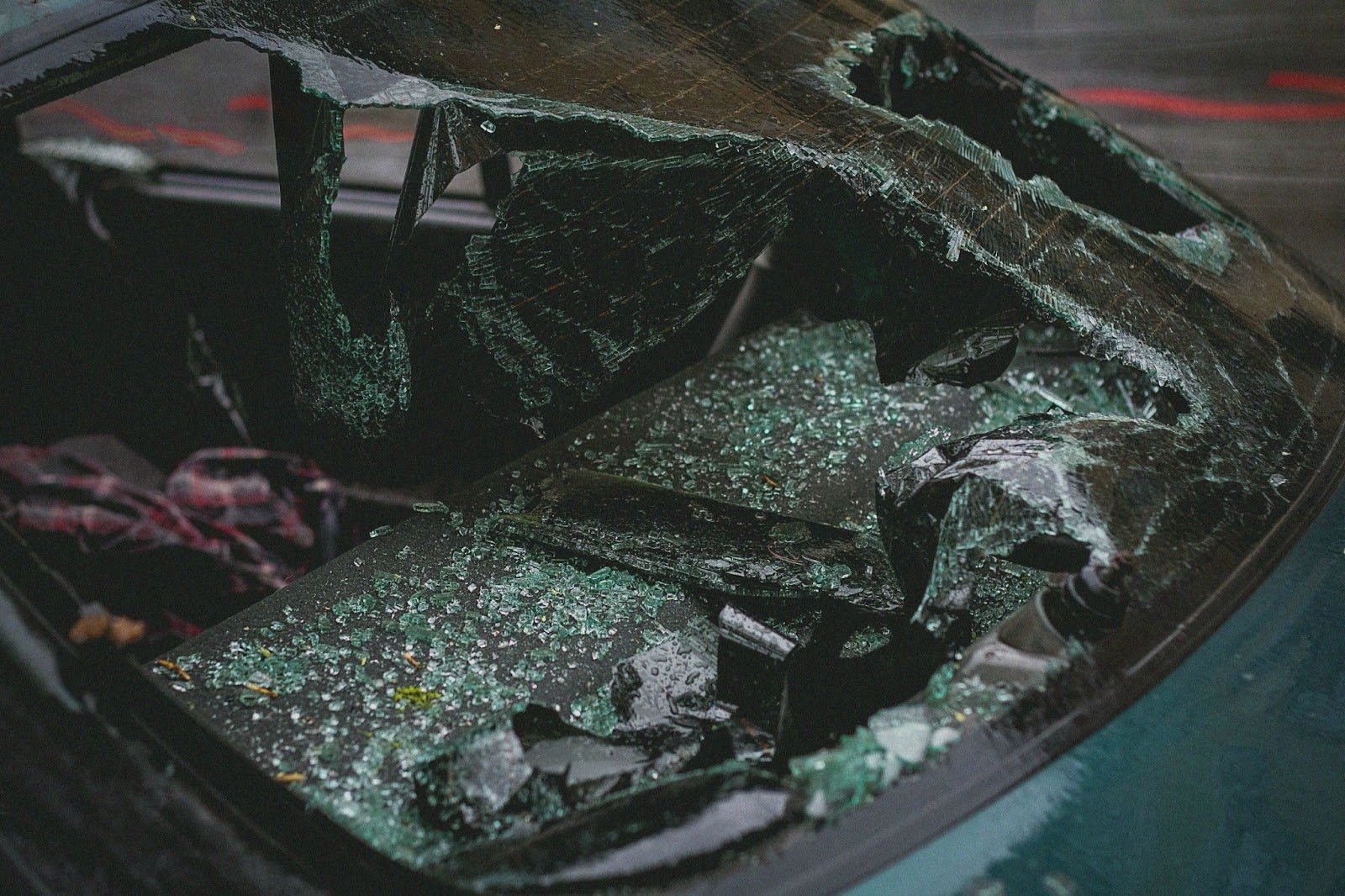
When a rideshare accident occurs in Omaha, pinpointing who’s at fault can be a maze. You’ll find that responsibility might not rest solely on the driver. Rideshare companies have their own set of obligations, and third-party motorists or even passengers could play a part. Comprehending these dynamics is essential for anyone involved. So, how do you navigate this complexity to secure fair compensation? Let’s explore the intricacies together.
Related Articles
-
 How Can a Car Accident Affect Your Job?
-
Understanding the Legal Rights and Options for Victims of 10 Whee…
-
Exploring the Role of Fatigue Monitoring in Preventing Car Accide…
-
How Company Car Accidents Affect Insurance Coverage: What Employe…
-
Reason Why You Must Hire an Auto Accident Lawyer
-
What Happens If I Lose My Job Because of a Car Accident?


Understanding Rideshare Insurance Coverage
How does rideshare insurance coverage really work? When you drive for a rideshare company like Uber or Lyft, your personal auto insurance might not cover you during the time you’re logged into the app. Instead, the rideshare company’s insurance kicks in, but coverage varies depending on your app status. If the app’s off, your personal insurance applies. When waiting for a ride request, a limited liability coverage is provided by the company. Once you accept a ride or have a passenger, you’re covered by more substantial insurance, including liability, collision, and uninsured motorist coverage. It’s pivotal to comprehend these distinctions to certify you’re sufficiently covered. Always check with your insurer to see if you need additional rideshare-specific coverage.
Determining Driver Liability
When you’re figuring out who’s liable in a rideshare accident, it’s pivotal to understand the driver’s duty of care. You’ll need to look at whether the driver acted negligently and assess their fault. Nebraska’s comparative fault system might also play a role, affecting how liability is determined and damages are awarded.
Driver’s Duty of Care
In evaluating a rideshare accident in Omaha, the driver’s duty of care is a crucial factor in determining liability. As a driver, you’re expected to maintain a standard of safety that safeguards the well-being of your passengers, fellow drivers, and pedestrians. This means adhering to traffic laws, staying alert, and driving defensively. Failure to uphold this duty can lead to accidents, making you potentially liable for any damages or injuries incurred.
You must also confirm your vehicle is in proper working condition, which involves regular maintenance checks. Ignoring these responsibilities can be seen as a breach of your duty of care. If you’re found to have neglected these standards, it can greatly impact the outcome of any legal proceedings following the accident.
Negligence and Fault Analysis
Determining driver liability in a rideshare accident requires a thorough negligence and fault analysis. You’ll need to ponder whether the driver breached their duty of care. Was the driver distracted, speeding, or perhaps ignoring traffic signals? These could all point to negligence. To break it down, follow these steps:
- Gather Evidence: Collect photos, witness statements, and police reports. This information helps establish the facts of the accident.
- Analyze Behavior: Evaluate the actions of both drivers involved. Did either violate traffic laws or behave recklessly?
- Consult Experts: Sometimes, accident reconstruction experts can provide valuable insights into how the collision occurred.
Comparative Fault System
Although understanding liability in a rideshare accident can be complex, the comparative fault system simplifies this by assigning a percentage of fault to each party involved. In Nebraska, this means you could still recover damages even if you’re partially at fault—as long as your share of the blame is less than 50%. For instance, if you’re found 30% responsible, you’d receive 70% of the total damages. It encourages accountability among all parties, whether you’re a driver, passenger, or pedestrian. To protect your rights, gather evidence like photos, witness statements, and police reports. Consulting an attorney can provide clarity on how your actions might affect your claim. Remember, understanding your liability helps guarantee fair compensation for any losses.
The Role of Rideshare Companies
When you’re considering the role of rideshare companies in accidents, it’s pivotal to look at their insurance coverage policies and how they screen drivers. These companies often offer varying levels of insurance depending on whether a ride is in progress, which can affect liability and compensation. Additionally, understanding their driver screening procedures can reveal how effectively they guarantee driver safety and competence.
Insurance Coverage Policies
How do rideshare companies handle insurance coverage for accidents involving their drivers? They typically have specific policies to cover different scenarios. Here’s a breakdown:
- Offline or App Off: When a driver isn’t using the app, their personal insurance is in effect. The rideshare company won’t cover any incidents during this time.
- App On, No Passenger: If the app is on but the driver hasn’t accepted a ride, the company provides limited liability coverage, usually for bodily injury and property damage.
- Ride in Progress: Once a ride is accepted until completion, the company offers full coverage, including liability, uninsured motorist, and collision coverage, often up to $1 million.
Understanding these policies can help you know what to expect if you’re involved in an accident with a rideshare vehicle.
Driver Screening Procedures
While understanding insurance coverage policies is important, it’s equally indispensable to ponder how rideshare companies safeguard the safety and dependability of their drivers through screening processes. When you hop into a rideshare, you trust that the driver is qualified and reliable. Companies like Uber and Lyft have a responsibility to guarantee this. They typically conduct background checks, verifying drivers’ criminal records and driving histories. This step is crucial to weed out potentially dangerous individuals. They also require valid driver’s licenses and proof of insurance. By maintaining strict criteria, these companies aim to keep passengers safe. However, it’s worth questioning how thorough these screenings are. Sometimes, gaps in the process can leave room for concerns, affecting who might be held responsible in accidents.
Assessing Third-Party Motorist Responsibility
Determining the responsibility of a third-party motorist in a rideshare accident can be complex. You’ll need to ponder various factors to get a clear picture. Here’s what you should focus on:
- Evidence Collection: Gather as much evidence as possible from the accident scene. Photos, videos, and witness statements are essential. They’ll help establish what happened and who might be at fault.
- Police Reports: Always obtain the official police report. It usually contains an impartial account of the incident and can serve as a valuable piece of evidence.
- Traffic Laws: Review local traffic laws to determine if the third-party motorist breached any regulations. This can enormously impact liability.
Legal Obligations for Passengers
Passengers, too, have legal obligations when traveling in a rideshare vehicle. You should always wear your seatbelt, as it’s not just a safety measure but a legal requirement. If you’re injured and not wearing one, it could affect any claims you might make. Additionally, you’re expected to behave responsibly. Distracting or harassing the driver could lead to accidents and make you liable for any resulting damages. It’s also pivotal to provide accurate pick-up and drop-off locations to avoid unnecessary risks. If you’re involved in an accident, your cooperation is key in providing necessary information to authorities. Remember, your actions can impact insurance claims and legal outcomes. Being a responsible passenger helps confirm everyone’s safety and legal protection.
Steps to Take Following a Rideshare Accident
In the aftermath of a rideshare accident, what should you do first to guarantee your safety and legal protection? Start by staying calm and checking for injuries. Call 911 if anyone’s hurt. Next, make sure you document the scene and gather necessary information. Here’s a quick list to guide you:
- Collect Information: Get the driver’s name, contact info, and insurance details. Don’t forget to note the rideshare service and vehicle license plate.
- Document the Scene: Take clear photos of the accident area, vehicle damage, and any visible injuries. This evidence can be pivotal later.
- Report the Accident: Notify the rideshare company through their app or customer service line. Keep all communication records for future reference.
- Seek Legal Guidance: If you have questions about your rights or compensation, consider speaking with an experienced Rideshare Accident Attorney in Omaha who understands the complexities of Uber and Lyft-related claims.
Following these steps will help protect your rights.
Frequently Asked Questions
Can Rideshare Drivers Sue for Personal Injury After an Accident?
Sure, you’re wondering if rideshare drivers can sue for personal injury after an accident. Absolutely, you can. If you’re a rideshare driver injured in an accident, you might be entitled to compensation for your injuries, lost wages, and other damages. It’s imperative to gather evidence and consult a personal injury attorney to understand your rights and options. Don’t hesitate to explore legal avenues to protect your interests.
How Do Weather Conditions Affect Rideshare Accident Liability?
When you’re traversing rideshare accident liability, weather conditions play a pivotal role. If you’re driving in Omaha during a snowstorm or heavy rain, those conditions could impact who’s at fault. Poor visibility or slick roads might shift some responsibility away from the driver if they were driving cautiously. However, if you’re not adapting to the weather, like speeding, you could still be held liable. Always drive carefully in adverse weather.
Are Rideshare Accident Claims Affected by State-Specific Laws?
When you’re dealing with rideshare accident claims, state-specific laws can definitely affect the process. Each state has its own set of regulations and insurance requirements that can influence who’s liable and how claims are handled. It’s pivotal to understand your state’s laws because they can impact the compensation you might receive. You’ll want to consult a local attorney who knows the ins and outs of your state’s legal framework to guide you effectively.
Do Rideshare Drivers Need Additional Personal Insurance Coverage?
You might wonder if rideshare drivers need extra personal insurance. While rideshare companies provide some coverage, it often doesn’t cover everything. Personal policies usually exclude commercial activities, so having additional rideshare or commercial coverage can protect you in gaps. It’s vital to check local regulations and insurance requirements, as they can vary. Don’t assume you’re fully covered just because you’re driving for a rideshare company. Protect yourself with the right coverage.
Can Passengers in a Rideshare Accident Seek Compensation for Emotional Distress?
When you’re involved in a rideshare accident, you might wonder if you can seek compensation for emotional distress. Yes, you can pursue claims for emotional distress, along with any physical injuries. It’s important to gather evidence like medical records and witness statements to support your claim. Consult with a lawyer who specializes in personal injury or rideshare accidents to help you navigate the legal process and maximize your compensation.