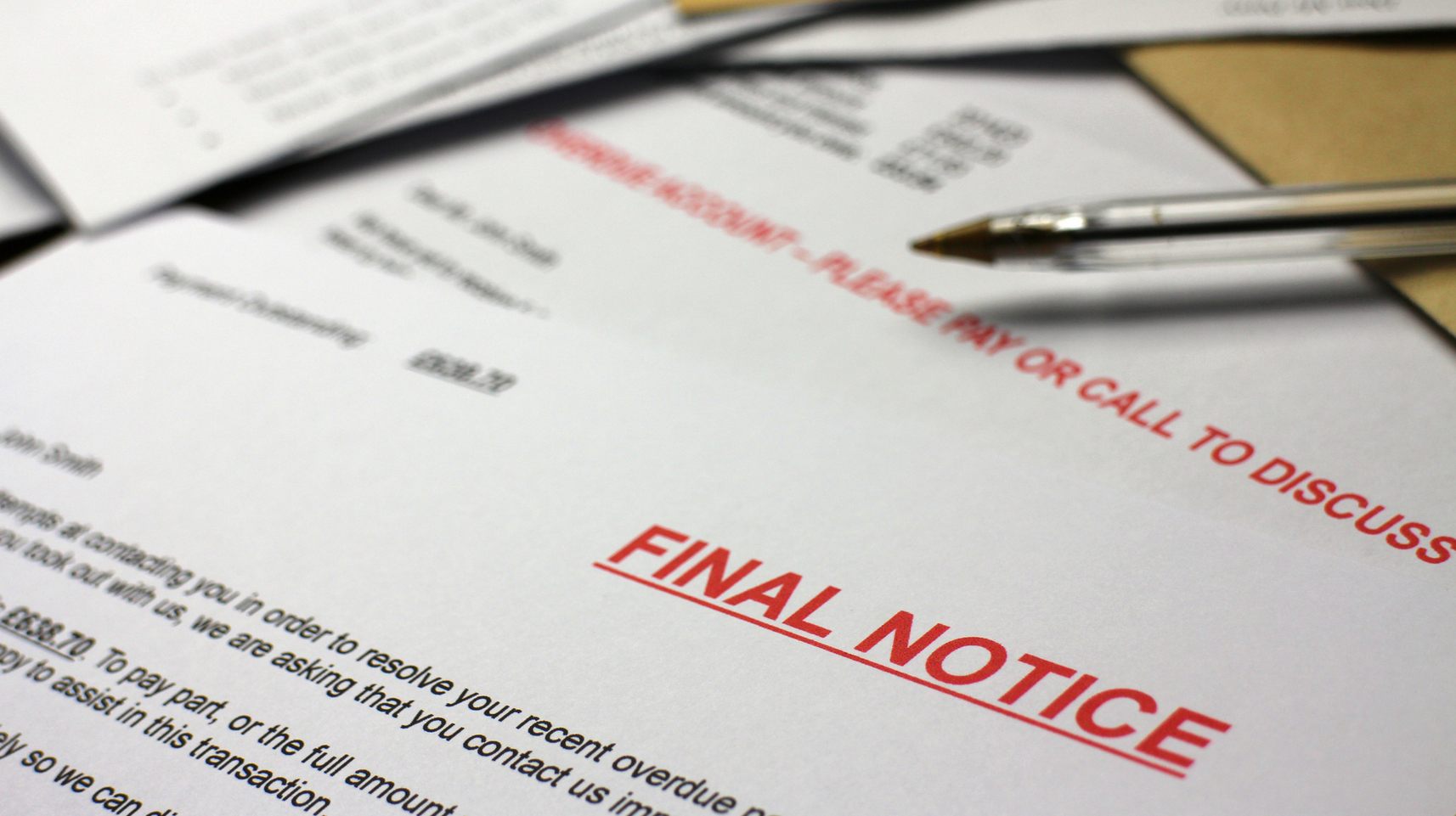
Dealing with debt collection can feel overwhelming, especially when a lawsuit is involved. With laws and regulations changing over time, it’s important to stay informed about your rights and what steps to take.
In 2025, new rules and updated practices are shaping how debt collection lawsuits are handled, and understanding them can help you avoid costly mistakes.
This guide will walk you through everything you need to know—from what triggers a lawsuit to how you can respond and protect yourself. Whether you’re facing a claim or just want to be prepared, this is your go-to resource for clarity and confidence.
Related Articles
-
 The Myth of the Two Weeks’ Notice Requirement
-
How does my legal medical marijuana drug test affect my pre-emplo…
-
Salaried-Exempt Employees and Paid Vacation Leave
-
Do’s and Don’ts of Writing a Warning Letter to an Employee
-
Random Drug Testing at Work: Random Drug Testing Do’s and D…
-
Portal to Portal Act: When an Employer Must Pay for Travel Time u…


Debt Collection Lawsuit Fundamentals in 2025
Before you can build a solid defense, you’ve got to grasp the current legal landscape. Trust me, the debt collection industry has transformed in ways that directly impact your case.
Types of Debt Collection Lawsuits You May Encounter
Debt collection lawsuits come in different flavors, each with its own quirks and challenges. Original creditors might chase you for recently unpaid balances, while third-party collectors frequently buy old debt portfolios and launch legal action. Medical bills, credit card debt, car loans, personal loans – each carries unique legal angles you can exploit.
Here’s a sobering statistic from Oregon: 10 plaintiffs account for more than half of all case filings and consisted entirely of third-party debt collectors, debt buyers, and national banks, and only four percent of defendants answer their case. That’s overwhelming evidence of how intimidating these cases feel, but responding properly changes everything.
Key Players in Debt Collection Litigation
You’ll face different collector types, each with distinct motivations and legal footing. Original creditors possess the strongest position since they maintain complete documentation. Debt buyers purchase charged-off account portfolios, frequently missing proper paperwork. Collection agencies operate on behalf of creditors, taking percentage cuts of recovered amounts.
California distinguishes itself through robust consumer protection laws that extend far beyond federal requirements. The state’s Fair Debt Collection Practices Act delivers additional protections, while the California Consumer Privacy Act establishes fresh obligations for debt collectors managing personal information.
Understanding the specifics regarding how to respond to a summons in california becomes absolutely critical, as it involves mastering both federal and state deadlines, formatting your response properly, and navigating unique procedural requirements that could significantly strengthen your defense.
Timeline Expectations for Debt Collection Cases
Most debt collection cases follow predictable patterns, though California’s courts impose specific procedural demands. You’ll generally have 30 days to respond to a California summons, although this timeframe varies depending on the service method. Cases typically resolve within six months through settlement or default judgment.
Recent Changes in Debt Collection Laws 2025
Debt collection laws in 2025 showcase ongoing regulatory shifts. The Consumer Financial Protection Bureau keeps updating regulations, while states like California enhance consumer safeguards. Fresh validation requirements, communication restrictions, and digital service rules impact how collectors pursue cases.
Now that you grasp the vital importance of knowing your rights in today’s changing debt collection environment, let’s explore the essential fundamentals that’ll anchor your defense strategy.
Receiving Your California Summons – Immediate Action Steps
With these core concepts established, reality strikes when that official summons document shows up at your doorstep—and your response during those initial days can shape your entire case outcome.
Anatomy of a California Summons Document
When examining a California summons received from the court, scrutinize critical elements like the case number, both parties’ identities, and clear response instructions. Mistakes or missing information on a California summons could provide grounds for challenging the lawsuit’s validity.
Critical Deadlines You Cannot Miss
If you’re wondering what to do when you get a summons for debt, your initial move should be identifying your exact response deadline. California typically gives you 30 days to respond after service, but watch for adjustments due to holidays or weekends. Failing to meet these deadlines frequently results in a default judgment.
Verification Requirements for Debt Collectors
Collectors must demonstrate that they own your debt and that the amount is correct. Demand validation immediately – they can’t continue collection activities while verification remains pending.
Digital Service and Electronic Filing Updates
Courts increasingly embrace electronic filing and service, particularly after the pandemic. Grasping these options can accelerate your response and cut costs.
Once you’ve properly received and analyzed your summons within those critical timeframes, it’s time to develop a strategic response that positions you for the strongest possible defense.
Strategic Response Options for Debt Collection Summons
While these federal response strategies offer a solid foundation, California residents benefit from additional state-level protections that can significantly strengthen your position against debt collectors.
Answering the Summons – Template and Best Practices
Your answer should admit, deny, or claim insufficient knowledge regarding each allegation. Don’t admit anything you’re uncertain about – force them to prove their case.
Affirmative Defenses That Actually Work
Statute of limitations, lack of standing to sue, failure to provide proper validation, and Fair Debt Collection Practices Act violations represent powerful defenses. Document everything from day one.
Motion to Dismiss Opportunities
When the complaint lacks essential information or the court lacks jurisdiction, a motion to dismiss might end the case quickly. This demands precise legal arguments and strict deadline adherence.
In Michigan, third-party debt collectors filed 60% of debt collection cases in 2019. Understanding your opponent’s business model helps you develop better defenses and negotiate more effectively.
Counterclaim Possibilities Under Updated Consumer Laws
Debt collection law violations can transform into counterclaims for damages. These span from statutory damages to compensation for harassment, emotional distress, and attorney fees.
Armed with knowledge of your California-specific rights and protections, you can now leverage these advantages during pre-trial negotiations to secure favorable settlement terms before ever entering court.
California-Specific Debt Collection Protections
If the settlement fails, prepare thoroughly for court to safeguard your financial future.
California Consumer Privacy Act (CCPA): Collectors must follow strict privacy rules; violations can support your defense.
Interest Rate Caps: California limits interest rates and requires clear disclosures; violations may reduce or invalidate debts.
Wage Garnishment Protections: Lower-income earners often qualify for full garnishment protection.
Homestead Exemptions: Significant equity in your primary residence is shielded from creditors.
Advanced Defense Strategies (2025): Use modern tactics to expose debt collectors’ weaknesses in court.
Common Questions About Debt Collection Defense
1. When can you no longer be sued for debt?
Depending on what type of debt you have and where you live, they usually have between three to six years to file a lawsuit. After the statute of limitations ends, they can’t legally sue you for the debt.
2. What happens if I ignore a debt collection lawsuit?
Ignoring the lawsuit almost guarantees a default judgment against you, allowing wage garnishment, bank levies, and property liens without further court proceedings.
3. Can debt collectors garnish Social Security benefits?
Federal law generally protects Social Security benefits from garnishment by private creditors, though some exceptions exist for federal debts and certain court orders.
Taking Control of Your Financial Future
Facing debt collection lawsuits feels overwhelming, but you’ve got more power than you realize. The secret lies in responding swiftly, understanding your rights, and strategically using available protections. California’s robust consumer laws provide additional shields that many people don’t even realize exist.
Don’t let fear paralyze you – take decisive action, document everything thoroughly, and remember that collectors depend on people surrendering without putting up a fight.
Your financial future doesn’t have to be determined by someone else’s agenda. You’ve got the tools, the knowledge, and the legal protections to fight back effectively. The question isn’t whether you can win – it’s whether you’re ready to take that first step.