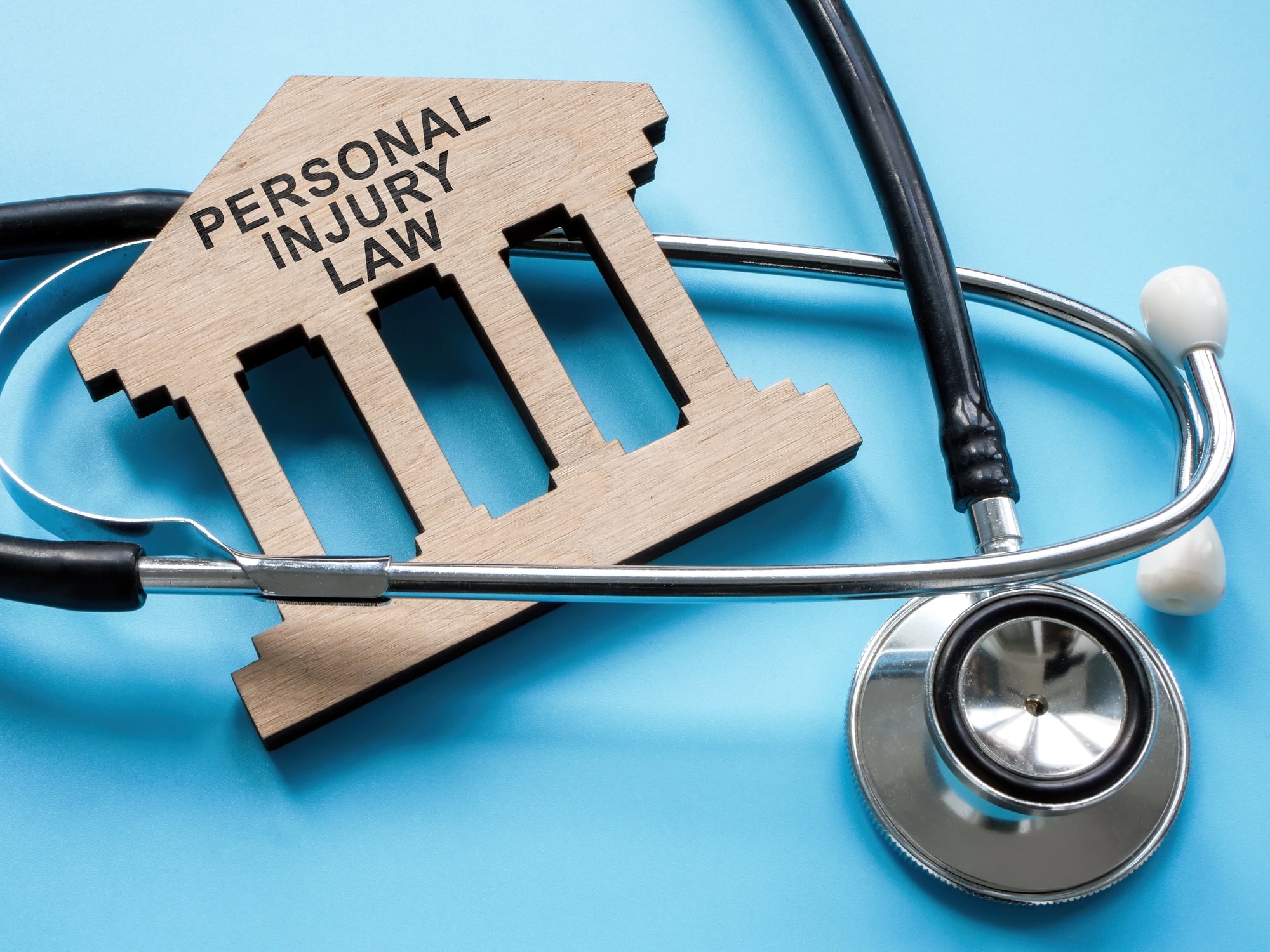
Southfield, MI, stands as one of Metro Detroit’s most active business and residential hubs — a place where daily life moves quickly between office parks, shopping centers, and quiet suburban neighborhoods. Yet, accidents can happen anywhere, from busy intersections to workplace sites, leaving residents facing medical bills, recovery challenges, and uncertainty about their next steps. When someone suffers an injury in Southfield, understanding how settlements are determined becomes an essential part of pursuing justice and financial stability.
Each case involves evaluating medical costs, lost wages, emotional distress, and the long-term impact of the injury on one’s life. Insurance adjusters, legal teams, and medical professionals all play roles in shaping the outcome. According to Christensen Law, fair settlement determination is not just about numbers—it’s about recognizing the real human cost of injury and ensuring victims have the resources and advocacy they need to move forward with confidence and dignity.
Related Articles
-
 Employment Rights When Injured Outside the Workplace: A Comprehen…
-
How Employers Can Navigate Personal Injury Claims
-
Can your job fire you for being injured outside of work?
-
When Safety Isn’t Enough – How Negligence and Legal Loophol…
-
What should I do if I was injured while in a different state?
-
When Work Hurts: What Employers Should Know About Injury Liabilit…
-
Understanding Liability in Dog Bite Cases: What You Need to Know


Initial Assessment
The first step when an injury occurs is to review the incident. Lawyers usually collect the necessary information, which would include medical reports and eyewitness accounts. It is important to carry out this process to determine the extent of the injury and what happened during the event. Determine the elements you need to understand the potential compensation.
Factors Influencing Settlements
Several factors influence settlement amounts. This involves the extent of the injury, medical bills, missed income, and pain and suffering of the injured party. These are all important factors in determining an equitable settlement. In a more serious injury, it is common for the medical and other damages to be more extensive, which leads to higher compensation.
Medical Expenses
In a personal injury settlement, medical expenses are often the top variable. This consists of medical expenses such as hospital bills, future treatment, rehab, and any medical devices needed. Proper documentation of these expenses is vital. This helps ensure the injured party is adequately compensated for all past and future medical expenses.
Lost Income
Work absences due to injuries result in loss of earnings. Compensation seeks to replace these losses. This includes both the loss of income during recovery and the loss of future income if the injury has caused damage to the ability to work. More detailed documentation is needed from employers and medical experts to calculate this, and the long-term effects the condition can have.
Pain and Suffering
Settlement amounts also encompass the emotional and physical pain and suffering associated with injuries. Pain and suffering compensation includes non-monetary damages sustained. This is a personal decision and depends on the specifics of your case. Amounts are typically negotiated by attorneys based on standards and unique facts.
Negotiation Process
Right after the initial assessment and documentation, parties get into negotiation. The two sides – usually the attorneys acting for the injured party and the insurance company – enter into negotiations to receive a reasonable settlement. Anticipating these outcomes at this stage can also take a bit of negotiation at times. Lawyers tend to stress the good aspects of a case in pursuit of the maximum payout.
Role of Insurance Companies
Settlements are heavily affected by insurance companies. Claims are evaluated according to their citation policies and the evidence used to support a claim. They want to pay out as little as possible, while still seeming fair. Familiarity with the methods employed by insurance companies will assist the attorney representing the injured party in devising a successful negotiation strategy.
Legal Representation
Lawyers can help the injured party by guiding them through the process, providing proper documentation, and negotiating on their behalf. They can greatly impact the outcome of the settlement. These professionals also assist individuals in the legal process and ensure that they are aware of their rights and choices at every point in the process.
Alternative Dispute Resolution
In certain cases, parties can resort to other forms of resolving disputes, like mediation or arbitration proceedings. They can speed up settlements and decrease the cost of litigation. Mediation is when a neutral party gets both sides to an agreement; arbitration is when an arbitrator makes a binding decision. The choice of the method depends on the particularities of the case and on the readiness of the parties to work together.
Court Involvement
In the event that negotiations are unsuccessful, the case can go to court. A judge or jury then decides the settlement. This can be a long, unpredictable process. Before a judge, both sides have the opportunity to put forth evidence and arguments to back up their respective claims. Courts can get you higher settlements, but they have risks and extra expenses, too.
Conclusion
In personal injury cases, settlements are affected by numerous factors such as body part injury, medical expenses, income loss, and even emotional detriment to recovery. Knowing these factors, alongside the roles of lawyers and insurance agencies, could allow you to make better decisions. The ultimate objective is to obtain fair compensation for injury victims, be it through negotiation, alternative dispute resolution, or court action.
An understanding of the settlement determination process is essential in preparing for the long road ahead of resolution and recovery.