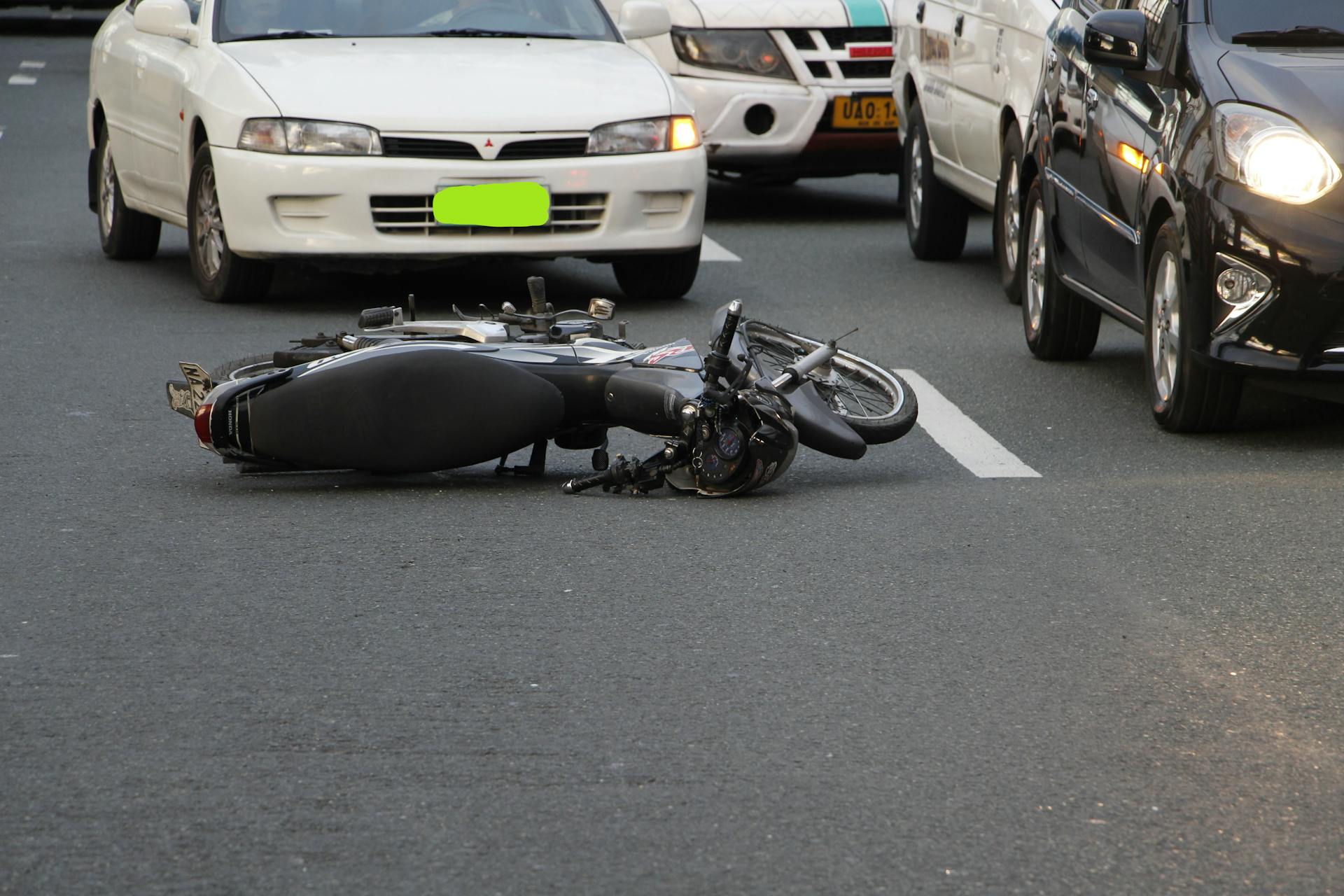
Fatal motorcycle accidents can turn lives upside down, not just for the person involved but for their family and everyone around them. On top of the heartbreak, there are often tricky legal issues to deal with.
One accident can lead to both a civil lawsuit and criminal charges, which can be confusing. Knowing your rights and the steps you need to take can help families protect themselves and make sure justice is served.
Related Articles
-
 How Can a Car Accident Affect Your Job?
-
Understanding the Legal Rights and Options for Victims of 10 Whee…
-
Exploring the Role of Fatigue Monitoring in Preventing Car Accide…
-
How Company Car Accidents Affect Insurance Coverage: What Employe…
-
Reason Why You Must Hire an Auto Accident Lawyer
-
What Happens If I Lose My Job Because of a Car Accident?


What is the Difference Between Civil and Criminal Cases?
After a fatal motorcycle accident, it helps to know the difference between civil and criminal cases.
Civil cases
These are lawsuits that victims or their families can file to get money for what they’ve lost because of the accident. This can cover things like medical bills, lost wages, funeral costs, and emotional pain. The goal here is to be compensated, not to punish anyone.
Criminal cases
These are brought by the state to punish someone who broke the law. Charges might include reckless driving, driving under the influence (DUI), or vehicular manslaughter. If the driver is found guilty, they could face fines, lose their license, or even go to prison.
Common Criminal Charges in Fatal Motorcycle Accidents
After a fatal motorcycle accident, the driver could face a few different criminal charges depending on what happened:
- DUI/DWI: Driving under the influence of alcohol or drugs is often involved in these accidents.
- Reckless or negligent driving: Speeding, running lights, or driving aggressively can get someone in serious trouble.
- Vehicular manslaughter or homicide: If the driver’s negligence causes a death, they might be charged with manslaughter or homicide.
These criminal charges can also affect any civil lawsuit, especially when it comes to proving who was at fault and how much compensation the victim’s family might get.
How Civil Lawsuits Work in Fatal Motorcycle Accidents
When a fatal motorcycle accident happens, the family of the victim can file a civil lawsuit to get compensation for the losses they’ve experienced. These lawsuits usually fall under wrongful death or personal injury claims.
The process for filing a civil lawsuit generally involves several important steps:
- Notify the insurance company right away: As soon as you can, let your insurance company know about the accident. This helps get the ball rolling on any claims.
- Gather and keep evidence: It’s important to collect everything you can that might help your case. This could include accident reports, photos of the scene, and statements from people who saw what happened.
- Consult with an experienced attorney: Finding a motorcycle injury lawyer Grand Rapids who knows how to handle fatal motorcycle accidents is key. They can guide you through the legal process, explain your options, and help you understand what to expect.
- Keep detailed records: Stay organized by keeping track of all documents related to the accident. This might include medical records, bills, insurance paperwork, and any communication with your attorney or the insurance company.
When Civil and Criminal Cases Overlap
Sometimes, a criminal case can affect a civil lawsuit. Evidence from a criminal investigation can be very helpful in a civil case.
It’s also important for families not to rush into settling a civil claim. Early settlements might mean getting less money than you’re entitled to, especially if more information about the accident or injuries comes out later during the criminal case.
Having a lawyer to guide you is a must. They can make sure both the civil and criminal cases are handled properly, so your family’s rights are protected and you get the compensation you deserve.
What to Do After a Fatal Motorcycle Accident
It’s easy to feel overwhelmed after a fatal motorcycle accident. But there are steps you can take to protect your rights and make sure everything is handled correctly. At the same time, there are things you should avoid to prevent making the situation worse.
Do these things:
- Seek legal help right away: Find a lawyer who knows both civil and criminal law. They can guide you through the process and help protect your family’s interests.
- Preserve evidence: Take photos, keep medical records, and save police reports. This evidence can be crucial for both civil and criminal cases.
- Report the accident promptly: Make sure law enforcement and insurance companies know about the accident as soon as possible.
- Keep detailed records: Track all expenses, documents, and communications related to the accident. Staying organized can make a big difference in your case.
Avoid these mistakes:
- Don’t admit fault: Never say you caused the accident or discuss blame at the scene. Even casual comments can be used against you later.
- Don’t sign anything without legal advice: Settlement offers from insurance companies should always be reviewed by your attorney first.
- Avoid posting on social media: Don’t share anything about the accident, your injuries, or the driver online. Insurance companies can monitor this.
- Don’t underestimate the complexity: Handling both civil and criminal cases at the same time can be tricky. Professional guidance is essential to protect your family’s rights.
Conclusion
Fatal motorcycle accidents are incredibly hard for everyone involved. Besides dealing with the emotional pain, there are legal matters that need careful attention. By taking the right steps, families can protect their rights and make the process smoother.
While nothing can take away the loss, having the right guidance can help ensure justice is served and support is there when it’s needed most.
Featured Photo by Valentin Sarte