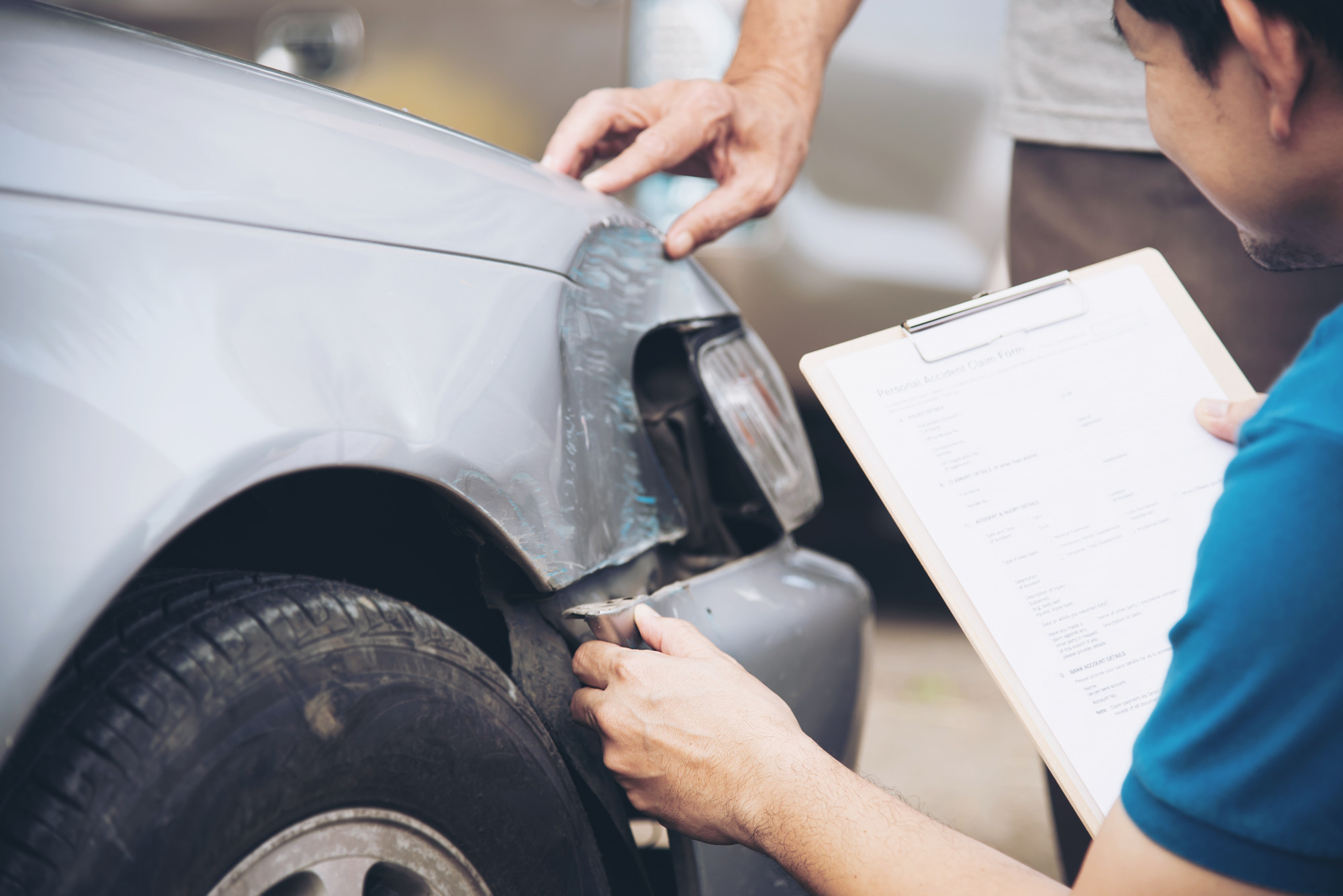
Documenting evidence after a car accident is essential to protect your rights and ensure fair compensation. Gathering the right information helps you navigate insurance claims and legal actions effectively.
Without proper documentation, you may struggle to prove what happened, which could delay your claim or result in unfair outcomes. This guide will help you understand why documenting evidence is crucial and provide a clear approach to ensure you capture everything you need in the aftermath of an accident.
Related Articles


Why Documenting Evidence Is Crucial
Properly documenting evidence following a car accident is vital in establishing liability, whether in court or during settlement negotiations. Detailed evidence, such as photographs of the scene, damage to vehicles, and witness statements, plays a crucial role in proving negligence and determining fault.
Without clear evidence, it becomes much more difficult to demonstrate who was responsible for the accident, which could result in an unfavorable outcome for your case. In these situations, consulting a Florida car accident lawyer can help you understand how best to present the evidence.
Insurance Claims:
Accurate and thorough documentation can also streamline the insurance claims process. When you provide solid evidence, such as police reports, photos, and contact information of witnesses, it speeds up the investigation and helps avoid delays. Proper documentation ensures your insurance company understands the full extent of the damages, reducing the chances of disputes or claim denials.
Medical and Personal Impact:
Documenting injuries and medical treatments is equally important. Keeping detailed records of doctor visits, prescriptions, and hospital bills allows you to recover medical expenses and claim lost wages more efficiently. This documentation strengthens your case and ensures you receive the full compensation you’re entitled to for both physical and financial recovery.
What Evidence to Collect at the Scene of the Accident
1. Photographs of the Scene:
One of the most important steps in documenting an accident is taking photographs of the scene. Capture the overall scene, including the damage to the vehicles, the road conditions, and any nearby traffic signs or signals.
Wide-angle shots help show the context of the accident, while close-ups focus on specific details, such as vehicle damage or debris. These photos are crucial in demonstrating the accident’s circumstances and can provide significant support in insurance claims and legal proceedings.
2. Damage to Vehicles:
Take detailed shots of both the exterior and interior of the vehicles involved. Include close-ups of the point of impact on the cars, such as dents, scratches, or shattered glass. Don’t forget to capture the license plates of all vehicles involved, as this helps identify them clearly. These photos provide vital evidence of the accident’s severity and can be used to support claims regarding damage or injury.
3. Skid Marks and Debris:
Skid marks, broken glass, or other debris from the accident can provide valuable insight into the impact and dynamics of the crash. Photographing skid marks shows the direction and speed of the vehicles, while debris can help confirm the severity of the collision. These details can be critical in proving the force of the accident and understanding how it occurred.
4. Weather and Lighting Conditions:
Weather and lighting conditions can play a major role in accidents, so it’s essential to capture these factors in your photos. Take pictures of the road conditions and any weather issues, such as rain, fog, or snow. Additionally, note the time of day, as lighting conditions may have affected visibility or contributed to the crash.
5. Witness Information:
Witness statements can provide third-party perspectives that support your account of the accident. Collect names, phone numbers, and statements from any witnesses at the scene. These accounts can be invaluable in verifying details of the incident and establishing fault, especially if the other party disputes your version of events.
Gathering Documents and Information
1. Police Report:
After an accident, obtaining a police report is essential. In many cases, the police will respond to the scene and document their findings, including statements from those involved and any evidence of traffic violations or negligence.
To obtain a copy of the police report, you can request it from the local police department or the relevant law enforcement agency handling the case. This report is a critical piece of evidence for legal proceedings and insurance claims, as it provides an unbiased account of the accident and may contain important details such as witness statements, officer observations, and accident conclusions.
Driver Information:
Collecting the other driver’s information is crucial for pursuing claims or legal action. Ensure you gather their full name, address, driver’s license number, and insurance details (policy number, provider). It’s also important to document the make, model, color, and license plate number of the other vehicle involved.
Medical Records:
Detailed medical records include hospital visits, doctor’s notes, diagnostic reports, and any prescriptions or treatments you’ve received as a result of the accident. These documents help substantiate your injuries, making it easier to claim compensation for medical bills and lost wages.
Insurance Information:
This includes the name of the insurer, policy numbers, and contact information for both your insurance company and the other driver’s insurer. Proper documentation of all insurance-related information will help avoid delays and confusion when processing your claims.
How to Use Your Documentation Effectively
After collecting your evidence, organize it in a dedicated folder for easy access. For digital files, back them up on cloud storage or an external hard drive. Proper organization ensures you can quickly retrieve any document when needed.
Clear and organized documents help strengthen your case in court or during settlement negotiations. Consult with a car accident lawyer if you face severe injuries or disputed liability. A lawyer can help you organize your evidence and ensure it’s presented effectively to support your claims.
Endnote
Handling the aftermath of a car accident can be challenging, but taking the right steps to document evidence can make the process smoother. Seeking legal advice can help guide you through if you’re unsure about any part of the process or face difficulties. Proper documentation is a simple yet effective way to protect your interests and ensure you’re on the right path to resolving the situation.