
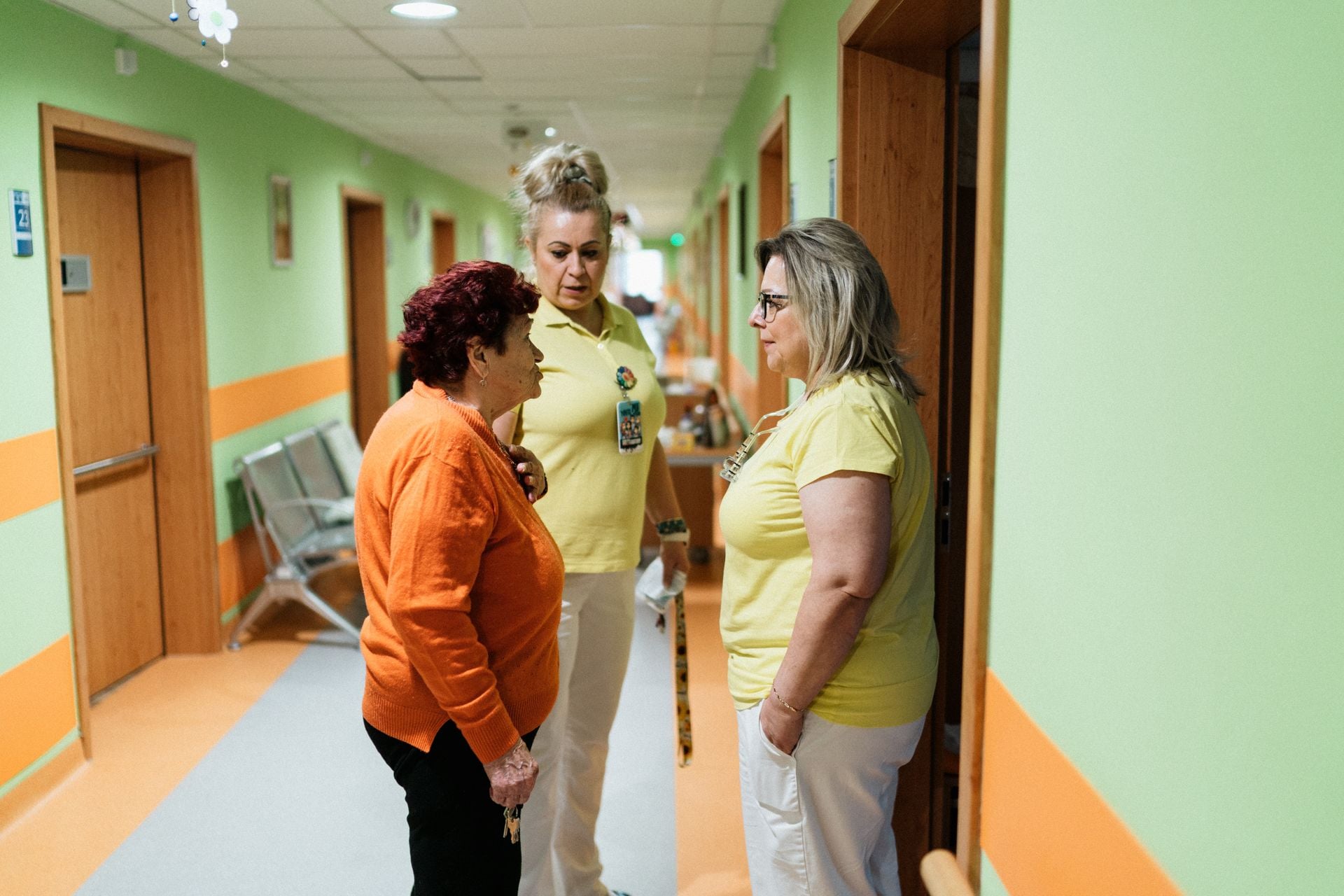
Atlanta families often place loved ones in nursing homes with the expectation that trained staff will provide attentive, consistent care. When that care is inadequate, the earliest signs may not be obvious, and small changes in a resident’s appearance, behavior, or daily routine can indicate a larger problem. Recognizing these warning signs is especially important for families who may not be present every day and need reliable ways to understand what their loved one is experiencing. Careful documentation can preserve details that might otherwise be forgotten, while photographs, medical records, staff communications, and dated observations can help establish what occurred over time.
A nursing home neglect lawyer in Atlanta can help families understand which evidence may be important and whether the circumstances warrant further legal action. By paying close attention to changes and recording concerns promptly, families can take informed steps to protect a vulnerable resident and address suspected neglect before additional harm occurs.


1. Watch for Physical Warning Signs
Inspect the resident’s skin, clothing, bedding, and room during each visit. Pressure injuries, rashes, bruises, soiled garments, strong odors, or unchanged bedding require prompt questions.
Weight loss, dry mouth, cracked lips, dark urine, or repeated requests for water can indicate inadequate food or fluids. Unexplained weakness, dizziness, or confusion also requires medical attention. Along with this, if you suspect any wrong medication dosage, you must take into account the drugs administered.
Watch for untreated wounds, recurring infections, constipation, falls, or medication changes without a clear explanation. Compare these observations with the resident’s care plan and discharge instructions.
2. Notice Behavioral Changes
Changes in mood can provide evidence when a resident cannot clearly describe what happened. Nursing neglect in the USA is more common than you think. Fear around certain employees, unusual silence, agitation, sleep disruption, or refusal to receive visitors deserves careful documentation.
Ask open-ended questions without suggesting an answer. A resident might describe missed meals, rough handling, isolation, painful treatment, or fear of retaliation.
Pay attention to sudden financial concerns, missing belongings, unexplained purchases, or changes in account activity. These signs can indicate financial exploitation rather than ordinary forgetfulness.
3. Record Each Incident Precisely
Write each entry as soon as possible after an observation or conversation. Include the date, time, location, people present, visible conditions, symptoms, and the resident’s exact words.
Use objective descriptions instead of conclusions. Write, “The resident had dried food on the gown and no meal tray,” rather than, “Staff ignored the resident.”
Take photographs of visible injuries, damaged property, room conditions, and soiled clothing when permitted. Store the original files securely, and avoid editing images or changing their timestamps.
4. Preserve Supporting Records
Request copies of care plans, medication administration records, incident reports, meal charts, weight logs, and treatment notes. Medical records can show whether staff reported symptoms or delayed necessary treatment.
Keep a separate log of every call, visit, email, and meeting. Record each employee’s name, the response received, and any promised action.
Save receipts for medical treatment, transportation, supplies, replacement property, and other expenses. These records connect the neglect to measurable financial harm.
5. Report Immediate Danger
Call 911 when a resident faces immediate danger, severe injury, breathing problems, serious bleeding, or another medical emergency. Request a medical evaluation, and keep the resulting paperwork.
Report suspected neglect to the facility administrator and the appropriate state adult protective services agency. Each report should include specific observations, dates, witnesses, and supporting documents.
Ask facility management for a written response. If staff restrict communication, refuse records, or punish a resident after a complaint, document each event and report it promptly.
6. Connect Neglect to Legal Harm
A negligence claim generally requires proof of a duty of care, a breach, causation, and damages. Nursing homes and their employees owe residents reasonable care under the resident’s care arrangements.
Records should show what care the resident needed, what staff failed to do, and how that failure caused injury or financial loss. Medical opinions often help connect neglect with infections, falls, pressure injuries, malnutrition, or worsening illness.
Potentially responsible parties can include individual employees, facility operators, contractors, or other entities. An attorney can review the records, identify responsible parties, and explain filing deadlines.
Conclusion
Prompt documentation gives a family more than a collection of concerns. It creates a dated record connecting symptoms, care failures, staff responses, and resulting expenses. Families should photograph visible injuries, request medical evaluations, preserve facility records, and report immediate danger without delay. If the facility does not correct the problem, the family should discuss the evidence with a qualified attorney and ask about available claims, filing deadlines, and steps that protect the resident.
