
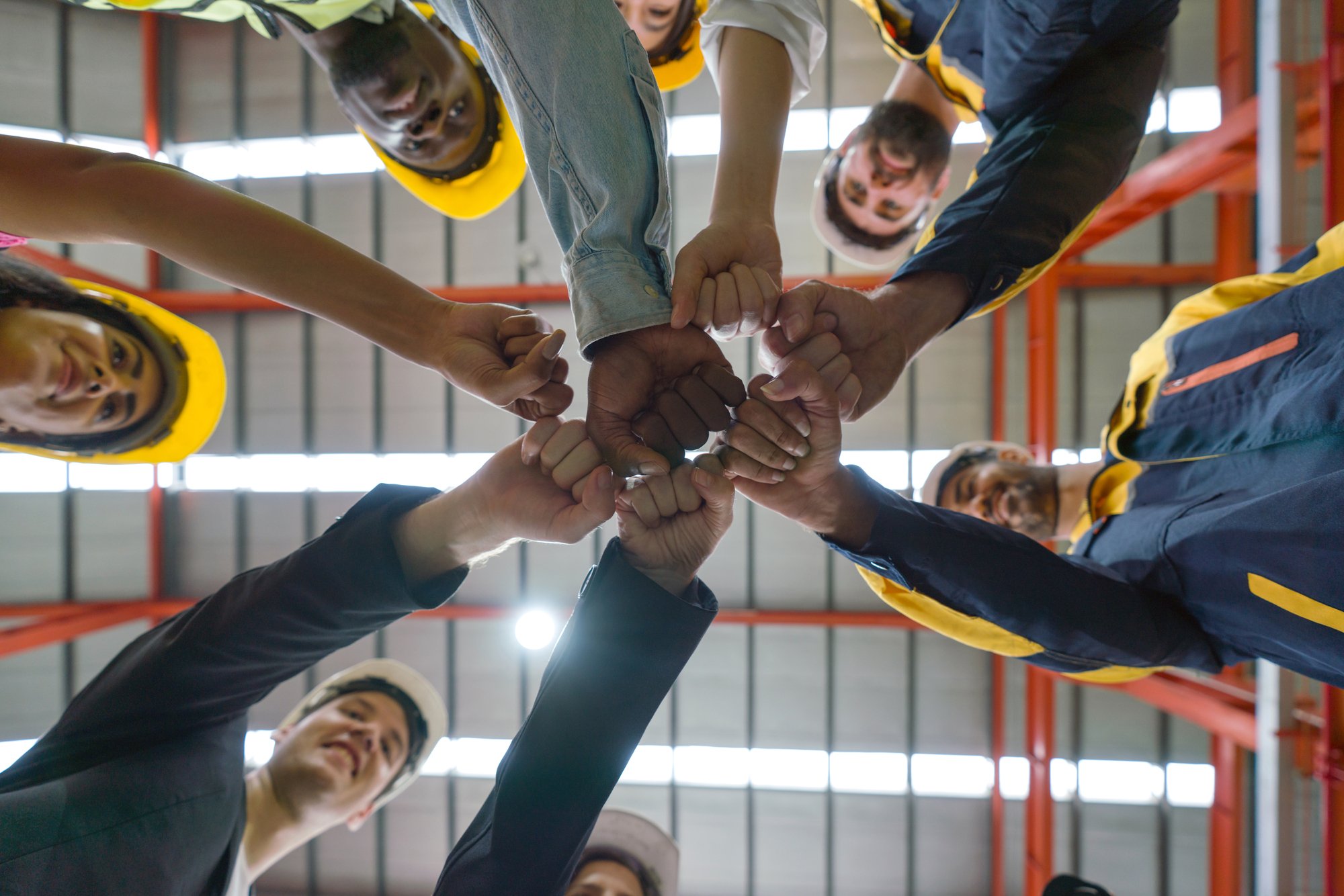
Creating a workplace culture of health and safety is a strategic necessity for companies employing workers across generational lines. Every employee, from baby boomers to Gen Z, brings unique strengths and vulnerabilities. Failing to address these distinctions can result in preventable injuries, lower productivity, and legal exposure.
Creating a workplace where every employee feels safe and supported is simply a good practice, and it helps keep morale high and retains quality employees. When workers know their well-being matters, trust grows, and compliance with legal requirements becomes second nature. Whether you’re running a business, managing a human resource (HR) department, or working in employment law, it’s necessary to create health and safety measures that work for employees of all ages.
This article shares practical ways to build an environment that protects your team, supports different generations, and meets your legal and ethical responsibilities.

Adapting Safety Protocols for All Employees
Safety protocols should account for employees’ physical, cognitive, and emotional needs at every stage of life. Start by evaluating workplace hazards from multiple generational perspectives. Accessibility, clarity, and relevance are instrumental in this process.
One critical element of an inclusive safety plan is the installation and accessibility of automated external defibrillators (AEDs). Ensuring preparedness for cardiac events in the workplace means that AEDs are present in offices and staff are trained to use them.
Emergency preparedness drills should be performed regularly, clearly communicated, and structured to include all levels of mobility and learning styles. Training materials must be easy to follow, and multilingual options can help increase accessibility. Consider involving employees in role-playing exercises or tabletop drills to foster engagement and reduce anxiety around emergencies.
Making space for employee feedback during training helps keep safety practices grounded in real-world experience. Casual check-ins, group conversations, and peer input can all provide valuable insights into what’s working and what needs improvement. When people know their voices matter, they’re much more likely to take ownership of safety and look out for one another.
Technology also plays a big role in adapting safety protocols, especially for teams working different shifts in various locations or remotely. Keeping safety information in one easy-to-access place, like an internal site or company app, helps ensure everyone stays in the loop and on track.
Addressing the Needs of an Aging Workforce
As employees grow older, their safety needs evolve. Diminished strength, slower reaction times, and chronic conditions can increase the risk of workplace incidents. Employers should proactively evaluate how job functions and environments can be adjusted to support older workers.
Simple measures like installing ergonomic equipment, offering anti-fatigue mats, or encouraging microbreaks throughout the day can reduce physical strain. Where possible, allow schedule flexibility so employees can avoid long shifts or perform physically demanding tasks during cooler, less stressful parts of the day. Also, invite seasoned employees to participate in safety planning. Their insights, drawn from years of experience, can improve protocols while reinforcing their value within the company.
Support for older employees can go beyond physical accommodations and include mentorship opportunities. Teaming up experienced workers with younger staff encourages collaboration between generations and helps pass along valuable knowledge. This kind of connection keeps safety practices consistent and builds a stronger, more unified team.
Industry-Specific Safety Concerns
Every industry presents different risks, and safety planning must reflect those realities. Factors such as work environment, task repetition, physical demands, and exposure to hazardous materials vary widely from one field to another. Recognizing these nuances allows employers to create more targeted and effective safety programs that align with the specific risks their employees face.
Construction
Physical labor in construction demands a focus on injury prevention. Employers must evaluate how current processes may disadvantage older workers as the workforce ages. Concerns about an aging construction workforce include accommodating physical limitations like fatigue, knowledge loss as older workers retire, and recruitment challenges, all of which can impact performance and employee satisfaction. To accommodate these realities, employers should provide ergonomic tools, adjust expectations for productivity, and promote mentorship.
Healthcare
Healthcare professionals often endure long shifts and high-stress environments. These demands can tax employees across all age groups, particularly older nurses or aides. Strategies like team-based care, rotating duties to reduce repetitive strain, and promoting mental health resources can help maintain a safer and more supportive environment.
Education
In schools, safety protocols must support educators of all generations. Evacuation procedures, classroom safety practices, and violence prevention policies should consider the range of physical abilities and emotional resilience among staff. Teachers nearing retirement age may need accommodations during drills or alternatives for high-risk situations.
Agriculture
Agricultural workers often operate in extreme temperatures and with heavy machinery. These conditions can exacerbate age-related challenges such as dehydration risk or reduced stamina. Safety strategies should include hydration stations, shade structures, and modified workloads that align with workers’ capabilities.
Technology can also play a valuable role in industry-specific safety. Wearable sensors and digital reporting tools can help detect fatigue, monitor environmental hazards, and promote timely intervention. Ensuring these technologies are intuitive and accessible to employees of all ages helps maximize their effectiveness.
Legal Obligations and Age-Inclusive Practices
Compliance with age discrimination laws is non negotiable. Employers must ensure that their health and safety policies treat all employees fairly while acknowledging differences in risk exposure.
Companies should make it part of their regular protocol to review their policies and address workplace age discrimination through inclusivity training and proper skill refresher training. This includes evaluating job descriptions, safety training programs, and wellness initiatives for unintended bias or exclusion.
Workplace safety requirements are also spelled out in regulations that mandate a secure environment for all workers. Businesses must recognize their responsibility to enhance safety, enforce the use of personal protective equipment (PPE), and address age-related accommodations to create a secure working environment. This includes conducting risk assessments, documenting safety procedures, and demonstrating that efforts have been made to inform and protect all staff.
Policies should emphasize ability rather than age, focusing on the specific needs of individuals rather than assumptions based on generational stereotypes.
Incorporating inclusive language in policy documents and training materials can reinforce respect for all employees. Moreover, it’s best to avoid terminology categorizing by age or implying limitations. Instead, use language that empowers individuals and emphasizes shared responsibility for safety.
Creating a Comprehensive Safety Culture
An authentic safety culture means employees feel empowered to identify risks, offer feedback, and take action. Empowerment requires consistent communication, an open-door policy for reporting hazards, and visible accountability from leadership.
Modifying the physical environment can also reflect a culture of inclusion. Installing brighter lighting, using color-coded safety signs, or lowering storage shelves can benefit older and younger employees.
Additionally, review your programs and policies alongside relevant data from sources like the Centers for Disease Control and Prevention (CDC). The CDC’s research on aging workers shows that the percentage of older workers has grown with the aging population, which means businesses must adapt workplace safety measures, accommodations, and training programs to meet the evolving needs of an aging workforce.
Regularly survey your workforce about safety concerns. Anonymous tools can help gather honest feedback that leads to actionable improvements. Then, act on what you learn to show employees that their input matters.
Leadership engagement is also essential in sustaining a safety culture. When leaders prioritize safety during meetings, walk-throughs, and performance evaluations, it sends a clear message that safety is not a secondary concern. Reinforcing safety expectations through recognition programs or incentives can increase participation and accountability.
Conclusion
Workplace health and safety cannot be one-size-fits-all. Businesses that adapt their practices to the needs of a multigenerational workforce position themselves for more tremendous success, both legally and operationally.
Evaluate and tailor safety protocols, invest in age-inclusive equipment and training, and meet legal obligations without making assumptions about age. When employees of all generations feel protected and heard, the result is a more cohesive, engaged, and productive workforce. Implementing these strategies can improve retention, reduce injuries, and build a culture that values longevity, diversity, and collaboration. Employers prioritizing these goals will be better prepared to navigate the evolving workplace landscape confidently and carelessly.