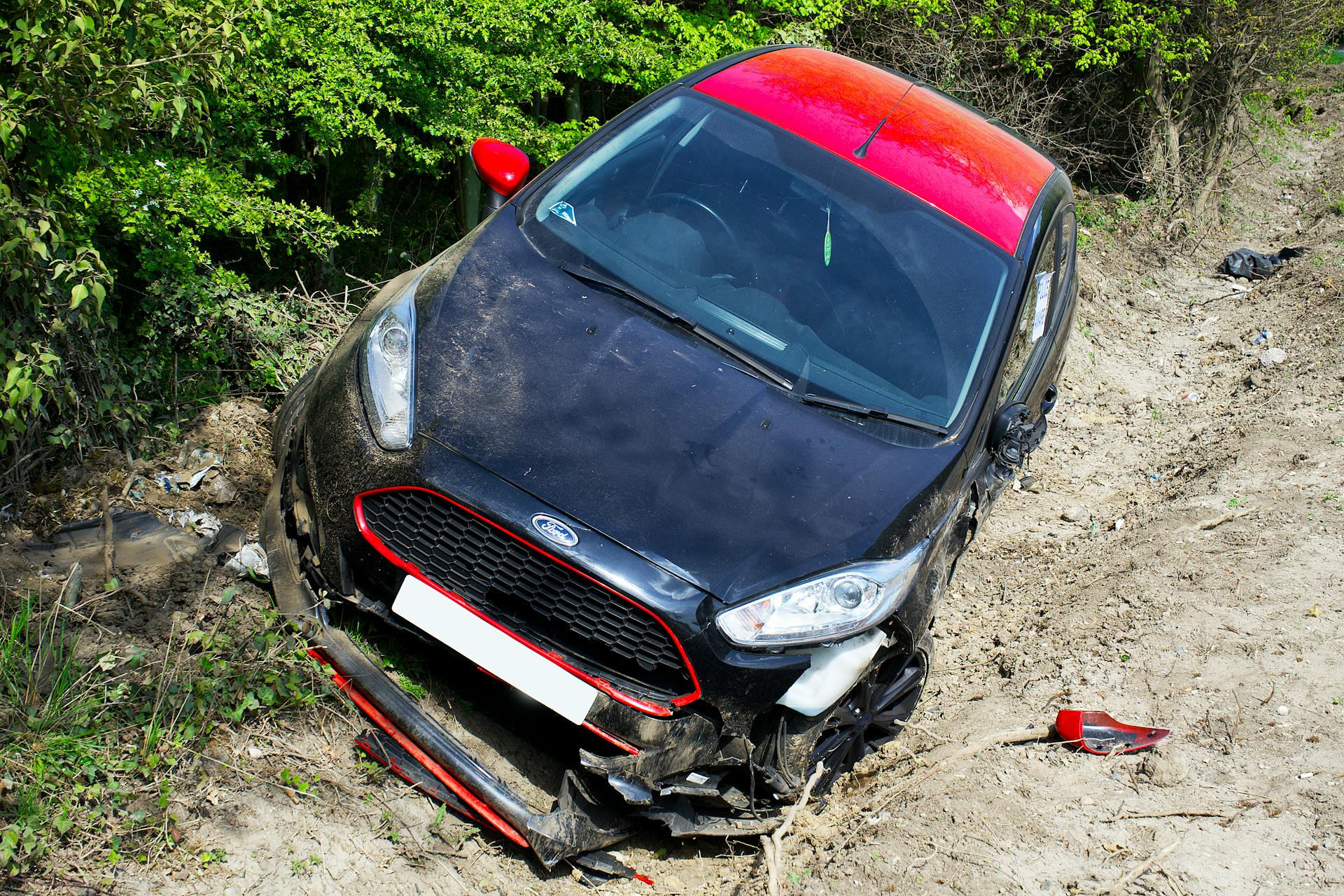
In Michigan, serious vehicle collisions often involve more legal complexity than the initial crash report suggests, especially when commercial vehicles, employer-owned cars, defective equipment, or multiple drivers are involved. Litigation attorneys examine those cases closely because identifying every responsible party can directly affect the financial recovery available for medical treatment, lost income, and long-term care. From reviewing insurance structures to tracing ownership and maintenance records, experienced counsel works to uncover how each contributing factor fits into the larger chain of liability under Michigan injury law.
Related Articles
-
 The Legal Process After a Personal Injury and How to Navigate It
-
 The Losses People Don’t Realize They Can Recover
-
 What to Do After a Serious Car Crash
-
 5 Best Personal Injury Law Firms in Nova Scotia, Canada with Prov…
-
 How a Car Accident Lawyer Helps After a Crash
-
 What to Look for When Choosing a Car Accident Lawyer
-
What Challenges Do Immigrants Face When Filing a Personal Injury…


Starting With the Crash Record
Police reports set the baseline, yet they rarely capture every source of fault. By matching scene images, dispatch logs, tow slips, and officer observations, Hirsch, Gaugier & Khan can test whether another motorist, a fleet owner, a vehicle titleholder, or an outside contractor shares legal blame. Early review also helps preserve video, phone data, and repair history before routine deletion removes useful proof.
Mapping Every Vehicle
Multi-car wrecks often involve a sequence that is easy to misread at first glance. One sport utility vehicle may block visibility, then a second motorist strikes after a late merge. Attorneys study crush patterns, paint transfer, skid marks, and resting positions to place each automobile in order. If a work truck or borrowed car enters that sequence, the defendant’s list may expand quickly.
Looking Past the Drivers
The person holding the wheel is not always the only responsible actor. Ownership can rest with a parent, a leasing company, or a business that has assigned daily use. Lawyers request title records, rental terms, and access logs to separate possession from control. That distinction can decide whether the driver stands alone or whether another party must answer for the loss.
Reading the Insurance Trail
Insurance papers often reveal relationships that the crash report does not show clearly. A commercial endorsement, umbrella layer, or excluded operator clause may shift payment duties and defense obligations. Attorneys read declarations, claim notes, and reservation letters with care. Those documents can show that a household owner, fleet manager, or contractor carried financial responsibility, even without direct contact at the scene.
Preserving Fragile Proof
Why Speed Matters
Evidence disappears faster than many injured people expect. Security footage may loop, damaged parts can be discarded, and employer phones are often reset under ordinary policy. Lawyers send preservation letters right away to carriers, owners, repair shops, and businesses. Fast notice can protect event data, cargo records, maintenance software entries, and camera files needed for later review.
Using Electronic Data
Modern crash cases often turn on timing down to the second. Event recorder downloads, cellular activity, toll entries, and dash footage may show speed, braking force, route choice, and distraction just before impact. Counsel aligns those details with emergency calls and intersection cameras. Once the chronology is tight, weak denials lose credibility, and overlooked actors become easier to identify.
Comparing Witness Accounts
Independent witnesses help test each story against what the roadway shows. One person may see a truck drift across a lane, while another hears a driver mention exhaustion after impact. Attorneys compare those statements against debris fields and vehicle damage rather than treating memory as flawless. Repeated overlap can indicate delivery pressure, unsafe loading, or poor supervision that was hidden in early reports.
Vehicle and Road Defects
Some collisions begin with faulty equipment or unsafe roadway conditions rather than a single poor decision. Thin brake pads, separated tires, failed steering components, missing signs, or blocked sightlines can spread the fault more widely. Lawyers gather inspection reports, service invoices, recall notices, and maintenance logs. If a manufacturer, repair garage, or public agency ignored a known hazard, that entity may be brought into the case.
Following Employment Links
A driver working during the trip can draw an employer into the claim. Delivery schedules, payroll records, dispatch messages, and trip sheets may show the route the company’s business serves at that hour. Attorneys also review hiring files, training material, and earlier safety complaints. Proof of weak screening or pressure to meet unrealistic deadlines can support separate allegations against the business.
Measuring Fault Shares
Many injury claims involve several wrongdoers rather than one clear culprit. Attorneys sort each act by timing, control, and ability to prevent harm, then connect those findings to state fault rules. That framework helps explain why one party bears primary blame while another holds a smaller portion. Clear allocation also improves settlement discussions because each insurer can assess exposure with fewer unanswered questions.
Conclusion
Identifying every liable party requires disciplined review, not guesswork or quick assumptions. Strong litigation counsel moves outward from the crash scene, testing drivers, owners, employers, repair providers, manufacturers, and road agencies against the same factual record. That wider analysis protects injured people from claims that leave too little coverage on the table. When the full chain of responsibility is documented early, fair financial recovery becomes far more realistic.