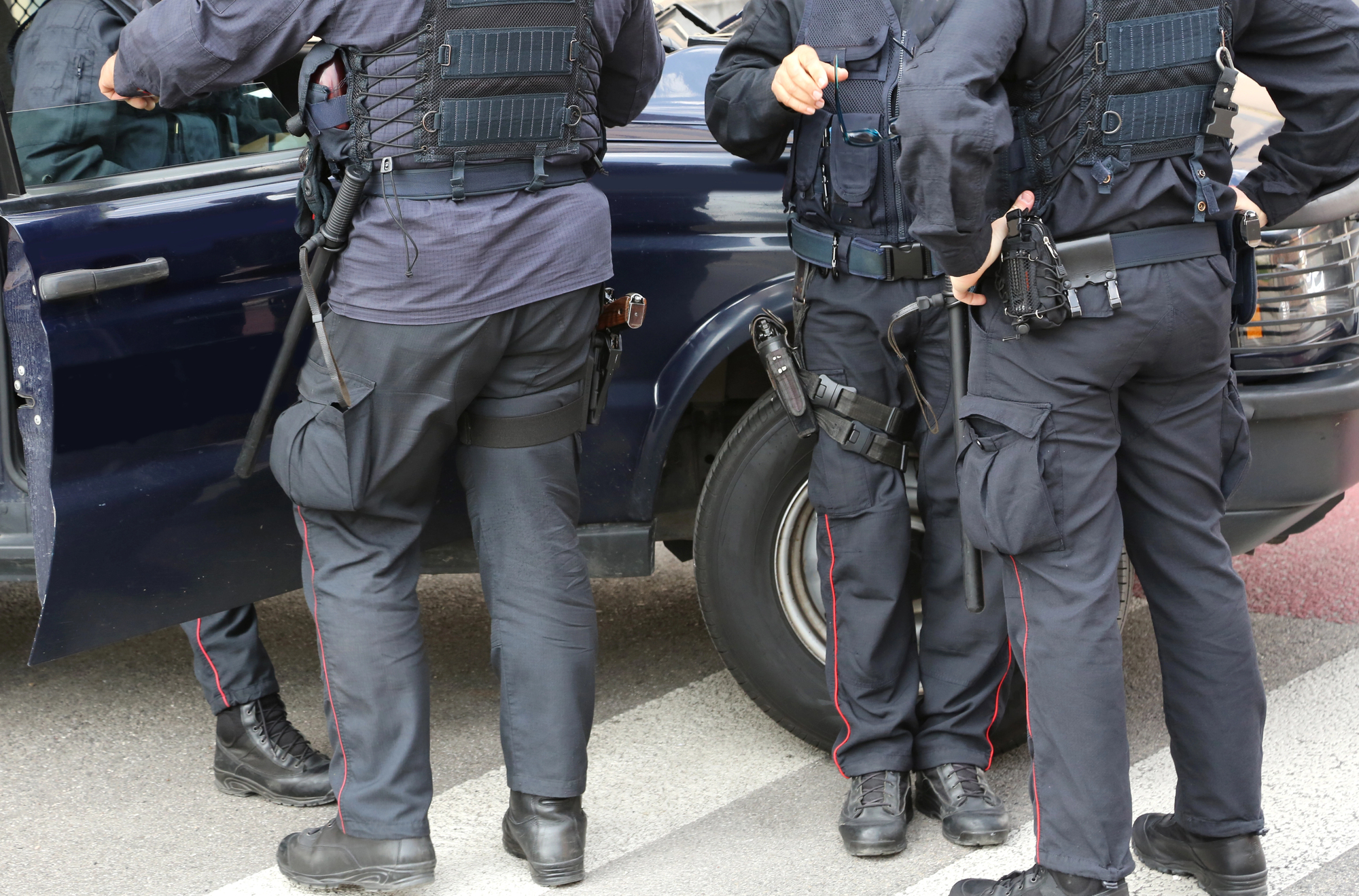
In recent years, interest in tactical gear like plate carriers has grown beyond military and law enforcement circles. Civilians see them used in movies, video games, and even by private security professionals, sparking questions about legality. Can everyday people in the U.S. legally own and wear plate carriers? The answer depends on context, location, and intent.
Related Articles


What Is a Plate Carrier?
A plate carrier is a type of vest designed to hold ballistic plates, providing protection against bullets and other projectiles. Unlike soft body armor, plate carriers typically use rigid plates made of ceramic, steel, or polyethylene. They are used by the military, law enforcement, and sometimes security personnel for added safety in dangerous situations.
Federal Laws on Plate Carriers
At the federal level, there are no laws that prohibit civilians from owning or wearing a plate carrier. U.S. citizens who are legally allowed to own body armor may generally purchase plate carriers online or in stores without restriction.
However, there is one major exception: individuals with a felony conviction are prohibited from owning body armor, including plate carriers, under federal law.
State-Specific Restrictions
While federal law is relatively permissive, state laws can vary. Some states impose additional restrictions on where and how body armor can be worn. For example:
- Connecticut: Purchases must be made in person, not online.
- New York: In 2022, legislation banned the purchase of certain body armor, though exemptions exist for law enforcement and security professionals.
- Louisiana: Body armor cannot be worn on school property.
Understanding local laws is critical before buying or wearing tactical gear.
Who Commonly Uses Plate Carriers Legally?
Plate carriers are not just for soldiers. They’re used by a range of individuals and groups, including:
- Military personnel during active duty and training.
- Law enforcement officers for added protection in high-risk situations.
- Private security professionals who may need extra defense on the job.
- Civilian firearm enthusiasts who wear them during training or shooting sports.
- Preppers and survivalists concerned about personal safety in emergencies.
As long as the wearer is not barred by law (such as having a felony conviction) and is not using the carrier in the commission of a crime, ownership is typically legal.
Misuse and Legal Consequences
While owning a plate carrier is generally legal, using it unlawfully carries serious penalties. For example, wearing body armor during the commission of a violent crime can lead to enhanced sentences in many states.
According to the Bureau of Justice Statistics, nearly 60% of violent felons who used a firearm during a crime received longer sentences under enhanced penalty laws. This highlights how misuse of tactical gear or weapons can escalate legal consequences.
Practical Considerations for Civilians
For civilians considering a plate carrier, legality is only part of the equation. It’s also important to think about context. Wearing tactical gear in public can cause unnecessary alarm or draw attention from law enforcement. Many owners choose to use plate carriers only at shooting ranges, training facilities, or private property.
Final Thoughts
In most of the U.S., civilians can legally own and wear plate carriers, provided they don’t have felony convictions and respect state-specific restrictions. For law enforcement, security professionals, and responsible civilians, plate carriers serve as protective tools. But as with any piece of tactical gear, legality and responsible use go hand in hand.