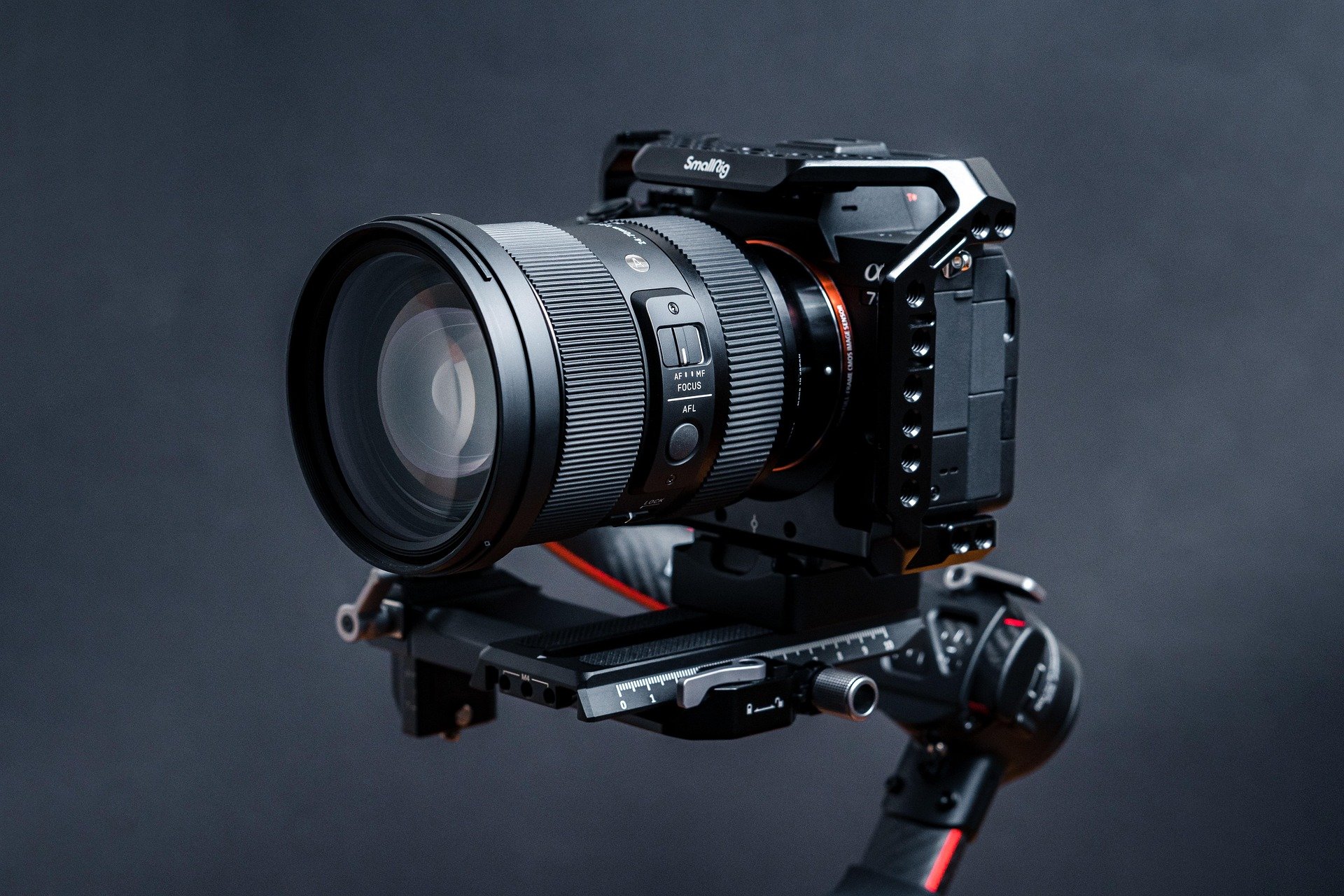
Curious about how to produce video content that converts?
The video production industry is in the midst of a revolution, with more brands jumping into the ring every day. In fact, a recent study revealed that 95% of marketers say video is a vital part of their strategy.
With so many competitors running for the same finish line, it’s no surprise that marketers are turning to technology to create a more engaging, more effective video experience.
Here’s a breakdown of how video production services are using emerging technologies to deliver powerful marketing videos that drive results.
- Why Emerging Technologies Matter For Video Marketing
- AI-Powered Video Production Tools
- Virtual Reality & Augmented Reality In Marketing
- 360-Degree Video Experiences
- Real-Time Video Personalization
- Mobile-First Video Production
- Live Streaming & Interactive Video
- Final Thoughts On Video Production & Marketing Tech
Related Articles
-
 Recruitment Tips for Hiring Managers in Small Business
-
Employment Law: A Guide for New Business Owners
-
The Rise of Small Businesses in High-Growth Industries: A Spotlig…
-
Timeline Expectations for Translating a Full-Length Novel: From F…
-
Florida LLC Filing Requirements: Guide for New Business Owners
-
Legal Considerations for Small Business Owners: Why Insurance is…
-
Top Legal Considerations in Commercial Debt Collection


Why Emerging Technologies Matter For Video Marketing
Let’s start with a few stats…
Video content is projected to account for 82% of all internet traffic in 2025. And right now, more brands than ever have access to technology to produce video content.
So what’s stopping brands from making more high quality video content?
The truth is it’s a lot of work. Good video production isn’t a magic trick. It takes time, planning, and technical expertise.
But don’t panic…
There are tools available now that help bridge the gap between techies and creatives. AI tools automate time-consuming technical tasks. Professional video production services like Synima know how to integrate these technologies into their video production process to deliver high quality video content.
The best part?
Emerging video production technologies don’t just help you look good. They actually help you sell.
AI-Powered Video Production Tools
Ready to get into it?
AI video production tools are now used by 41% of video marketers. It’s only going to increase from here.
Here’s why:
AI tools are an absolute game changer for video production. Here are some of the tasks AI can help you with:
- Automatically generate scripts and storyboards
- Intelligent video editing with auto-cuts and transitions
- Automatic captions and translations in multiple languages
- Upscale footage to 4K resolution
- Noise reduction and audio quality enhancement
Not bad for some lines of code, huh?
Best of all, AI tools are designed to augment human creativity. Video editing software might do the tedious technical work. But ultimately a human brain is responsible for the overall creative direction. The AI in media and entertainment market is projected to grow to almost $100 billion by 2030.
5 Ways To Leverage AI For Video Production
For newbies, it’s best to start small.
Use AI for simple tasks like automatic caption generation or audio cleanup. As you get more familiar with the tech, you can try more advanced features. Balance is key.
Virtual Reality & Augmented Reality In Marketing
VR and AR are no longer just for hardcore tech enthusiasts.
Augmented reality and virtual reality are quickly becoming must-have tools for marketing teams. AR/VR market size is projected to reach over $200 billion by 2030, at a 22% CAGR.
Marketers are already using it for:
VR/AR allows potential customers to experience a product or space in 3D without actually being there. Real estate companies give virtual property tours. Clothing retailers use AR for virtual try-ons.
AR is similar, but adds digital content to an existing environment. Furniture companies allow you to see how a new couch looks in your living room.
The Role Of AR & VR In Video Marketing
Both of these technologies are incredible for video production and marketing.
Virtual and augmented reality videos are inherently more engaging than traditional videos. Viewers feel immersed in the content. They can explore it and interact with it. They remember it.
VR/AR marketing videos aren’t a novelty. They’re a strategy.
360-Degree Video Experiences
Want to go deeper?
360-degree video production lets the viewer control the viewing experience. Instead of a fixed camera, viewers can look around in all directions.
This makes 360 video incredibly engaging for real estate virtual tours, tourism and travel marketing, events, product demos, and behind-the-scenes content.
Tips for making the most of 360 video production:
Don’t use it unless it adds value.
A 360-degree video is going to get abandoned unless there’s something to look at in every direction. Stick to story-driven narrative video when that’s what’s appropriate for the product or service you’re marketing.
For example, tourism boards shoot 360 videos to highlight a city’s appeal. Hotels produce virtual tours of their facilities. Sports teams bring fans onto the field.
Real-Time Video Personalization
Jump in the future…
Real-time personalized videos that adapt based on the viewer. A video that greets the customer by name, shows products they viewed recently, and targets their pain points.
It sounds like a fantasy. But AI tools can now automate the production of thousands of personalized video variants automatically. Each one targeting a different audience segment, product, or individual customer. The results speak for themselves.
Where To Start With Video Personalization
Personalization doesn’t have to be complicated.
Start by adding the viewer’s name or company name into the video. Personalize product recommendations based on browsing history. Tailor the call-to-action based on where the viewer is in the sales cycle.
Mobile-First Video Production
Ready for a surprise?
The vast majority of video consumption takes place on mobile devices. Despite this, many brands still create videos that look best on desktop.
This is a mistake.
Producing mobile-first video content means vertical format, less than 2 minutes in length, large text and graphics, captions so it can be consumed with sound off, and a viewer hook within the first 3 seconds.
The good news is that tech has caught up. Smartphone cameras can now compete with professional equipment. It’s possible to produce broadcast quality video with nothing more than a phone and the right software.
Live Streaming & Interactive Video
Live video has a huge draw…
Live video generates urgency and authenticity that pre-recorded videos just can’t compete with.
36% of marketers are using live streaming video as part of their marketing strategy. Live video use cases include product launches, Q&A sessions, and interactive live demos.
Engagement is off the charts:
Live video viewers watch 10-20x longer than those who watch pre-recorded content. Live viewers also comment, ask questions, and feel like they are part of a unique experience.
Interactive elements take this one step further by engaging the viewer throughout the video. Polls during the live stream, clickable hotspots with more information, and real-time purchase opportunities all convert viewers into buyers.
Final Thoughts On Video Production & Marketing Tech
The video production industry is changing fast.
Technologies that were a few years ago were relegated to sci-fi movies are now accessible to brands of all sizes. AI tools, 360 video cameras, AR/VR platforms, and real-time personalization tools are just a few of the technologies reshaping the future of video production.
The question isn’t “should you use these technologies?”. It’s which of them will have the biggest impact on your marketing campaigns.
The answer to that question is different for every business. The first step is to identify the biggest pain points in your video production strategy. Then search for new technologies that can help you solve those problems.
You don’t need to solve all your pain points at once. Choose 1-2 technologies that seem promising and focus on those. Get really good at using those technologies. Then move on to the others.
The winning brands in 2025 aren’t the ones with the biggest budgets. They are the ones who understand how to best use new technologies to produce more engaging and more effective marketing videos.
Remember:
Video technology should always be in the service of your message. Your goal with any new technology is to connect with more of the right people. These emerging tools just make it easier than ever to do that.