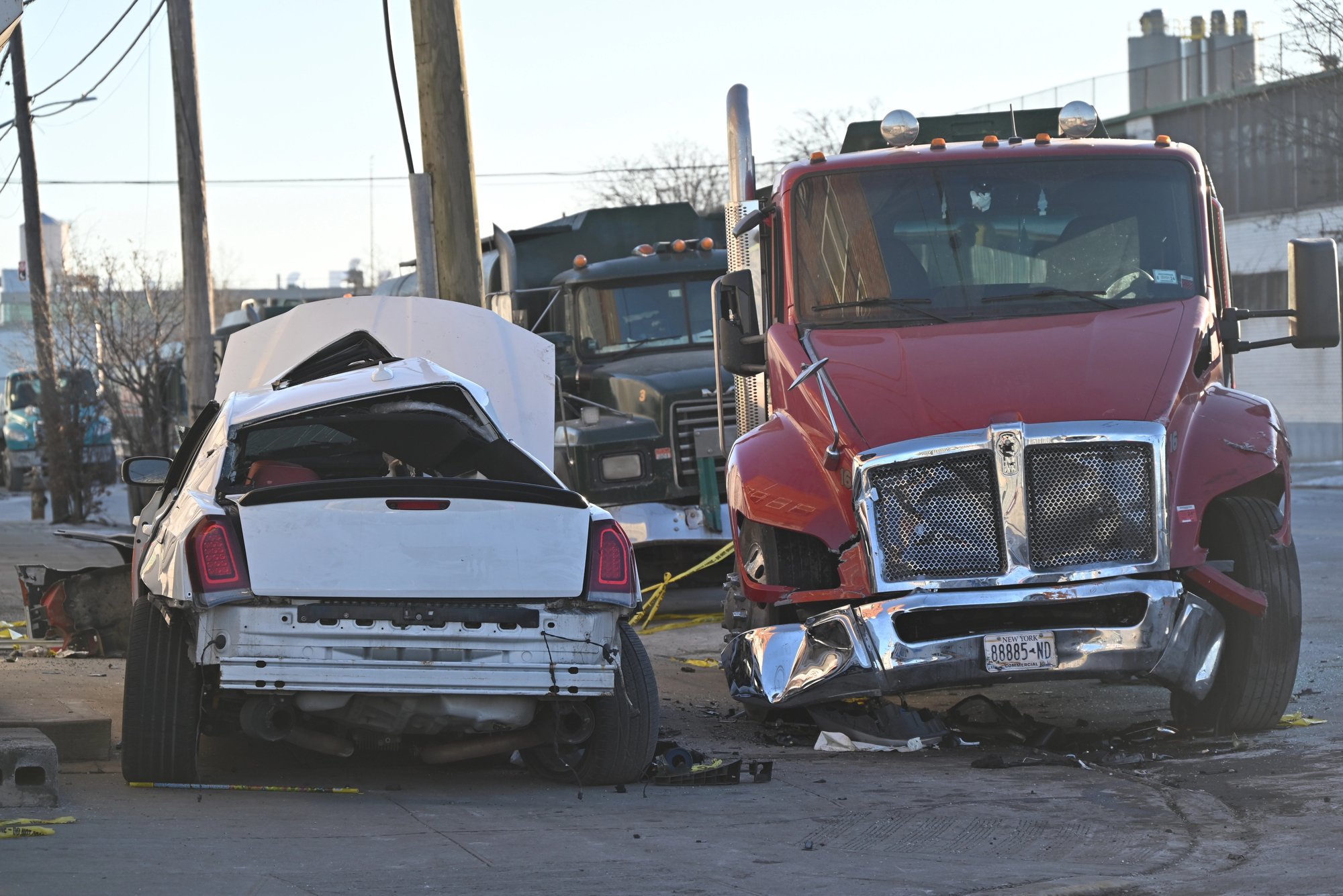
Every year, collisions involving large trucks lead to complex legal situations that affect workers, companies, and entire communities. When such an event occurs during job duties, the process of claiming compensation often becomes confusing. Who is responsible for the damage? How does a victim recover losses while following legal procedures?
Understanding how these cases move through investigation, filing, and resolution helps individuals know what to expect. In Connecticut and other states, victims rely on the law to ensure fair results while focusing on recovery.
This article explores how legal procedures unfold and how professional guidance shapes fair outcomes. It also explains how well-managed settlements support long-term stability. Each successful resolution represents more than justice — it restores both security and confidence in life after an accident.


Legal Basics of Truck Accident Cases
A truck-related claim begins when a commercial or delivery vehicle causes harm during work or transit. These situations often involve multiple parties—drivers, logistics firms, or manufacturers—each potentially sharing liability.
Negligence may include unsafe driving practices, poor maintenance, or failure to follow rest-hour regulations. Federal and state rules outline strict standards for vehicle weight limits, driver training, and operation hours. When those rules are violated, accidents often occur.
Consider a delivery employee who suffers an injury while transporting goods. The employer’s policies, the vehicle’s condition, and the truck operator’s actions all come under review. Understanding this structure helps determine responsibility before the legal steps begin.
Filing Claims with Legal Support
The first step after a truck collision is documenting medical care, collecting accident reports, and securing witness statements. Proper evidence shapes how smoothly the claim proceeds. Many injured workers seek guidance to avoid errors in paperwork or missed deadlines.
For instance, individuals working with experienced truck accident attorneys in Connecticut at GOFF Law GROUP receive step-by-step direction through every stage of the process. Legal professionals handle insurer communication, liability analysis, and damage calculations. This support allows clients to focus on healing while their cases move forward accurately.
Legal assistance ensures that no critical document is overlooked and that every aspect of the situation, including lost wages or future medical care, receives attention. For victims, having representation turns an overwhelming situation into a structured path toward recovery.
Evidence and Investigation Process
Strong evidence often defines the outcome of these cases. Attorneys and investigators work together to gather every available detail about the event. This includes:
- Driver records: showing rest hours or possible fatigue.
- Vehicle inspection reports: proving mechanical failure or poor maintenance.
- Witness statements: offering an independent view of events.
- Video or GPS data: helping recreate the sequence of movement.
Accident reconstruction experts use these materials to identify causes and verify timelines. For example, if a truck’s maintenance logs show missed safety checks, the company may share direct responsibility. The stronger the documentation, the higher the chances of reaching a fair resolution before trial.
Understanding Settlement Stages
After liability becomes clear, attention shifts toward reaching an agreement. Most disputes are resolved through settlements rather than full trials, which saves time and reduces emotional stress. The process usually includes these stages:
- Claim review: evaluating damages and evidence.
- Negotiation: both parties discuss compensation amounts.
- Agreement: once terms are accepted, payments are arranged.
Settlement values depend on medical bills, emotional distress, and future recovery needs. For example, a person with lasting mobility challenges after a crash may require ongoing therapy, increasing total compensation. Throughout this process, open communication between legal teams and clients remains essential to ensure accuracy and fairness.
Protecting Worker Rights
Work-related truck collisions involve more than traffic laws—they often overlap with employment regulations. Employees injured while performing duties may qualify for both workers’ compensation and personal injury settlements, depending on fault.
A few key actions protect their rights:
- Report the incident as soon as possible.
- Keep a record of all discussions with the employer and insurance provider.
- Follow the doctor’s instructions carefully and attend every appointment.
If an employer fails to address the report or pressures an employee to return to work early, that behavior might create additional legal issues. Early awareness and proper guidance ensure the worker’s well-being remains the priority.
Final Thoughts
Truck-related injury claims require careful attention, proper documentation, and professional guidance to achieve fair results. Understanding each stage—from evidence collection to settlement discussions—helps protect the rights of those affected. Legal support ensures balance between recovery and justice. When victims pursue their claims with informed confidence, they not only regain financial stability but also the sense of control needed to rebuild their lives with strength and dignity. Each fair outcome stands as proof that persistence and the right guidance turn even difficult moments into new beginnings.