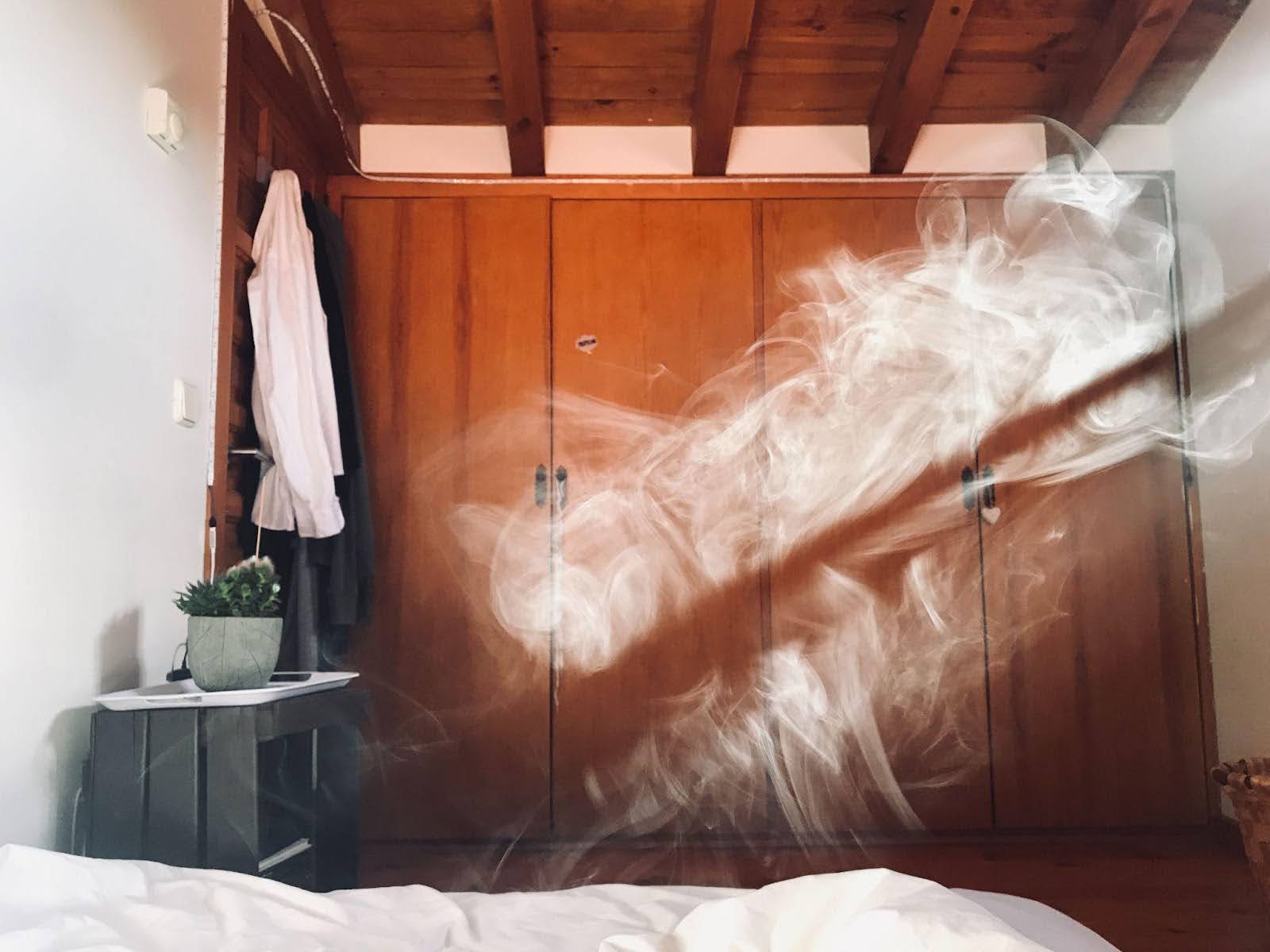
Carbon monoxide is dangerous because you can’t see it or smell it. When it leaks into an apartment or home, people inside may not know until they feel sick. This can happen when a heater, stove, or other appliance breaks down. If the problem happened because of a landlord’s mistake or neglect, you may want to speak with a lawyer for carbon monoxide exposure lawsuit to understand what you can do next.
Related Articles
-
 Can You Sue for a Hostile Work Environment?
-
April 2024: EEOC Lawsuits and Settlements
-
Can You Sue Your Employer if They Don’t Pay Your Commission…
-
Navigating Termination of Employment Due to Family Responsibiliti…
-
How to Prepare for a Catastrophic Injury Claim?
-
How Long Do You Have to File a Car Accident Claim in Texas?


How Exposure Happens in Rental Units
Many carbon monoxide cases start with a broken gas appliance or poor ventilation. A furnace might leak gas through a cracked heat exchanger. A water heater might vent into a small room with no airflow. If the carbon monoxide builds up indoors, people can breathe it in without knowing.
In California and many other states, landlords must install carbon monoxide detectors in most units. If there’s no detector or it isn’t working, the tenant is left at risk.
Get Medical Attention First
If you think you were exposed to carbon monoxide, go to a doctor or hospital. A blood test can show how much gas you inhaled. The results can help guide your treatment and also help explain what happened later.
Ask for a copy of the test results and discharge notes. Save anything the doctor gives you. These records are important. They show the timeline and the link between the exposure and your symptoms.
Document the Conditions in the Unit
Take photos of anything that may have caused the problem. That includes gas heaters, stoves, or wall units. Take a picture of the carbon monoxide detector or the spot where one should be. If you saw rust, broken parts, or missing batteries, include that too.
If someone from the gas company or fire department came out, ask if you can get a copy of their report. Their findings might support your claim.
Let the Landlord Know What Happened
Write a short message to your landlord. Say what happened and what symptoms you had. Include the date and ask what steps they plan to take. Send the message by email or certified mail so you have a record.
Avoid calling or speaking in person without a follow-up message. A written record helps show that the landlord knew about the issue and had a chance to respond.
Contact the City if Repairs Are Ignored
If the landlord doesn’t respond or refuses to take action, contact your local housing or code enforcement office. Many cities have inspectors who can check gas appliances or issue safety notices. Ask for a copy of any inspection report.
In some places, the fire department may inspect gas heaters or confirm the presence of carbon monoxide. Their findings can help build a clearer picture of what happened and why.
Who May Be Responsible
In many cases, the landlord is responsible. If they failed to maintain appliances or install a detector, they may be held liable. If they ignored past complaints, that may also support a claim.
Sometimes, the person who installed or serviced the appliance may be at fault. If a product itself was defective, the manufacturer might also share responsibility.
A lawyer can help you figure out who is involved and what your legal options might be.
What a Claim Might Cover
If you decide to take legal action, the claim may ask for money to cover:
- Medical bills
- Time you missed from work
- Long-term health effects
- Pain or hardship caused by the exposure
Each case is different. What matters is whether the exposure happened because someone failed to do their part and whether it led to actual harm.
Save Everything
Keep copies of every document. That includes medical records, emails with your landlord, photos, inspection reports, and receipts. Write down what happened while the details are still fresh.
If the landlord sends you a notice or tries to evict you after you report the problem, save that too. These records can show how events unfolded and may help your case.
Talk to a Lawyer
A lawyer who works on carbon monoxide cases can look at your documents and explain your options. They can help you understand whether you have a claim, who might be responsible, and how to move forward.
You don’t need to figure it all out right away. A conversation with a lawyer can help you take the next step with more clarity and less pressure.