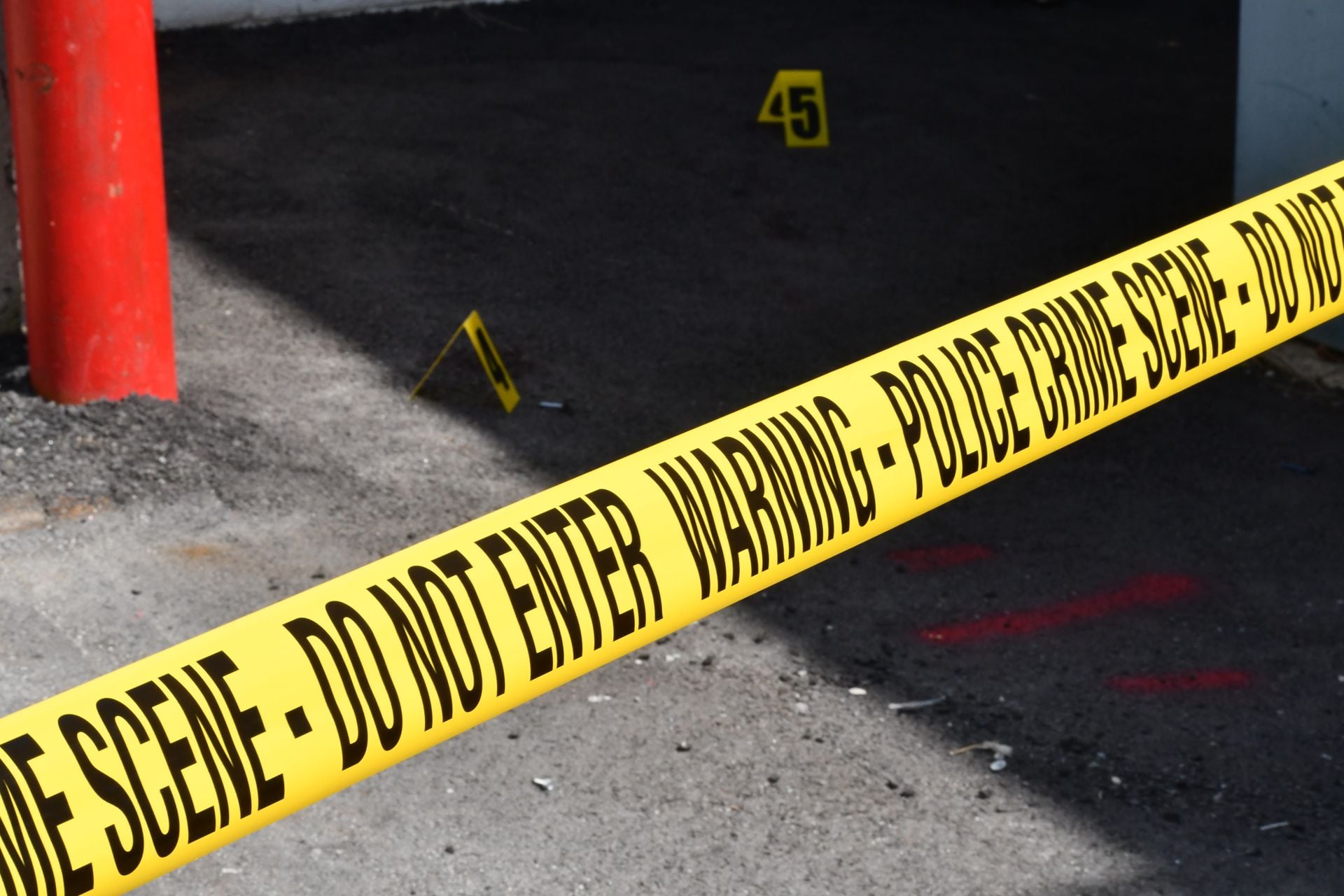
Kirkland is a dynamic community on the eastern shore of Lake Washington, known for its thriving neighborhoods, growing business sector, and close connection to the greater Seattle metropolitan area. As the city continues to expand, residents and visitors alike interact with a wide range of institutions, workplaces, public services, and legal systems that shape everyday life. When criminal allegations arise, however, the stakes can become extraordinarily high, affecting personal freedom, reputation, employment opportunities, and family stability. In many cases, the facts are more complicated than they initially appear, particularly when questions of negligence influence how an event unfolded.
Complex criminal matters often require a careful examination of actions taken by multiple parties, not just the accused individual. Determining whether preventable mistakes, overlooked responsibilities, or procedural failures contributed to the outcome can significantly affect the direction of a case. For individuals seeking answers and a strong defense strategy, a Kirkland criminal defense lawyer may investigate those underlying failures to challenge assumptions, uncover critical evidence, and present a more complete account of what truly occurred.
Related Articles
-
 The Role of Technology in Modern Anti-Money Laundering Services
-
Aggravated Assault Penalties: A Comprehensive Guide
-
What Is Perjury and Why It’s a Serious Offense
-
How DWI Lawyers Defend Clients Facing Serious Charges
-
How Simple Assault Is Defined Under ARS 13-1203
-
Being Charged Is Not the Same as Being Guilty and the Difference…


Duty and Breach
Many cases turn on whether another party ignored a clear duty before the alleged offense. A criminal defense lawyer may study police conduct, property conditions, medical handling, or evidence storage for that reason. If conduct fell below a reasonable standard, counsel can argue that careless behavior, rather than criminal intent, shaped the outcome. Jurors often respond to that practical explanation because it connects fault to everyday judgment.
Building the Timeline
Timing often decides whether negligence can be shown. Attorneys gather dispatch logs, surveillance footage, phone records, and purchase receipts to build a minute-by-minute sequence. That chronology can expose delayed care, broken reporting rules, or missed warnings. Once events are placed in order, jurors can assess whether the final harm resulted from avoidable neglect rather than deliberate conduct by the accused.
Finding the Missing Step
Proof of negligence often depends on one skipped action. Counsel looks for the measure that should have occurred, but never did.
Common examples
Examples may include an officer ignoring a medical complaint, a supervisor leaving a hazard uncorrected, or a technician contaminating a sample. Each omission must connect to policy, training, or ordinary practice. Without that foundation, blame can appear speculative. Defense lawyers, therefore, search for written rules, prior notice, or testimony showing the missing step was expected under normal conditions.
Using Records As Proof
Documents often carry greater weight than memory. Attorneys compare incident reports, internal messages, inspection notes, and lab worksheets for conflict. A revised statement, an absence of a signature, or an unexplained gap may indicate careless handling. Those details help move the discussion away from emotion and back to objective proof. In difficult prosecutions, paper trails often reveal where responsibility actually belongs.
Expert Review Matters
Some negligence issues are too technical for lay witnesses alone. Defense teams may present medical, forensic, or safety experts to explain what competent conduct is required under similar conditions. A strong expert does more than criticize. That witness shows jurors how accepted practice works, why the failure mattered, and whether the charged event could have occurred without that breakdown.
Witnesses Add Texture
Witness testimony can confirm patterns that records only suggest. A coworker may describe repeated shortcuts. A neighbor may recall earlier complaints. A former employee may explain weak training or ignored risks. These accounts carry value when they match hard evidence. When statements align with dates, messages, or photographs, the defense gains a fuller picture of preventable failure.
Challenging Causation
Negligence alone is rarely enough. Attorneys must also test causation, which is the connection between careless conduct and the charged result. If several forces were operating at once, the state may struggle to prove the accused person’s act was the true source of harm. Defense counsel uses that uncertainty to argue reasonable doubt. In criminal court, that gap can carry great weight.
Police and State Error
Complex cases sometimes involve negligence by investigators or prosecutors. Mishandled evidence, suggestive interviews, or poor chain control can damage reliability. Defense lawyers examine every stage of collection and storage because small mistakes can distort major conclusions. If the state failed to preserve fairness, a court may limit evidence, question credibility, or view the accusation with greater caution.
Framing the Argument
Facts alone do not persuade unless they are organized well. Effective counsel presents negligence in a clear sequence: a duty existed, a breach occurred, warning signs were ignored, and harm followed from a preventable failure. That structure helps jurors process dense material without losing the thread. Simple framing also keeps the prosecution from turning an avoidable event into a story about intent without proof.
Conclusion
Criminal defense attorneys prove negligence by combining legal standards, chronology, records, and expert insight into one coherent account. Their task is to show that others’ careless conduct may explain the event better than a claim of criminal purpose. In hard cases, that argument must remain precise and grounded in proof. When done well, it can reshape how judges and juries evaluate fault, causation, and reasonable doubt from beginning to end.