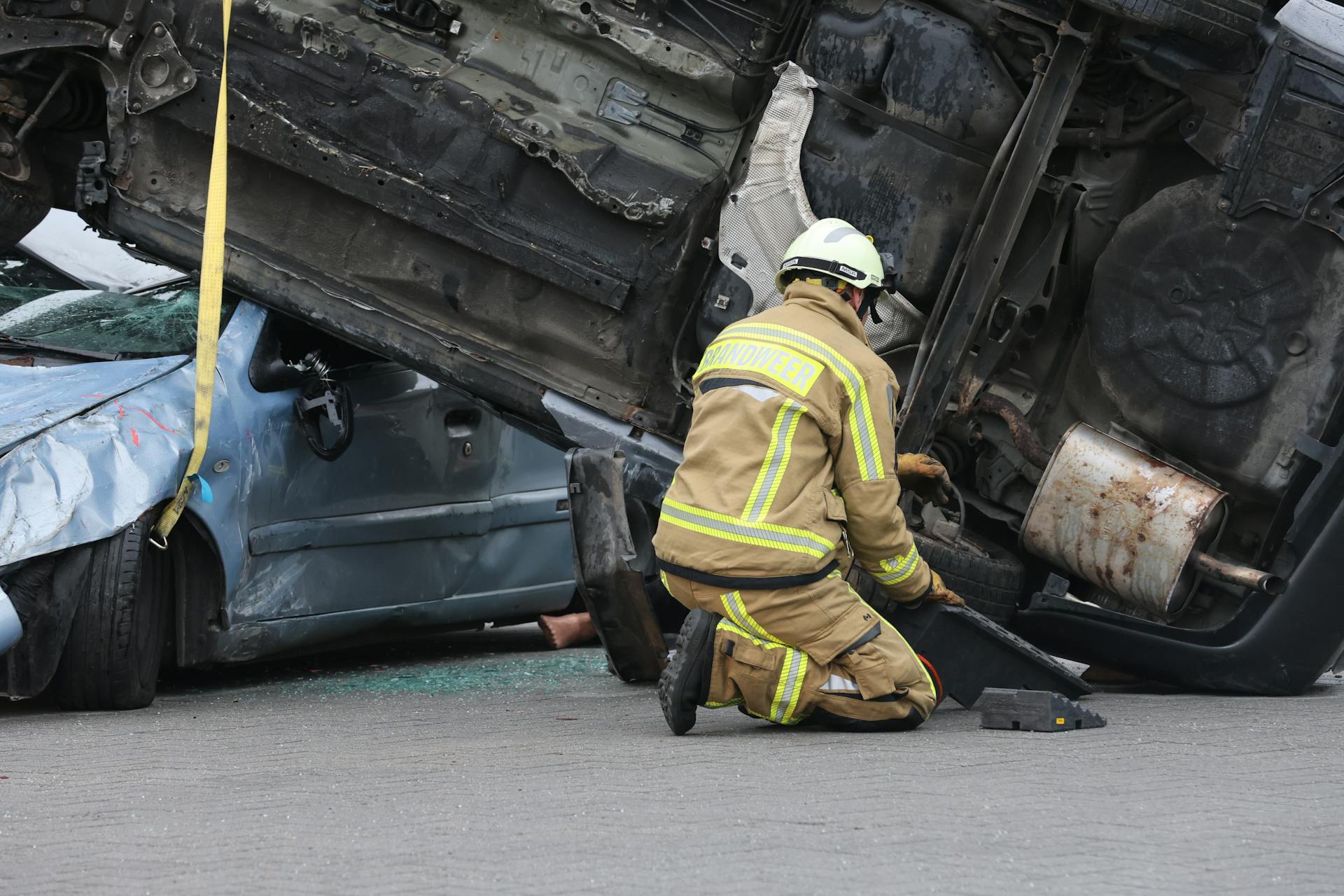
Commercial vehicle accidents in Atlanta can create legal complications that extend far beyond those of a typical traffic collision. Delivery vans, construction trucks, utility vehicles, and corporate fleets move through the city every day, and crashes involving those vehicles often lead to serious injuries, layered insurance disputes, and questions about company responsibility.
Georgia injury law allows injured people to pursue compensation when negligent driving, poor maintenance, or unsafe business practices contribute to a wreck, but these claims usually require fast action and careful investigation. Early legal support can help preserve critical evidence, protect medical documentation, and prevent insurers from shaping the narrative before the full extent of the damage becomes clear.
Related Articles
-
 The Legal Process After a Personal Injury and How to Navigate It
-
 The Losses People Don’t Realize They Can Recover
-
 What to Do After a Serious Car Crash
-
 5 Best Personal Injury Law Firms in Nova Scotia, Canada with Prov…
-
 How a Car Accident Lawyer Helps After a Crash
-
What to Look for When Choosing a Car Accident Lawyer


More Than One Party
Responsibility in a commercial wreck may extend past the person behind the wheel. A company can control routes, service schedules, hiring decisions, or cargo demands. In many cases, attorneys at Van Sant help injured people trace liability through logbooks, maintenance files, employer policies, and insurance records, which often reveal whether several parties contributed to the crash or failed to prevent a known safety risk.
Evidence Moves Fast
Important proof can disappear soon after a commercial crash. Electronic route data, inspection reports, dispatch messages, and onboard tracking details may be overwritten if no one acts quickly. Early legal action helps secure those materials before gaps appear. That timing matters because strong documentation can show speed, brake use, driver fatigue, vehicle condition, and other facts that shape fault, claim value, and the overall direction of a case.
Insurance Is Different
Commercial policies often carry higher limits, yet larger coverage usually brings harder resistance. Claims teams may seek quick statements, narrow the injury picture, or argue that treatment was excessive. A lawyer reviews every policy layer and handles those contacts with care. That support helps prevent an injured person from accepting a low offer before future therapy, reduced earning capacity, and daily physical restrictions are fully measured.
Injuries Can Cost More
A company truck or delivery van can transfer far greater force during impact than a passenger sedan. That difference raises the chance of brain injury, spinal disc damage, rib fractures, internal bleeding, and lasting joint dysfunction. Bills are only one part of the loss. Recovery may also involve rehabilitation sessions, sleep disruption, reduced mobility, work absence, and pain that affects concentration, family routines, and emotional stability.
Rules Matter
Business Duties
Commercial drivers and fleet owners may be subject to screening standards, maintenance duties, training rules, and service-hour limits that do not apply in a routine crash. When a business skips inspections or pressures employees to meet unsafe deadlines, those facts can carry real legal weight. A lawyer knows where those failures appear in records and how to connect them to negligent conduct in a clear, persuasive way.
Statements Carry Risk
After a wreck, injured people are often asked to speak before symptoms are fully assessed. Pain, shock, or medication can affect memory and word choice. A recorded statement given too soon may later be used to question treatment, fault, or the timing of symptoms. Legal counsel creates distance between the claimant and the insurer, thereby lowering pressure and reducing the risk of a damaging misstep.
Timing Affects Recovery
Most injury claims are weakened by delay long before any filing deadline expires. Witness memory fades, damaged vehicles are repaired, and electronic data may be lost through routine retention practices. Prompt legal work allows a fuller investigation while facts remain fresh. It also gives physicians, imaging records, and other documentation time to show how the collision affected movement, function, pain levels, and long-term health needs.
Settlement Needs Full Math
A proper settlement review requires more than adding current invoices. Future surgery, physical therapy, prescription costs, work loss, and reduced job options may substantially affect the value of a claim. Pain also affects sleep, parenting, household tasks, and normal activity. In commercial cases, several policies may apply at once, so a lawyer builds a damages analysis that reflects the full scope of the injury rather than a rushed estimate.
Conclusion
An injury lawyer is often essential after a commercial vehicle crash because these claims involve heavier evidence demands, broader liability questions, and stronger insurer pushback. Business records, safety rules, and layered coverage can alter the outcome in ways injured people may not expect. Early legal guidance helps preserve evidence, identify all responsible parties, and calculate medical, financial, and functional losses with care, thereby supporting a fairer path to recovery.